Bear captured in Utsunomiya after record wave of attacks in Japan
A 100-kilogram bear was captured in downtown Utsunomiya after more than 20 sightings, as Japan confronts record bear attacks and expanding urban encounters.
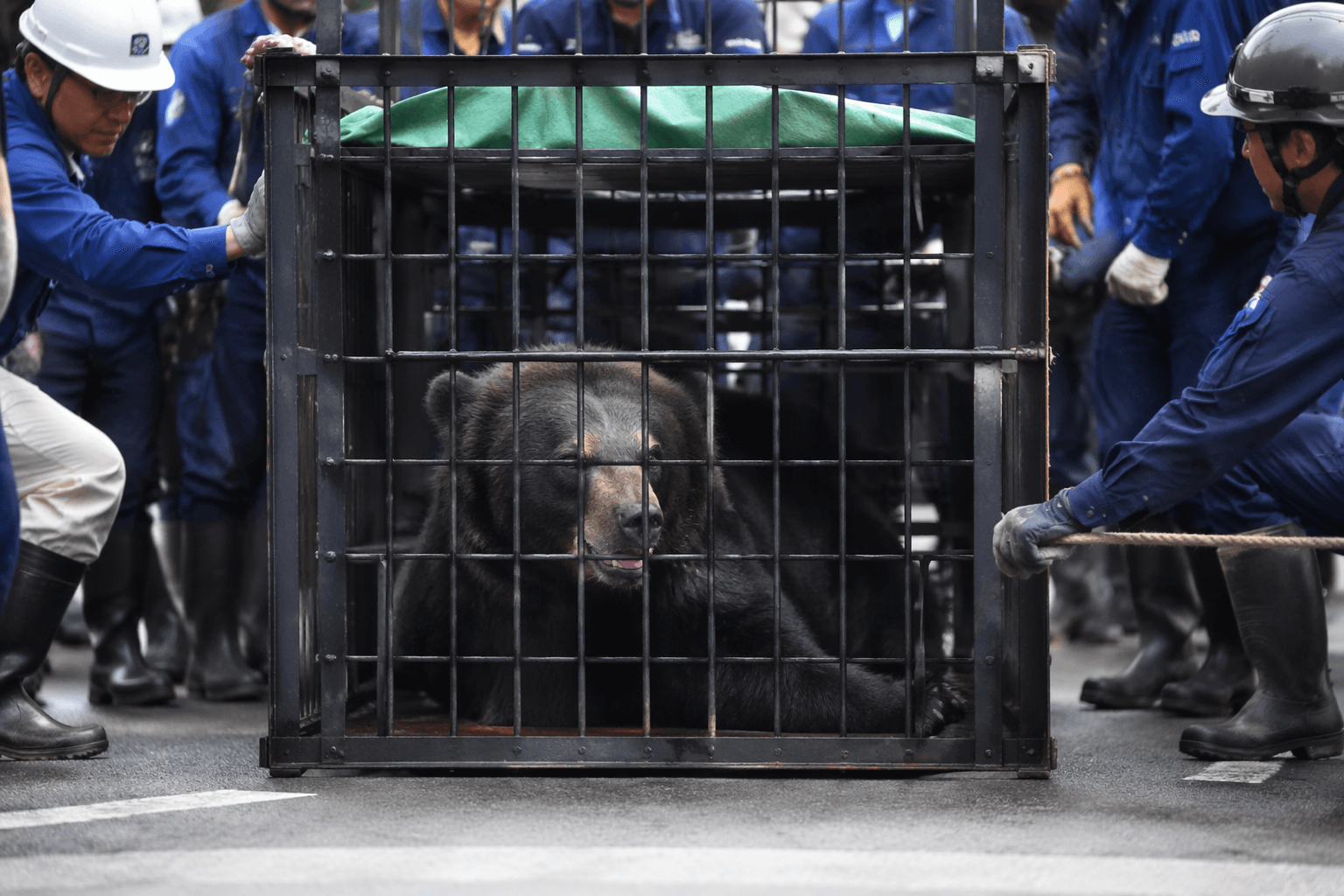
A bear that triggered more than 20 sightings in downtown Utsunomiya was captured on the grounds of a private residence after hunters fired a tranquilizer dart and police moved in with local hunters’ association members and other responders. The animal, estimated to weigh about 100 kilograms, had kept residents on alert for days as it moved through one of Tochigi Prefecture’s busiest urban areas.
Utsunomiya city officials said the bear had been sighted repeatedly since Saturday morning, with reports coming in from near the Tochigi prefectural government office and along Orion Street Mall. The same bear was believed to have been seen on the evening of June 6, the city’s first ursine sighting, and it was last spotted early on June 9 about 700 meters from a university campus. As authorities widened the search, the city closed all 94 of its municipal primary and middle schools for two days.
Police and hunters used drones to track the animal and had prepared box traps and emergency shooting if needed. By the time the bear was captured on June 9, the response had become a test case for how local authorities are adapting as bears increasingly push into Japan’s cities and suburbs.
The Utsunomiya capture landed amid a national surge in encounters that has reached record levels. The Environment Ministry’s preliminary figures showed 50,776 Asian black bear sightings in fiscal 2025, more than double the 20,513 recorded in fiscal 2024. Bear attacks also climbed to a record 238 victims in fiscal 2025, including 13 deaths, underscoring the scale of the public-safety problem now facing local governments across Japan.
Officials have already set up a task force in 2026 to reduce casualties, but experts say the drivers are structural and worsening. Poor acorn and beechnut harvests have left bears with less natural food, while climate change, rural depopulation and abandoned farmland have made it easier for them to move closer to human settlements. In Utsunomiya, the capture ended a tense search; nationally, it added another data point to a crisis that now stretches from mountain edges into the heart of Japanese cities.
This article was produced by Prism’s automated news system from verified source data, official records, and press releases, then run through automated quality and moderation checks before publishing. The system is built and supervised by the people who set the standards it runs under. Read our full AI policy.
Know something we missed? Have a correction or additional information?
Submit a Tip