Beginner Bath Bomb Recipe and Practical Tips for Consistent Results
A clear step by step guide walks DIY makers through a safe, reliable beginner bath bomb recipe, with practical tips to avoid moisture problems, colour bleeding, and weak fizz. The instructions focus on measurement, skin safety, and storage, making them useful for personal projects, classroom demonstrations, and small batch sellers.
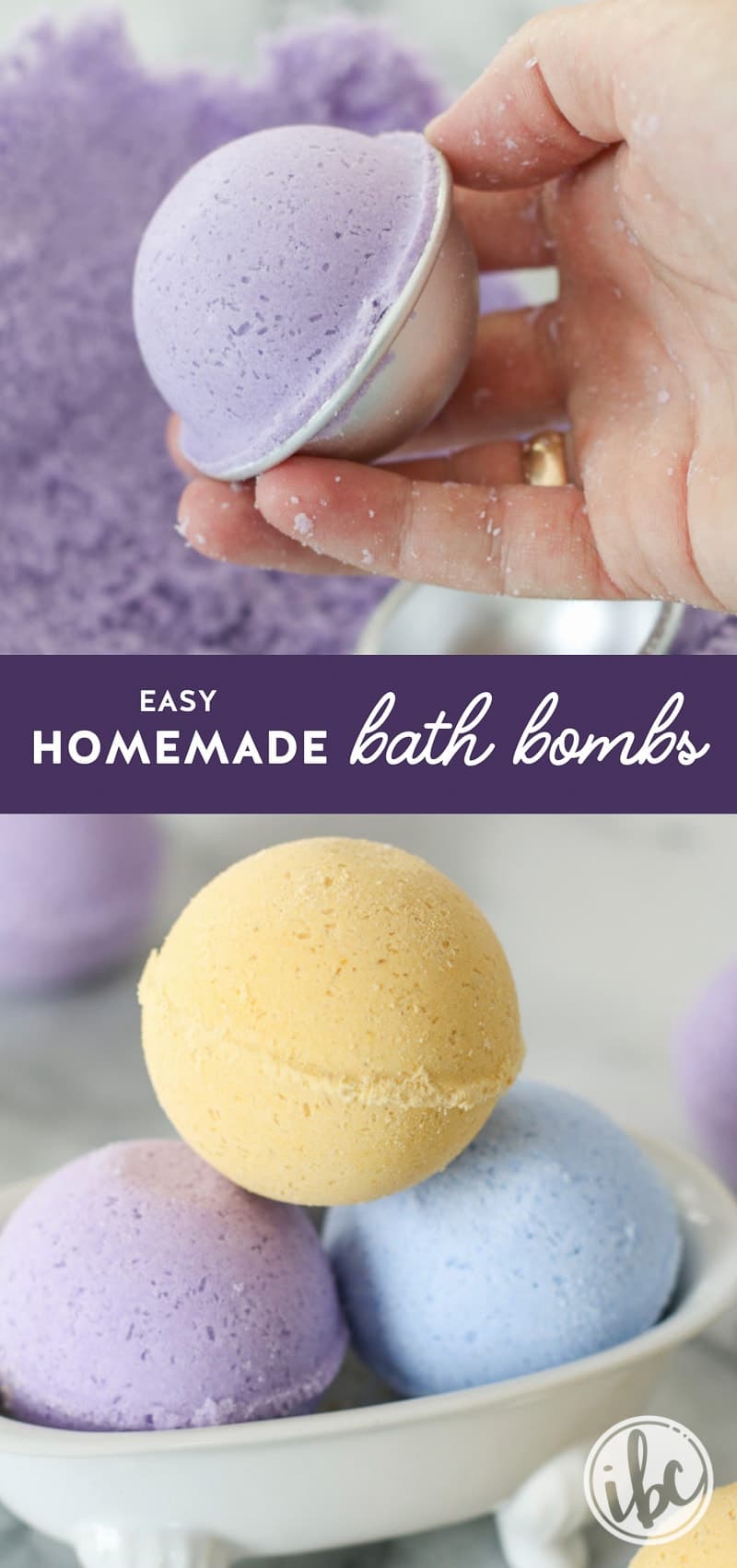
For anyone ready to make their first batch of bath bombs, here is a straightforward, practical method that prioritizes consistency and safety. The basic mix uses sodium bicarbonate, citric acid, and cornstarch or cream of tartar, with Epsom salt or sea salt added if desired. A light carrier oil such as coconut, sweet almond, or fractionated coconut carries fragrance, while a cosmetic grade fragrance or essential oil provides scent. Cosmetic pigments or micas add colour, and optional add ins include dried botanicals and biodegradable glitter. Molds and a dispersant such as polysorbate 80 help with shaping and preventing colour transfer.
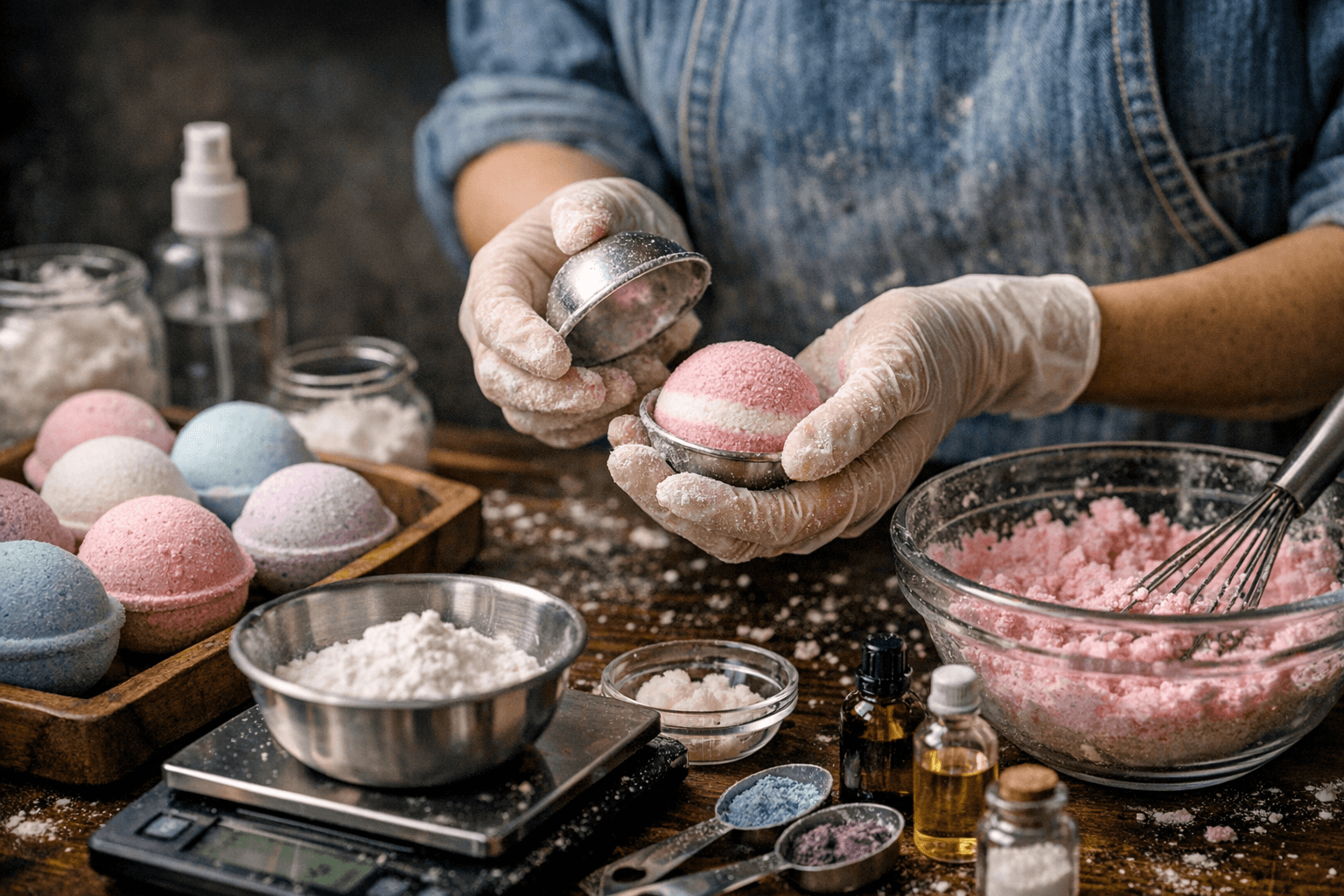
Start by measuring ingredients by weight for consistent results. Thoroughly mix the dry ingredients, and blend oils and fragrance separately. Slowly add the oils while spraying a fine mist of witch hazel as the liquid binder, working in low humidity to avoid premature activation. Stop adding liquid once the mix holds together when squeezed, without fizzing. Pack the mixture firmly into molds, and demold after 24 hours. Allow finished bombs to cure for 24 to 72 hours to achieve the best hardness and fizz performance.
Troubleshooting focuses on moisture control and handling. If bombs are crumbly, add binder very gradually and press harder into molds. If fizzing occurs while mixing, the ingredients are too wet or humidity is too high, so pause and dry the mix before continuing. Use polysorbate 80 if using oil soluble pigments or glitter to reduce tub staining and improve dispersal in bath water. Test a small batch on skin and check for tub staining before selling.
Safety and packaging matter for small scale sales and group projects. Use cosmetic grade pigments and oils, and label allergens such as nut oils clearly. Store finished bombs in a dry, airtight container and label with recommended use and ingredient warnings. These practical steps keep fizz performance reliable, reduce customer complaints, and make bath bomb projects approachable for beginners, classrooms, and small home businesses.
Know something we missed? Have a correction or additional information?
Submit a Tip