Beginner essentials and drills to start playing better ping pong
Clear gear, grips, stance, serve rules and starter drills for new players to practice effectively and avoid common mistakes.
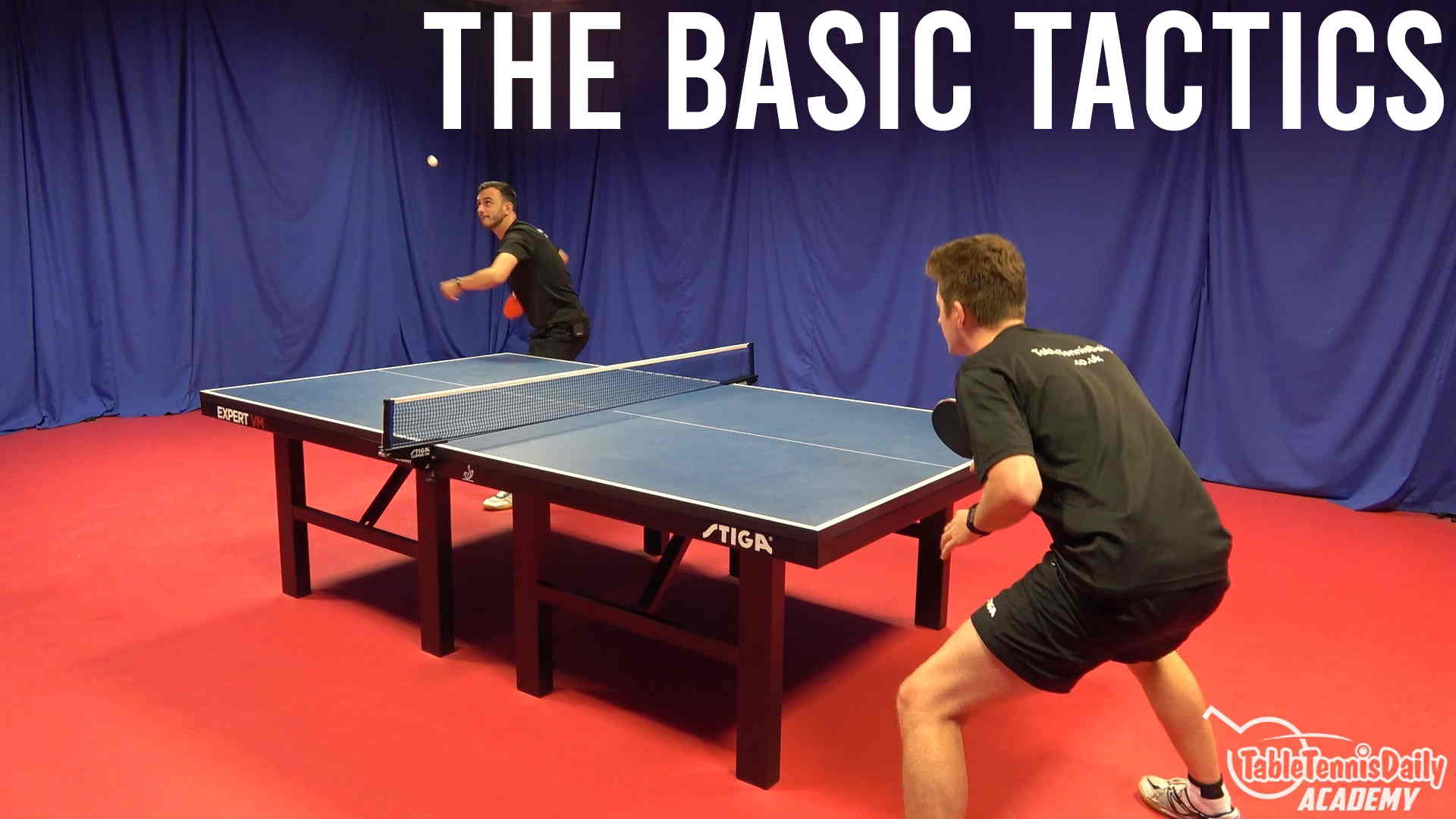
New players can make fast gains by focusing on a few essentials: the right equipment, a reliable grip, basic stance and the four core strokes. Get those locked in first and you’ll avoid the most common beginner traps, especially illegal serves and weak footwork.
Equipment is simple. Use 40 mm balls, a standard table and net, and a paddle or blade fitted with approved rubbers. The paddles in local clubs vary, but beginners should prioritize a clean, well-tensioned rubber that offers decent grip on spin. Grip choices are primarily shakehand and penhold; shakehand is the most common and easiest to learn for players who want balanced forehand and backhand development.
Body position matters from day one. Stand with knees slightly bent, weight light on the feet, and your racket hand relaxed but ready. The four strokes to practice first are forehand drive, backhand drive, push/block, and the serve. These moves form the foundation for rallies and defense; drilling them deliberately will turn awkward returns into playable balls.
Service rules are critical to learn early because illegal serves are a frequent score killer. Toss the ball visibly at least 16 cm, strike it as it falls, and keep the ball visible to your opponent throughout the toss and contact. Practice short-and-long serve placement so you can vary depth while staying legal; many beginners lose easy points simply from improper toss or hidden contact.

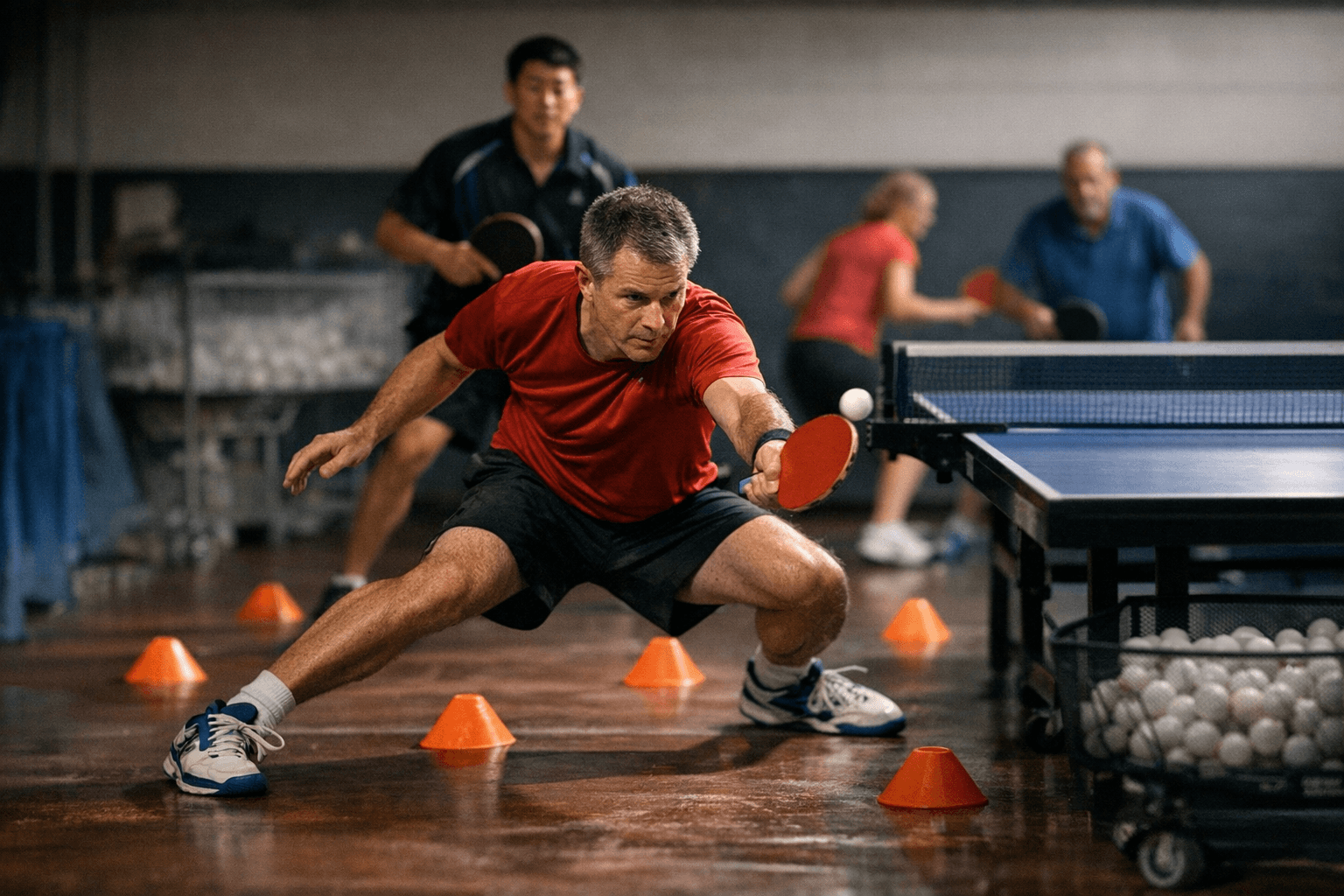
Start your practice with foundational drills that are club- and partner-friendly. Repetitive forehand and backhand drive exchanges with a partner build timing and consistency. Short-and-long serve placement drills teach control and variation. Multi-ball footwork drills force movement patterns that pay dividends in match play. Shadowing and solo stroke shadowing engrain stroke shapes when a partner isn’t available.
For structured progress, blend technical repetition with rhythm and movement: aim for 50-100 serves per practice session, include rhythmed partner drill blocks for consistency, and dedicate focused footwork sets to improve court coverage. Video demonstrations and progressive lesson plans are offered through certified coaching courses and national education modules if you want guided curricula and visual feedback.
This approach gets you off the short side of rallies and onto the scoreboard faster. Our two cents? Spend your early weeks on serves and footwork more than flashy spin, those basics win matches, keep rallies alive and make every club session more fun.
Know something we missed? Have a correction or additional information?
Submit a Tip