Beginner's Guide to Amateur Pickleball: Gear, Rules, and Tips
This guide walks you through everything you need to get on the pickleball court with confidence: the right gear, the core rules, how to start a game, and practical beginner tips to improve quickly. Read on for clear, actionable steps to set up play, serve and score correctly, and find courts and coaching in your area.
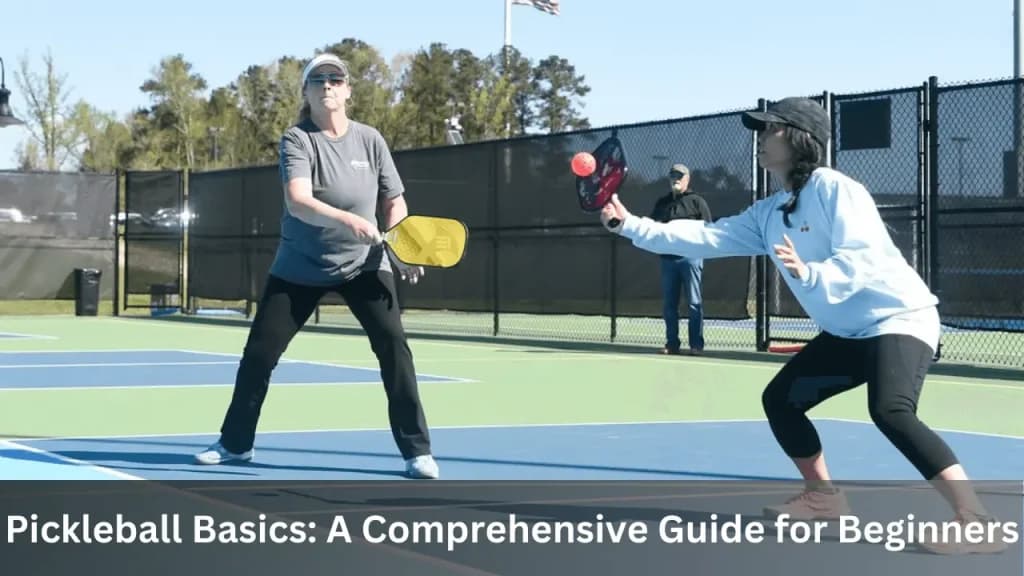
1. Essential equipment you need
Pick a paddle, balls, a net or an available court, and shoes made for court sports. Your paddle and shoes matter most for comfort and injury prevention: look for supportive, non-marking court shoes (tennis or court-specific) and a solid beginner paddle. Most community courts provide nets or permanent setups; if you’re playing at home, a temporary net kit is inexpensive and easy to set up. Bring 2–3 pickleball balls so you can keep play moving when balls get misplaced or scuffed.
2. Paddle size and weight recommendations (starter guidance)
Choose a starter paddle that’s comfortable in weight and surface size so you can learn control before chasing power. For most beginners a midweight paddle gives a good mix of forgiveness and maneuverability; if you prefer quicker wrist play, go slightly lighter; if you want more stability on volleys, choose a bit heavier. Many courts and clubs offer demo or borrowing paddles so you can try a few models before buying, take advantage of this to find the grip size and feel that suit your wrist and playing style.
3. Court setup basics and where to start
When you arrive at a court make sure the net is at regulation height or as close as possible, and clear the baseline and sidelines of debris. If you’re using a community court, follow posted reservation rules and be ready to rotate in if courts are busy. To determine who serves first, use a quick method like a coin flip, rock-paper-scissors, or a home-court convention; agree on it before warmups so there’s no confusion when the game begins.
4. Serving rules and correct positioning
All serves must be underhand, swinging upward from below your waist, and delivered diagonally into the opponent’s service court. Stand behind the baseline when serving and aim for the opposite court’s service box; a legal serve cannot hit the kitchen (non-volley zone) or land out. Before you serve, call the score clearly so opponents know the situation; in doubles, the standard convention is to announce your team score first, then the opponents’ score, and then the server number if you use that format.
5. The two-bounce rule explained
The two-bounce rule means each side must let the ball bounce once after a serve and once after the return of serve before volleying is permitted. Practically, that means the serve bounces, the return bounces, and after those two bounces players may choose to let it bounce or play a volley. This rule slows play and encourages rallies, so use it to work on consistent returns and controlled dinks rather than rushing for big shots.
6. Kitchen (non-volley zone) restrictions
The kitchen is the seven-foot area on both sides of the net where volleying is not allowed; you cannot hit a volley while standing inside this zone. You can enter the kitchen to play a ball that has bounced there, but you must exit before volleying again, momentum rules mean if you step in after a volley and your momentum carries you into the kitchen, you risk a fault. Respecting kitchen rules is one of the fastest ways to avoid needless faults and keep rallies going.
7. Scoring conventions, side-outs, and two servers per side
In standard recreational doubles scoring only the serving team can score points; when the serving side faults, the serve may transfer to the partner or to the opponents depending on where you are in the rotation. Common recreational rules grant two servers per side: when the first server loses a rally, the teammate serves; when both servers have lost their serve turns, the service goes to the other team (a side-out). Because scoring conventions can vary in casual play, agree with your group on how you’ll track serves and points before starting.
8. Diagonal serving and position rotation
Serves must be diagonal, landing in the correct service court; after a point is won and the server remains the same, server typically switches sides based on the score (many groups use even/odd score positioning). After a side-out the receiving team becomes the serving team and players will rotate service positioning accordingly. If you’re unsure how your group handles positioning after points, take a moment to confirm the rotation pattern, clear communication keeps games fair and fast.
- Move to the kitchen after the return of serve, After a safe return, advancing to near the non-volley line allows you to control the net and take away opponents’ angles. Getting to the kitchen puts you in a strong position for dinks and short volleys, which win more points than raw power at the beginner level.
9. Key beginner tips to improve quickly
- Keep your paddle up in ready position, Hold your paddle in front of your chest with the face slightly open so you can react quickly to fast shots. This habit shortens reaction time and reduces the number of awkward, rushed swings that lead to errors.
- Maintain a loose grip for touch shots, A relaxed grip improves feel and control for dinks, drops, and soft placement shots; tighten only momentarily for power shots. A death grip reduces finesse and increases wrist injuries over time.
- Bend knees and get low, Lowering your center of gravity improves balance and makes it easier to handle low balls and quick direction changes. Practice staying on the balls of your feet to improve footwork and readiness.
- Prioritize placement over power, Aim for consistent, well-placed shots to exploit gaps and force errors; powerful shots are lower percentage and often give opponents easy put-aways. Smart placement builds confidence and weakens opponent positioning.
- Avoid low-percentage lobs, Lobs that aim over an opponent who is ready at the kitchen are risky; practice defensive and surprise lobs only when you have good execution. Instead, focus on controlled shots that keep you in position to follow up.
10. Additional resources and ways to connect locally
Use court finders, community parks and recreation departments, and local clubs to locate courts and scheduled play times; many clubs list beginner clinics and drop-in hours. Look for lessons or group clinics at community centers, tennis clubs, and local teaching pros, these structured sessions accelerate fundamentals like serve, dink, and footwork. Join local Facebook groups, Meetup pages, or community boards to find hitting partners, social leagues, and volunteer-run beginner nights that are welcoming and low-pressure.
- Pack a comfortable paddle, at least two balls, and supportive court shoes.
- Reserve or arrive at a public court during posted beginner or open-play hours.
- Agree on who serves first (coin flip or home-court rule) and confirm scoring conventions.
- Warm up with easy rallies and practice a few serves and returns before starting scored play.
- After each game, ask for feedback or request a short drill, most players are happy to share quick tips.
11. Quick start checklist to get on court today
For a full, authoritative rules reference consult official governing body rulebooks so you’re aligned on formal tournament rules. Now grab a paddle, find a local court, and play, pickleball is immediate, social, and fun, and these basics will get you playing confidently from your first rally.
Know something we missed? Have a correction or additional information?
Submit a Tip

