Beginner's Guide to Foil Surfing: Pump, Surf, and E-foil Basics
Learn the basics of pump foil, surf foil, and e‑foil, how to pick a discipline, choose gear, progress through lessons, stay safe, fix common mistakes, and join the local foil community.

Start by picking the path that fits your water, fitness, and how much you want a motor in the mix. Below are three focused guides, pump, surf, and e‑foil, with gear, progression, safety, common blunders, where to learn, and next steps for each discipline.
1. Pump foil basics
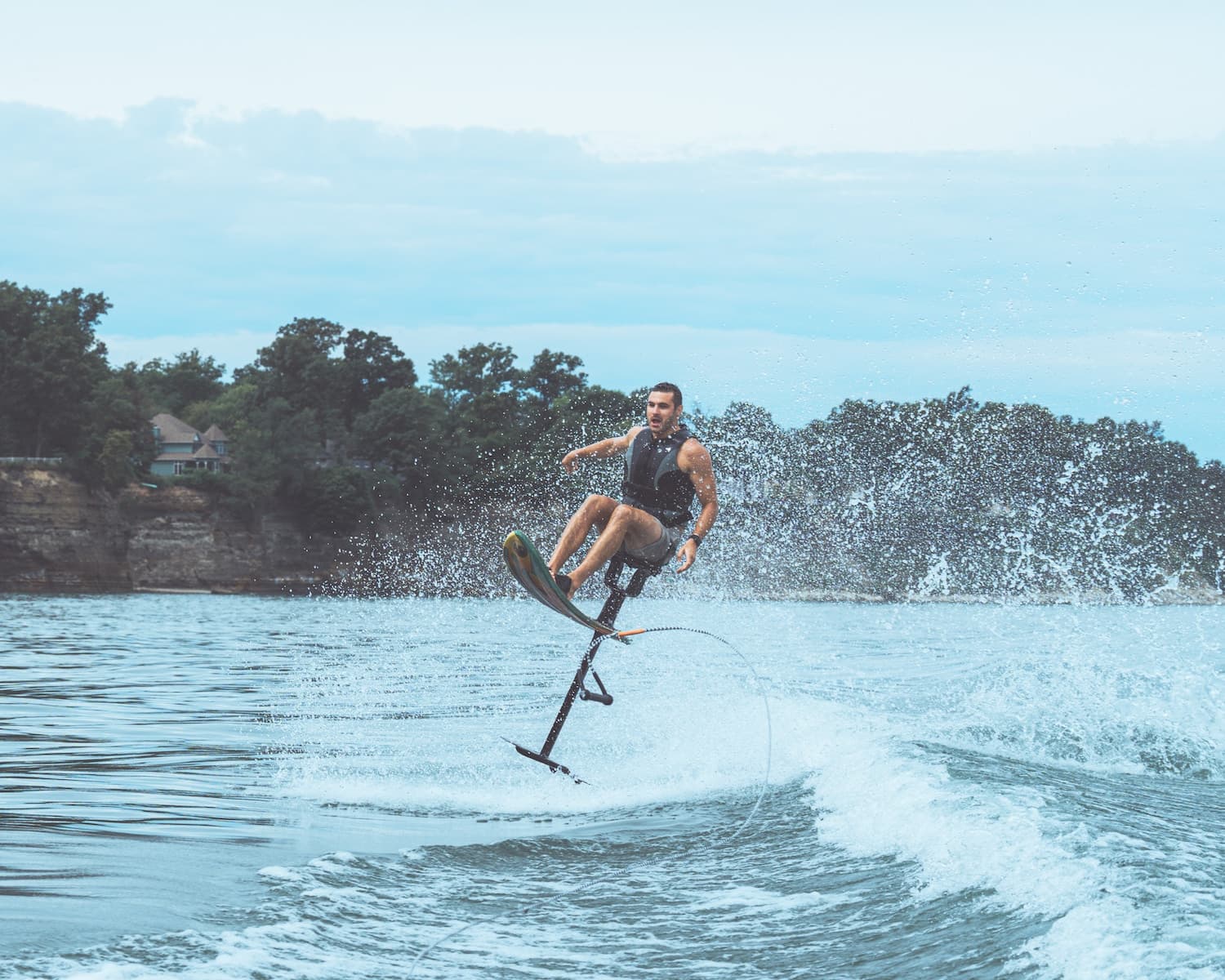
Pump foiling is flatwater pumping to generate lift; it’s ideal for lakes, reservoirs, and fitness-driven sessions where you create speed with your legs and body. Gear-wise, choose a board with higher volume and length for easier flotation and a short mast for better stability while you learn to find trim and weight distribution. Pick a foil with larger wing area so you get earlier lift at lower speeds, this trades off top speed but makes getting airborne much more reliable for beginners.
Lesson progression for pump foil follows a clear, repeatable path: start on land with prone and balance drills to groove the pumping motion, then move to calm, uncrowded water on a big board with a short mast. Use assisted starts (tows or a coach holding the board) until you can hold straight-line pumping and light flights independently; your first solo lifts will be short but teach trim control. Safety essentials include an impact vest or buoyancy aid, a helmet, and the leash type recommended for flatwater pump sessions; always keep distance from swimmers and boats and check local rules for designated foiling zones. Common mistakes are over‑correcting mast height (make small, incremental mast changes), watching your feet (look to the horizon to maintain balance), and confusion over wing sizing, favor a foil with higher surface area early to help get up and stay up. To learn, book lessons with schools that specialize in pump foil or fitness-oriented clinics, practice in designated foiling areas, and join local clubs for shared tips and towing partners. Next steps once comfortable: refine your pumping cadence, practice edge control to carve and generate speed more efficiently, and experiment with slightly lower-drag wings to lengthen flights.
2. Surf foil basics
Surf foiling is about catching waves with a foil under the board and carving into the lift; it’s for riders who want wave-riding dynamics and long, flowing flights. For gear, pick a board with enough volume to catch waves easily but that’s still maneuverable, shorter length as skills progress helps get rail-to-rail. Start learning on a short mast to reduce the leverage and punishments from wipeouts; wing area matters here too: larger wings give forgiving lift and low-speed lift on mushy waves, while smaller wings reward speed and tighter turns.
Lesson progression for surf foil should begin with prone foil balance and land drills, then move to whitewater or mellow waves with an instructor or experienced buddy. Assisted water starts (tows, paddle-assist, or positioning help) accelerate learning; only attempt independent wave-catching when you can control takeoff, trim, and light turns. Follow safety basics: wear an impact vest or buoyancy aid and a helmet, use the leash type appropriate for surf foiling, and maintain a safe distance from other surfers, right-of-way etiquette matters more because foils fly farther and traverse more of the lineup. Common mistakes include over‑correcting mast height (incremental changes), looking down at your feet instead of the line of the wave, and picking the wrong wing size, start with a forgiving, higher-surface-area wing to learn the timing and trim. Where to learn: choose certified surf-foil instructors, practice in uncrowded lineups or designated foiling areas, and get mentoring from local surfers who understand local wave behavior. Next steps: work on rail control, trimming the board fore and aft for different wave faces, and small carve-to-pump transitions to extend rides along the wave.
3. E‑foil basics
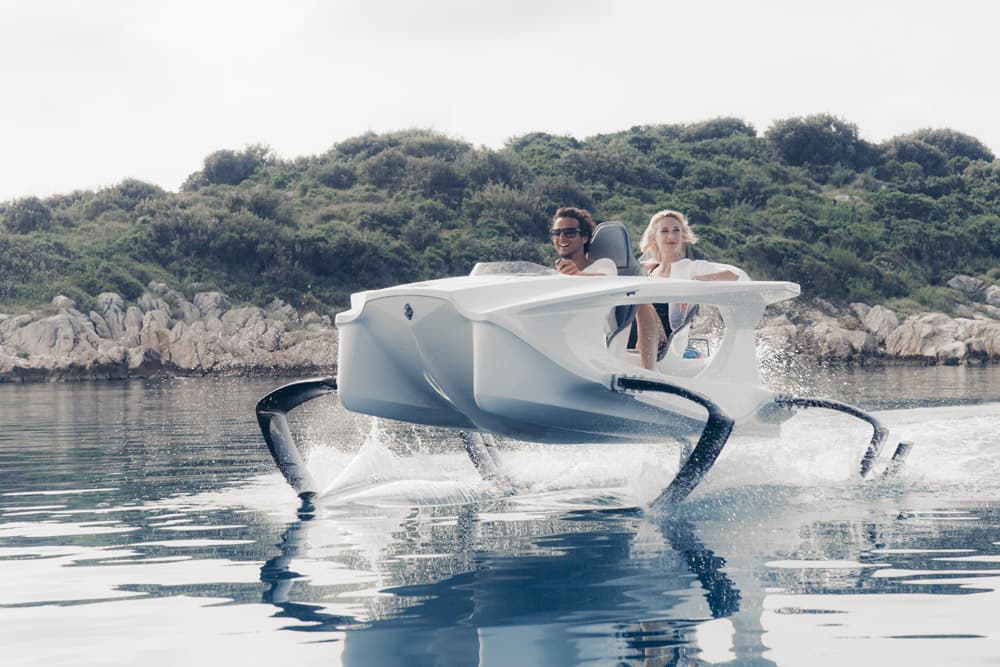
E‑foiling adds an electric motor to assist takeoff and sustain flight, removing the need for waves or long pumping sessions, perfect for riders who want to fly over flatwater with minimal physical setup. Gear decisions focus on board volume for safe flotation, a secure mounting system for the motor, and mast length, start shorter for stability. Wing area choices follow the same tradeoffs: higher area equals earlier lift and easier takeoffs at lower speeds, while smaller wings deliver higher top speeds and quicker turning; fuselage stiffness and weight affect responsiveness and feel, so favor proven setups from reputable manufacturers for first rigs.
Lesson progression for e‑foil emphasizes familiarity with throttle control and powered takeoffs: begin in calm water, run land throttle drills if possible, then attempt low-power rides assisted by an instructor. Practice mounting, controlled powered climbs to lift, and smooth transitions back to neutral so you can feather the throttle for trim. Safety essentials must be stricter: wear an impact vest or buoyancy aid, helmet, and the leash type recommended for e‑foils (and know fail-safe motor cutoffs); keep clear of swimmers and other watercraft and obey local laws regarding electric propulsion. Beginners commonly over‑correct mast height, change in small steps, look down too often instead of focusing on a stable horizon, and confuse wing sizing; an early-season strategy is to choose higher surface area wings to make motor-assisted takeoffs and low-speed flight more forgiving. Learn from certified e‑foil instructors, rent demo units if possible, and plug into local e‑foil user groups to learn battery management and maintenance tips. Next steps include refining throttle finesse, experimenting with trim and foil pitch, and learning efficient turns that combine power and rail control to extend range and ride quality.
Closing practical wisdom Foiling is a progression built on small, repeatable wins: steady gear choices, short mast lengths early on, and wings that prioritize lift over top speed will get you flying sooner. Find qualified instruction, practice in legal, uncrowded spots, respect right‑of‑way, and tap your local club for tips, most progress comes from consistent, focused sessions rather than one big leap. Get comfortable with trim and throttle (if applicable), and you’ll be turning short hops into long, joyful flights before you know it.
Know something we missed? Have a correction or additional information?
Submit a Tip