Beluga whales pass mirror test in first evidence of self-recognition
Four beluga whales faced a mirror at the New York Aquarium, and one adult female appeared to recognize the mark on her body, a rare sign of self-awareness.
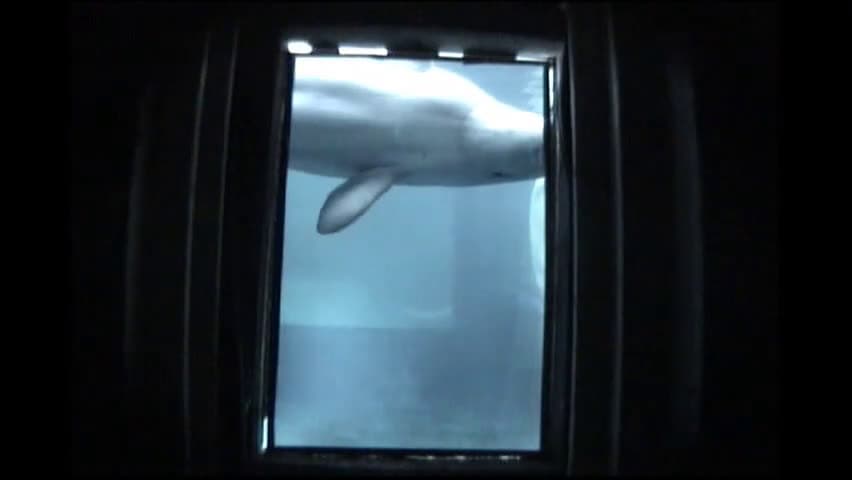
A group of four beluga whales at the New York Aquarium has added a new name to one of animal cognition’s shortest lists. In a study published May 20, 2026, researchers reported that two belugas, including an adult female, showed a rich set of self-directed behaviors in front of a two-way plexiglass mirror, and that the adult female later behaved in ways consistent with recognizing a mark on her own body.
The whales, Kathy, Marina, Natasha and Maris, were housed together at the Wildlife Conservation Society’s New York Aquarium. Three had been captured from the wild, while Maris was born at the aquarium in 1994 to Natasha. The animals were exposed to a mirror and, for comparison, a transparent control surface during baseline and post-mirror sessions. The study’s authors, Alexander Mildener, Diana Buchman, Sonia Ragir and Diana Reiss, said the results provide evidence for mirror self-recognition in beluga whales.
That finding matters because the mirror test has been used for decades as a behavioral measure of visual self-recognition, not as a simple intelligence contest. Psychologist Gordon Gallup Jr. developed the test in 1970, and only a limited set of species have been reported to pass it, including chimpanzees, bonobos, orangutans, gorillas, bottlenose dolphins, Asian elephants, Eurasian magpies and, to some extent, cleaner wrasse. Even so, the test remains contested: it favors animals that rely heavily on vision and may miss forms of self-awareness expressed through sound, touch or other senses.
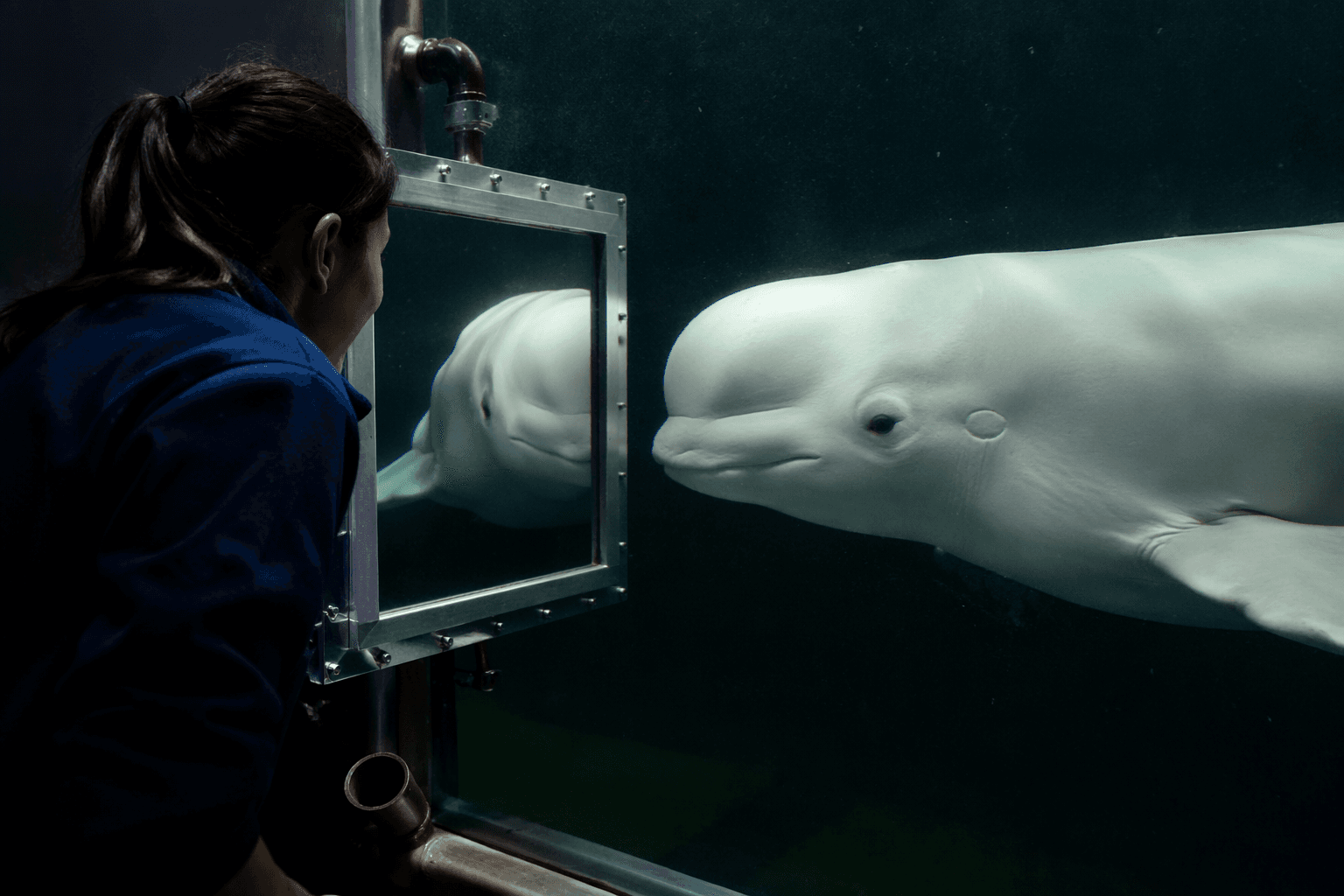
In the beluga study, the strongest self-directed responses came from Maris and Natasha, with behaviors that included neck stretches, bubble bites and barrel rolls while facing the mirror. The adult female also showed mark-directed behavior and passed one of the initial mark tests, the key step that researchers use to separate simple social responses from evidence that an animal is inspecting itself. The paper was received January 12, 2026, accepted April 14, 2026, and published May 20, 2026.
Diana Reiss has spent years pushing mirror-test work beyond the usual primates and great apes. She and a former student first worked with the belugas in 2001, and Alexander Mildener later handled the primary data analysis for his master’s thesis at Hunter College. The long gap between the first observations and the 2026 paper underscores how slowly this field moves, and how careful researchers must be when interpreting behavior from a species as socially complex and vocally sophisticated as a beluga.
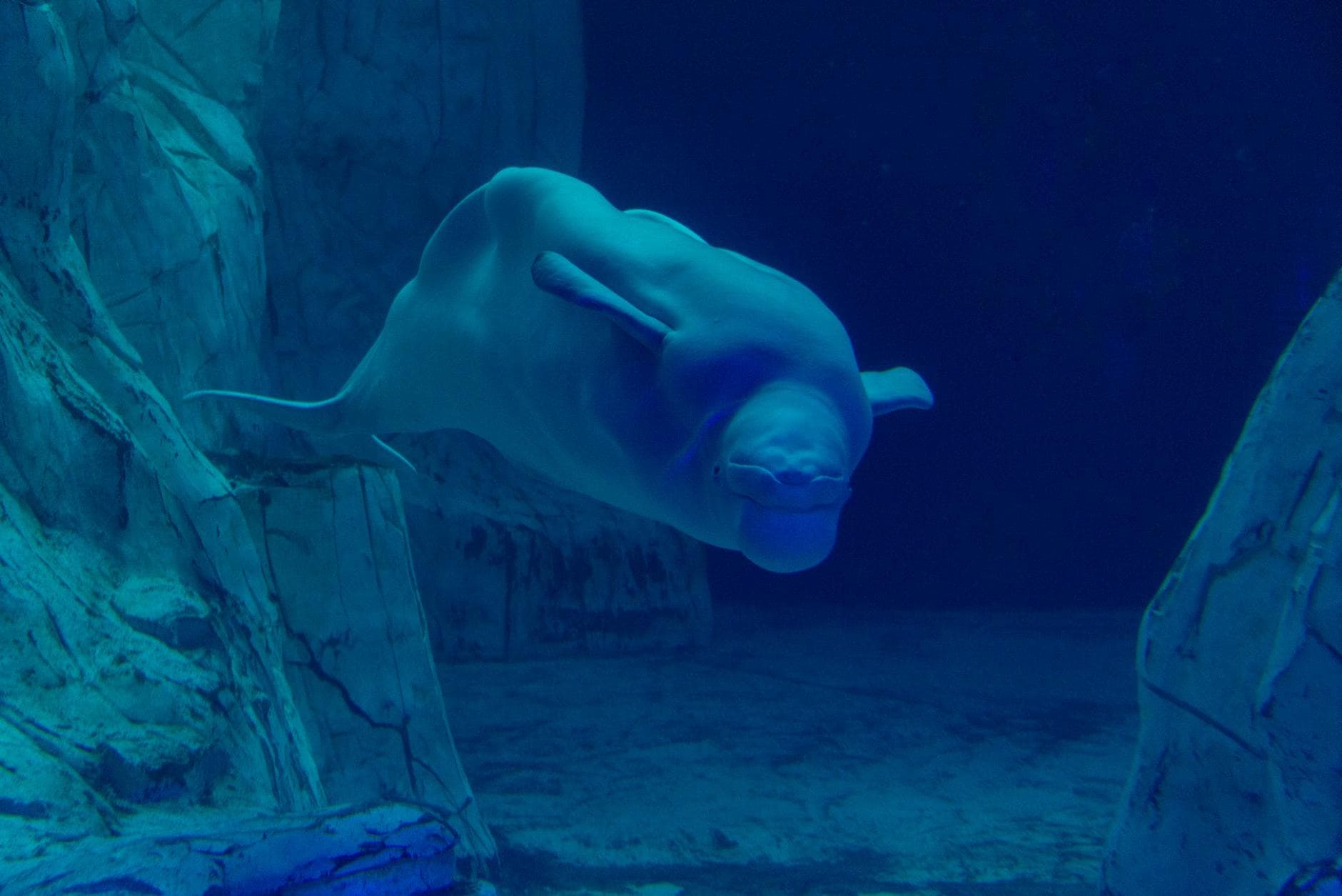
The conservation stakes are part of the story too. Belugas live in Arctic and subarctic waters and remain a focus of concern because of habitat pressure, captivity debates and broader threats to toothed whales. Researchers and conservation advocates say findings like this can widen public empathy for whales whose intelligence has often been measured against human-centered standards. That conversation has also been colored by high-profile animals such as Hvaldimir, the beluga found off Norway in 2019 wearing gear labeled Equipment St. Petersburg, who died in 2024 after a bacterial infection.
Know something we missed? Have a correction or additional information?
Submit a Tip

