Ben Perez Leads Seven Fires Elder Meal Delivering Fresh Fish in Menominee
Ben Perez led a community elder meal called "Seven Fires, One Community," delivering a traditional fresh-fish supper that ties local care to Anishinaabe cultural renewal.
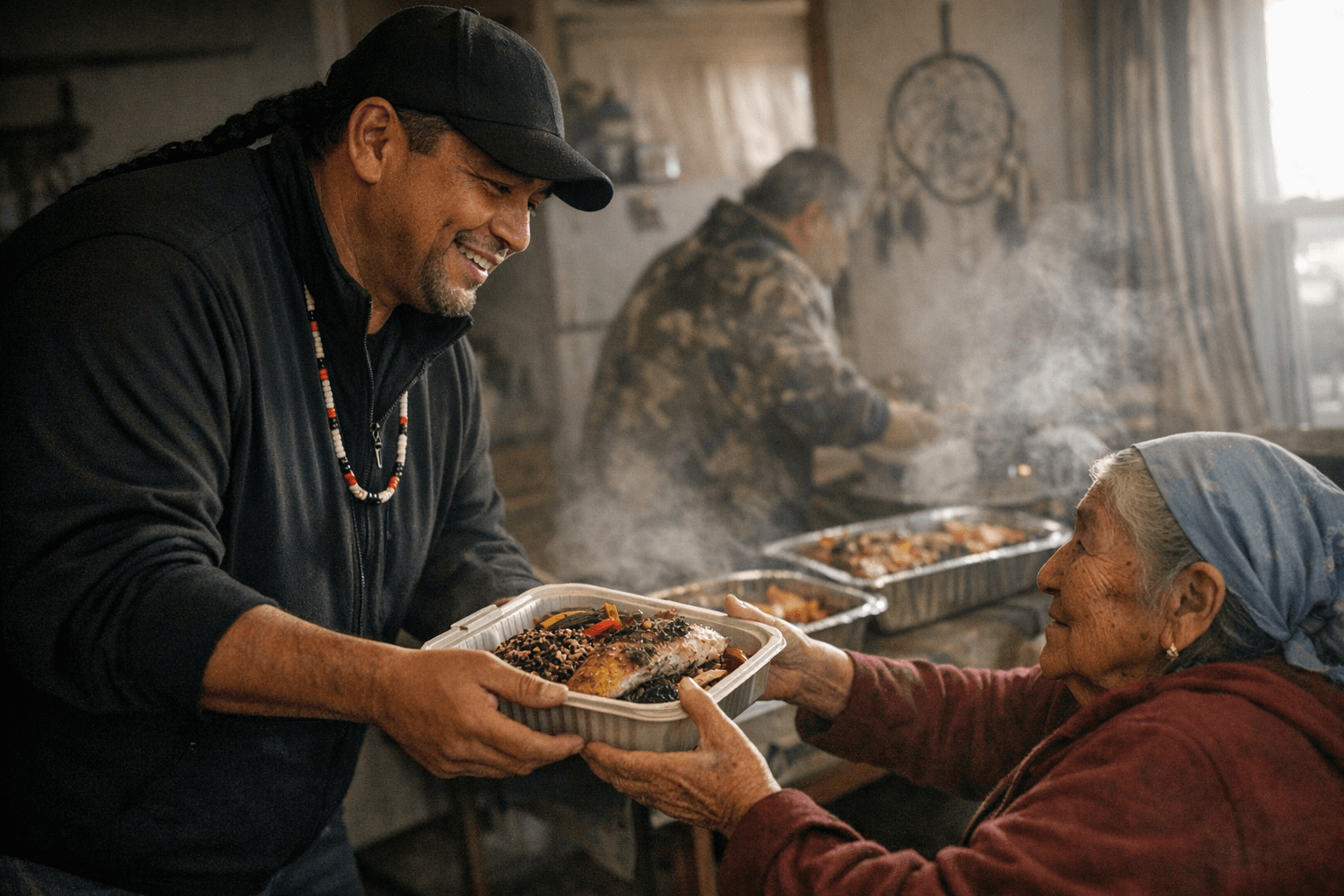
Ben Perez and a group of supporters organized and delivered a traditional meal featuring fresh fish under the banner "Seven Fires, One Community" on February 9, 2026. The effort aimed at serving elders and connecting a practical act of care to a broader movement of cultural revitalization in the region.
Organizers described the meal as intentionally traditional; available notices list fresh fish as a focal element of the menu, but do not supply numbers, the exact site, or detailed logistics. Those omissions leave basic operational questions unanswered, but the event’s title and presentation link the gathering to the Seven Fires prophetic tradition shared across Anishinaabe communities. That connection frames the meal as more than charity: it is also an expression of intergenerational responsibility and cultural continuity.
The Seven Fires tradition carries a layered narrative of loss, preservation and renewal. A Wabanaki account of the Sixth Fire reads, “In the time of the Sixth Fire it will be evident that the promise of the First Fire cam in in a false way. Those deceived by this promise will take their children aways from the teachings of the Elders. Grandsons and granddaughters will turn against the Elders. In this way the Elders will lose their reason for living … they will lose their purpose in life. At this time a new sickness will come among the people. The balance of may people will be disturbed. The cup of life will almost become the cup of grief.” That tradition situates historical policies such as the boarding school era as drivers of language and cultural loss and helps explain why community-led elder care is read today as an act of cultural repair.
Voices from Potawatomi accounts amplify the theme of recovery and symbols that carry community meaning. One Potawatomi source summarized the present belief: “The seventh prophet told of a generation when the Neshnabek language, teachings and culture experienced revival. Today, most believe we are in the Seventh Fire, and eagles are sacred to the Potawatomi because of the promise and hope they signify.” Another Potawatomi commentator emphasized animal symbolism and sacrifice, saying, “Muskrats have this deeper connection to them of self-sacrifice for your community.” On the history of colonization the same source noted, “In the fifth fire, we’re talking about a time when colonization is happening. Europeans have arrived. There’s starting to be a lot of disjointedness. … The bear is a clan animal, but it is the healing clan. The bear represents the sacrifices made by the Potawatomi people to keep whole, healthy and together as a community.”
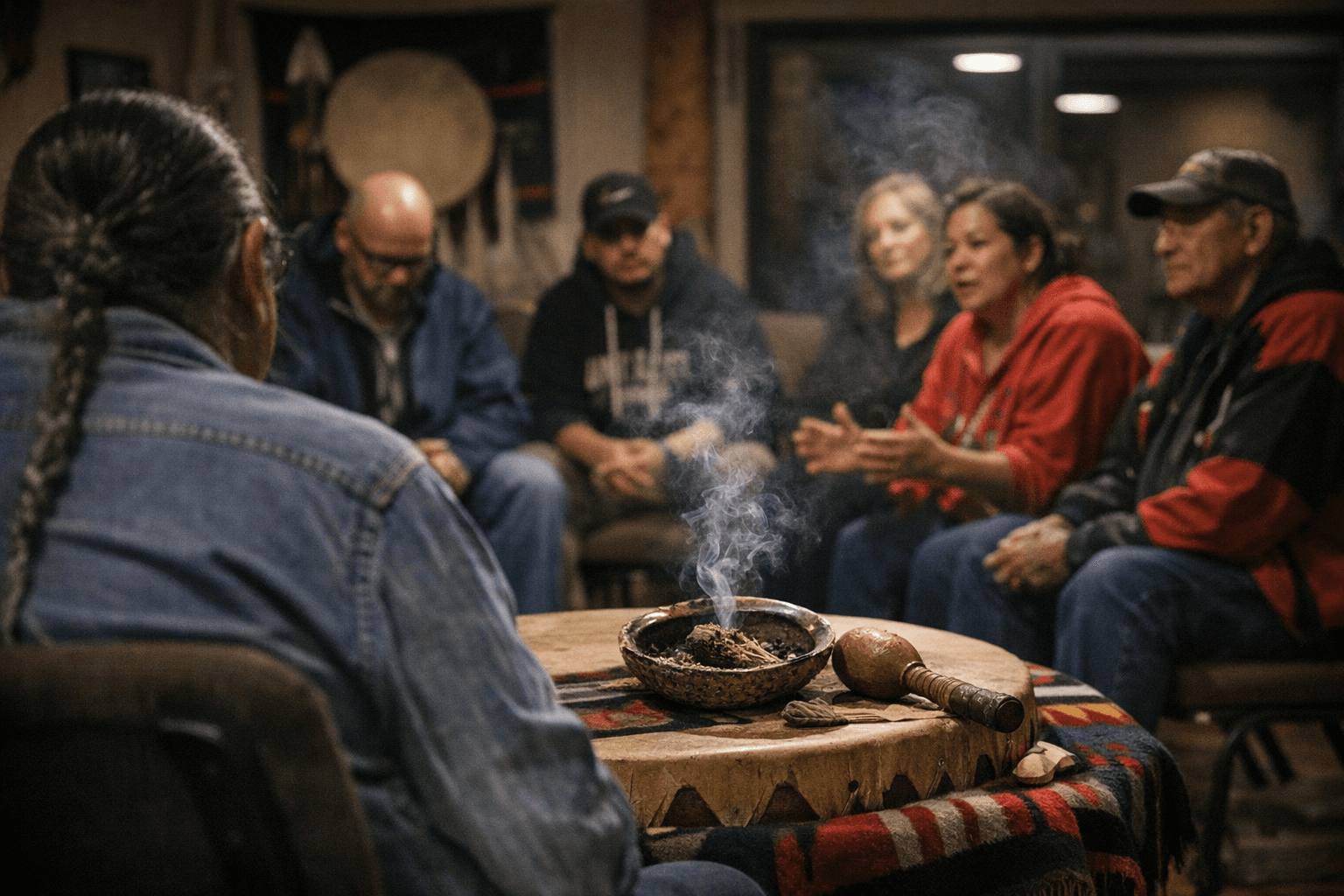
Other traditional accounts look forward to rebirth. One record reads, “If the new people remain strong in their quest, then there will be a rebirth of the Anishinaabe Nation and a rekindling of old flames. The Sacred Fire will again be lit.” These prophetic framings cast local acts like Ben Perez’s meal as small-scale embodiments of cultural reconnection: feeding elders, serving traditional foods and gathering across generations.
For Menominee County residents, the Seven Fires, One Community meal underscores a practical intersection of public health, elder support and cultural resilience. Community groups and tribal programs that prioritize traditional foods and intergenerational engagement can magnify those efforts. Organizers have not released participant counts or contact details; expect follow-up events and watch for opportunities to support elder care, language work and food access initiatives that echo the same themes of rebuilding and renewal.
Sources:
Know something we missed? Have a correction or additional information?
Submit a Tip