Ben Rhodes discusses Iran tensions and Obama’s nuclear deal
Ben Rhodes is back defending the Iran deal as U.S.-Iran tensions rise, while his new book and Democratic anxieties keep him in the spotlight.
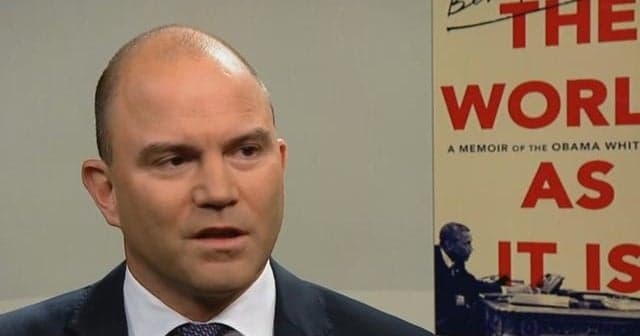
Ben Rhodes returned to one of the Obama era’s defining foreign policy fights at a moment when the conflict with Iran is again testing Democratic arguments about diplomacy, deterrence and American power. In an extended CBS News interview with Major Garrett, the former Obama speechwriter and foreign policy adviser revisited the nuclear agreement he helped sell, alongside his new book and the party’s unsettled debate over its future.
The Iran deal, formally the Joint Comprehensive Plan of Action, was reached on July 14, 2015 by the P5+1, the European Union and Iran. The Obama White House cast the agreement as a way to keep Iran’s nuclear program exclusively peaceful, and said the international community would be able to verify that Iran would not develop a nuclear weapon. On January 16, 2016, the Obama administration said the International Atomic Energy Agency verified that Iran had completed the necessary steps under the deal. At the time, the White House described Iran’s breakout time as only two to three months before the accord.
That history now sits under a harsher light. Rhodes’ defense of the agreement comes as U.S.-Iran tensions are again in the spotlight, forcing old assumptions about verification and diplomacy to collide with the reality of renewed confrontation. For Democrats, that collision has become politically fraught. The party still contains a bloc that sees the JCPOA as proof that sustained negotiations can limit a dangerous nuclear program, but it also includes voices more skeptical of whether diplomacy can survive Iran’s regional behavior, domestic repression and repeated clashes with Washington.

Rhodes is entering that debate with a larger argument about American identity. Penguin Random House published his new book, All We Say: The Battle for American Identity: A History in 15 Speeches, on May 26, 2026. The 432-page book traces the United States through fifteen speeches, from Benjamin Franklin to Donald Trump, and centers the struggle over who gets to define what it means to be American.
That frame matches the political terrain Rhodes is describing now. His interview with Garrett did not treat Iran as an isolated foreign policy file, but as part of a broader argument about governing, credibility and the Democratic Party’s anxieties about its own future. In that sense, the Iran deal has become more than a past agreement. It is a test of whether the party can still defend diplomacy as a serious instrument of power, even after the limits of that diplomacy have been exposed.
This article was produced by Prism’s automated news system from verified source data, official records, and press releases, then run through automated quality and moderation checks before publishing. The system is built and supervised by the people who set the standards it runs under. Read our full AI policy.
Did this article answer your question?

