Best rolling backpacks help reduce strain for school and travel
Rolling backpacks make the most sense when school loads, commute gear or travel bags start straining backs and shoulders, especially for younger kids and frequent flyers.
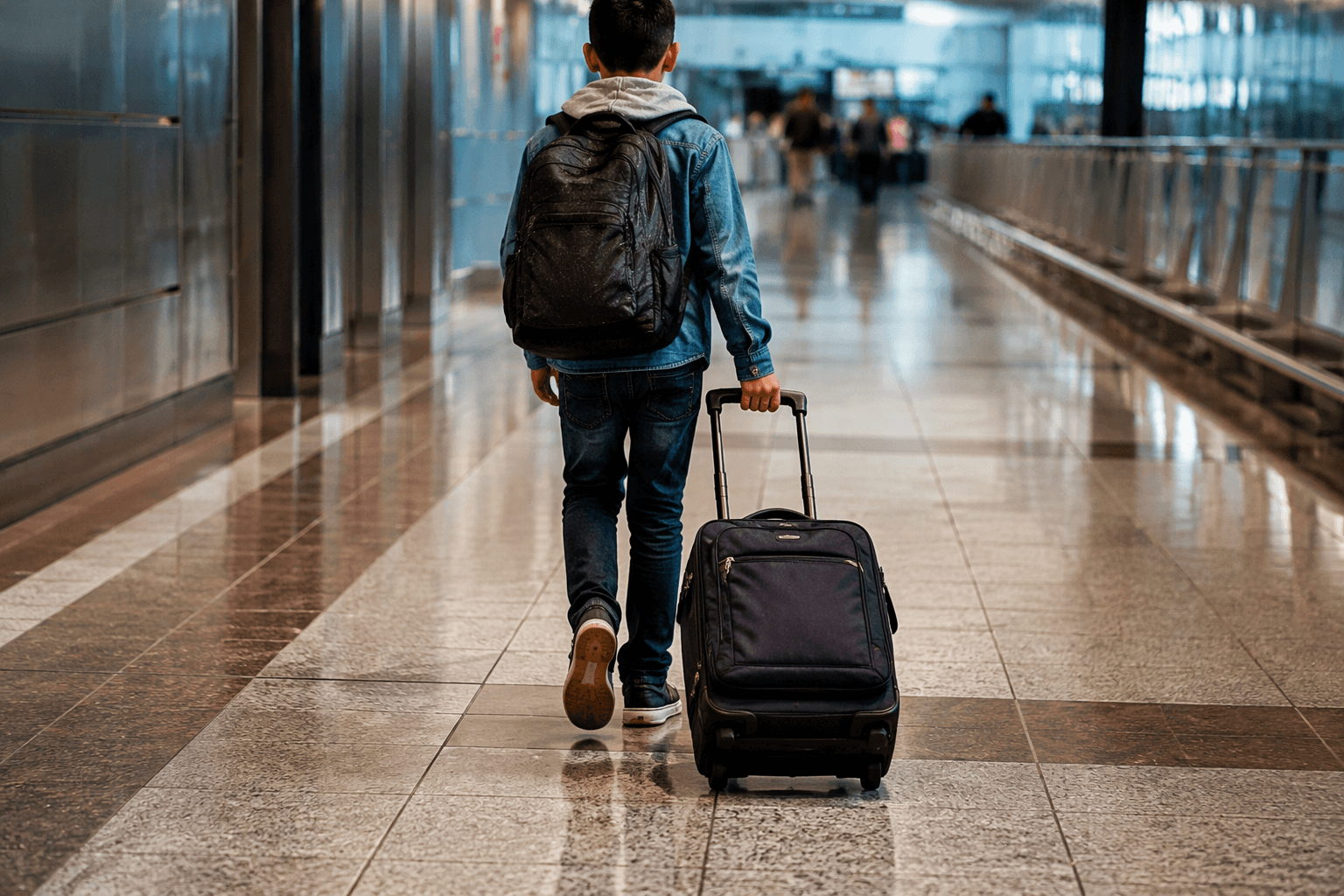
Rolling backpacks are most useful when the load is heavy enough to cause real strain, not just inconvenience. Pediatric and safety guidance commonly puts a child’s backpack at about 10% to 15% of body weight, and the National Safety Council says heavier items should sit closest to the back, with the pack worn high and snug if it goes on the shoulders.
1. Pottery Barn Kids rolling backpacks
This is the most clearly kid-focused option in the group. Pottery Barn Kids places its rolling backpacks in the 6-8 years best sellers section, with prices shown from $69.50 to $99, which makes them a straightforward back-to-school pick for younger students who need to move books, folders and lunch gear without carrying every pound on their shoulders.
2. JanSport Driver 8 rolling backpack
This is the strongest all-around school-and-travel choice for shoppers who want hard numbers before buying. The Driver 8 lists a 36-liter capacity, dimensions of 20 x 14 x 8 inches, a laptop compartment that fits devices up to 16.5 x 10 x 1.5 inches, and a 4-pound weight, so it offers enough room for school supplies and short trips without feeling oversized for daily use.
That size still needs to be checked against airline rules before a flight. American Airlines allows 1 personal item and 1 carry-on bag on board if both meet size requirements, so a rolling backpack this large works best when it fits the airline’s limits and your own packing habits.
3. Rockland Roadster 17 in. rolling backpack
This is the clearest example of why compartments matter as much as wheels. The Rockland Roadster comes with a front pocket with organizer and side mesh pockets, and that layout matches the safety guidance that says multiple compartments help distribute weight more evenly instead of letting everything sag into one dense load.
That matters for students carrying calculators, chargers and water bottles, and for travelers separating snacks, cords and documents. A National Library of Medicine review notes that backpacks can affect ergonomics and biomechanics, which is why a bag that breaks up weight into smaller sections is often a smarter buy than a single-bucket design.
4. Rockland rolling backpack
Rockland’s broader rolling backpack line gives budget shoppers another practical route into wheeled bags. The appeal here is less about a luxury finish and more about getting a rolling option from a familiar luggage brand, which can be enough when the main goal is reducing shoulder load during school days, airport walks or commutes.
The right choice still depends on fit and use case. If the bag is going to carry textbooks or a laptop, the same safety rules apply: keep the load light, use compartments to separate heavier items, and avoid overpacking past the 10% to 15% body-weight range that health guidance commonly recommends.
5. The model that matches the job, not just the price
The best rolling backpack is the one that solves the specific strain in front of you. Younger students benefit from kid-sized options like Pottery Barn Kids, heavier laptop users need the capacity and dimensions shown by JanSport, and travelers should keep airline size rules in view before they buy, because the best bag on the shelf is not useful if it has to be checked or left behind.
That logic is especially important for anyone managing back, neck or shoulder discomfort. The evidence behind backpack safety is consistent: fit, weight and compartment layout matter, and wheeled designs become most valuable when they reduce the amount you actually have to carry.
This article was produced by Prism’s automated news system from verified source data, official records, and press releases, then run through automated quality and moderation checks before publishing. The system is built and supervised by the people who set the standards it runs under. Read our full AI policy.
Did this article answer your question?