BFI archives 400 online videos, from viral hits to Twitch streams
The BFI has added more than 400 online videos to its archive, turning viral clips, Twitch streams and TikTok-era work into national heritage.
The British Film Institute has brought more than 400 online videos into its national archive, elevating clips once treated as disposable internet ephemera into a permanent cultural record. The collection spans roughly three decades of online moving image, from early webcams and flash animations to ASMR, Twitch streaming, TikTok, advertising, journalism, satire, public information, campaigning and training videos.
The new Online Video collection sits within the BFI National Archive’s Our Screen Heritage project and is supported by the BFI Screen Heritage Fund and National Lottery funding. Fifty acquisitions are being highlighted on BFI Replay, while the full archive holds more than 400 works, underscoring how quickly internet-born video has moved from the margins of popular culture into Britain’s official memory institutions. The BFI describes online video as “today’s most dynamic, influential screen form,” and says it has become embedded into life across the United Kingdom and the world.
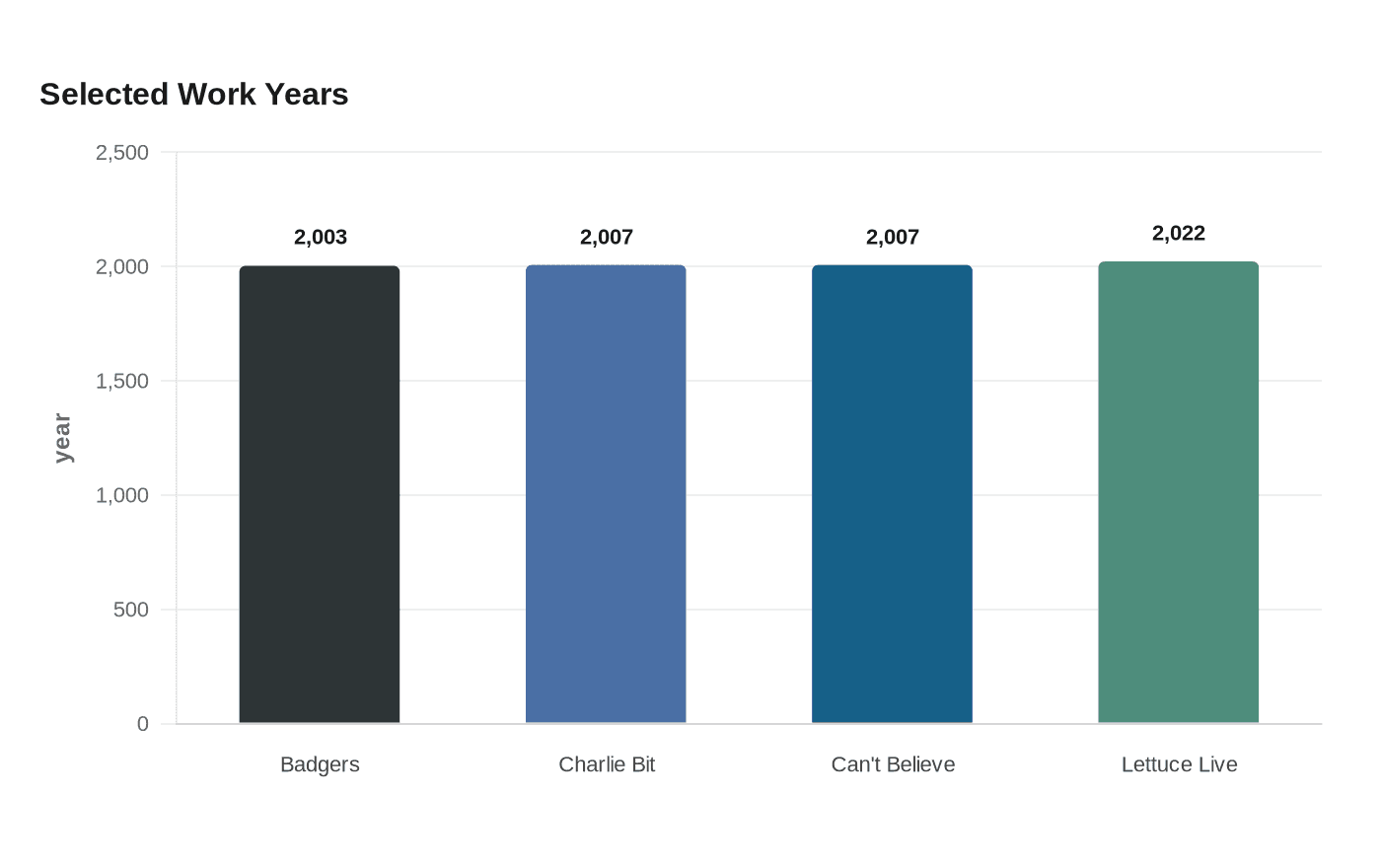
Among the preserved works are Charlie Bit My Finger – Again! from 2007, Badgers from 2003 and I Can’t Believe You’ve Done This from 2007, alongside the Daily Star’s 2022 Will Liz Truss Outlast This Lettuce? livestream. The BFI says that livestream is now the longest single work in the BFI National Archive to date, a striking sign that the archive is no longer built only around short, finished works but also around the strange new temporality of internet culture, where a joke can stretch across days and still become a defining public artefact.
Charlie Bit My Finger carries its own archive logic. Uploaded in 2007, it became one of YouTube’s earliest global viral sensations, then sold as an NFT for $760,999 in May 2021. The buyer ultimately chose to keep the clip available on YouTube rather than delete it, preserving the same piece of internet folklore that once seemed too trivial to matter.
The BFI has also recorded interviews with creators whose work has entered the collection, including Lucy Edwards, Chetna Makan, Paul Weedon, Red Hot Entertainment, Rabz Lansiquot, Adjani Salmon and Natasha Jatania. Their inclusion points to the wider stakes of the project: the archive is not only saving viral hits, but also acknowledging the creators who shaped online humor, identity and community at scale. In doing so, the BFI is deciding that internet culture belongs in the national story, not as a footnote but as heritage.
This article was produced by Prism’s automated news system from verified source data, official records, and press releases, then run through automated quality and moderation checks before publishing. The system is built and supervised by the people who set the standards it runs under. Read our full AI policy.
Know something we missed? Have a correction or additional information?
Submit a Tip