Biden administration and Morgan Stanley say U.S. embraces industrial policy
Washington has shifted from free trade to state-led industrial policy, deploying tariffs, export controls and targeted subsidies that reshape markets and community-level costs.
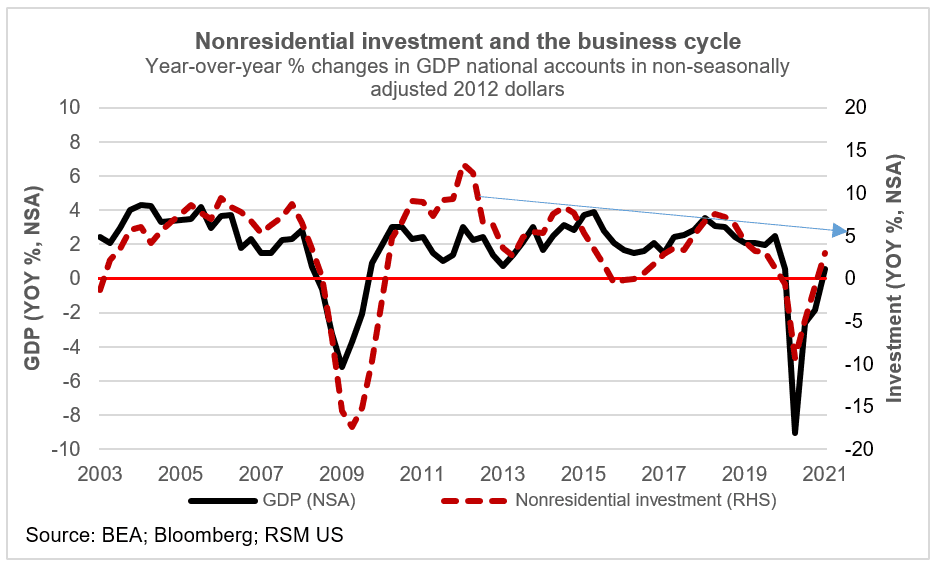
Washington has moved decisively away from the post-Cold War commitment to freer trade and toward an assertive, state-led industrial policy that now attracts bipartisan backing, reshapes technology competition with China and carries concrete consequences for costs, jobs and the green transition.
Morgan Stanley says the US has shifted "from free trade to industrial policy," and that there is "bipartisan support for trade barriers, strategic investments, and tax incentives," adding that "voters back restoring domestic production in critical industries" and concluding, "This marks a durable policy change in Washington." The shift is anchored by three major pieces of legislation that together have reoriented federal economic power: the Infrastructure Investment and Jobs Act, the CHIPS and Science Act and the Inflation Reduction Act. IDDRI notes that the Inflation Reduction Act, adopted in August 2022, "incorporated some of the fiscal measures included in the BBB and embodied the shift in the US economic policy towards a broad-base support for domestic manufacturing."
The policy toolkit now spans tariffs, export controls, investment screening, tax incentives and direct subsidies. Ussc Edu Au documents a "revival of tariffs, industrial policy and other forms of state intervention," and warns that "a shifting and indeterminate combination of tariffs, industrial policy interventions, investment screening, export controls and sanctions now forms the economic toolkit of a new Washington Consensus." That paper declares bluntly: "The post-Cold War era of deep globalisation that hinged on binding countries into a US-led economic system is over." In parallel, IDDRI reports that the Biden administration has "adopted new tariffs to protect the solar manufacturing and other sectors against Chinese competition and rolling out new export controls on critical technologies, including quantum computing and semiconductor goods," and that "new restrictions also apply to outbound investment in China."
The political convergence is striking: Ussc Edu Au frames the change as a rejection of old economic orthodoxies by actors across the political spectrum, noting it grew out of both post-Reagan Republican realignments and progressive critiques of neoliberalism. Practically, this has meant keeping most Trump-era tariffs in place while adding targeted measures designed to decouple advanced technological ecosystems from China's supply chains, a goal Ussc Edu Au said would see "a comprehensive regime of export controls designed to deny the United States' primary strategic rival access to advanced technologies."
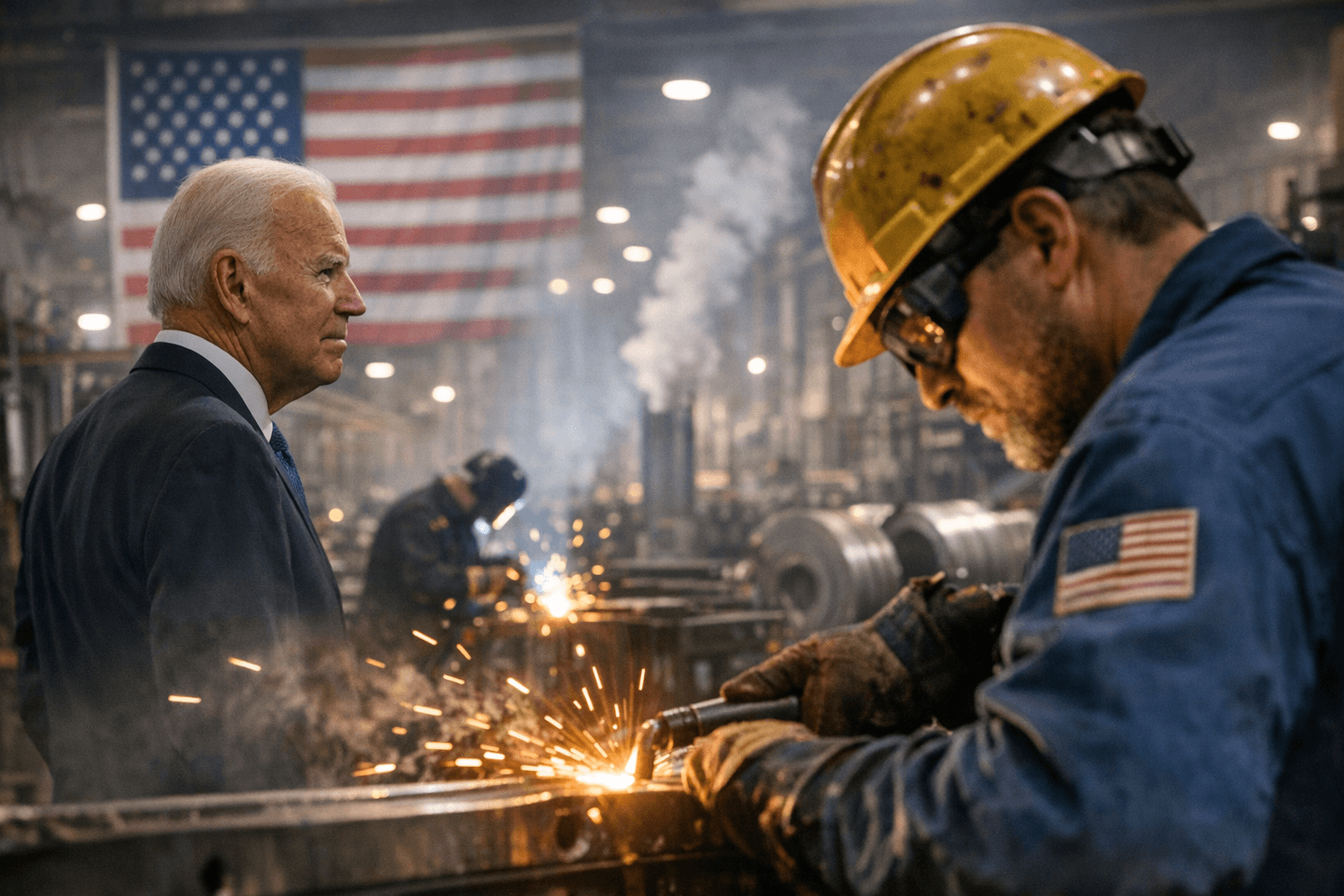
But policy durability does not equal technical effectiveness. IDDRI cautions that "there seems to be a consensus among experts that US trade tariffs will not produce the desired effect of boosting domestic US industrial investments" and warns that "the uncertainty around trade tariffs risks driving up supply costs (for EV batteries and solar panels industries, for instance)." Those cost pressures directly affect the affordability and speed of the green transition: higher prices for batteries and panels will slow household adoption and strain municipal climate programs, with the greatest burden falling on low-income communities and regions that lack manufacturing jobs.
For health and social equity, the implications are twofold. A mission-oriented industrial policy, IDDRI says, "marks a definitive shift towards mission-oriented policy approaches focused on societal goals such as the green transition," which could improve air quality, reduce fossil-fuel exposure and expand good-paying jobs in communities hit by deindustrialization. At the same time, tariff-driven cost increases threaten to make clean technologies less accessible and could raise prices for key products across supply chains that affect everyday life.
Policymakers now face a practical test: translate durable political consensus into industrial strategies that deliver equitable jobs, stable supply chains and affordable clean technologies, while avoiding protectionist measures that simply transfer costs to consumers and municipalities. The outcome will determine whether the new Washington Consensus becomes an engine of community renewal or a source of added economic strain for those least able to bear it.
This article was produced by Prism’s automated news system from verified source data, official records, and press releases, then run through automated quality and moderation checks before publishing. The system is built and supervised by the people who set the standards it runs under. Read our full AI policy.
Did this article answer your question?

