Big Island County Guide: 10 Top Attractions with Timing and Safety Tips
Residents will learn practical timing, safety tips, and community impacts for the Big Island's top attractions.
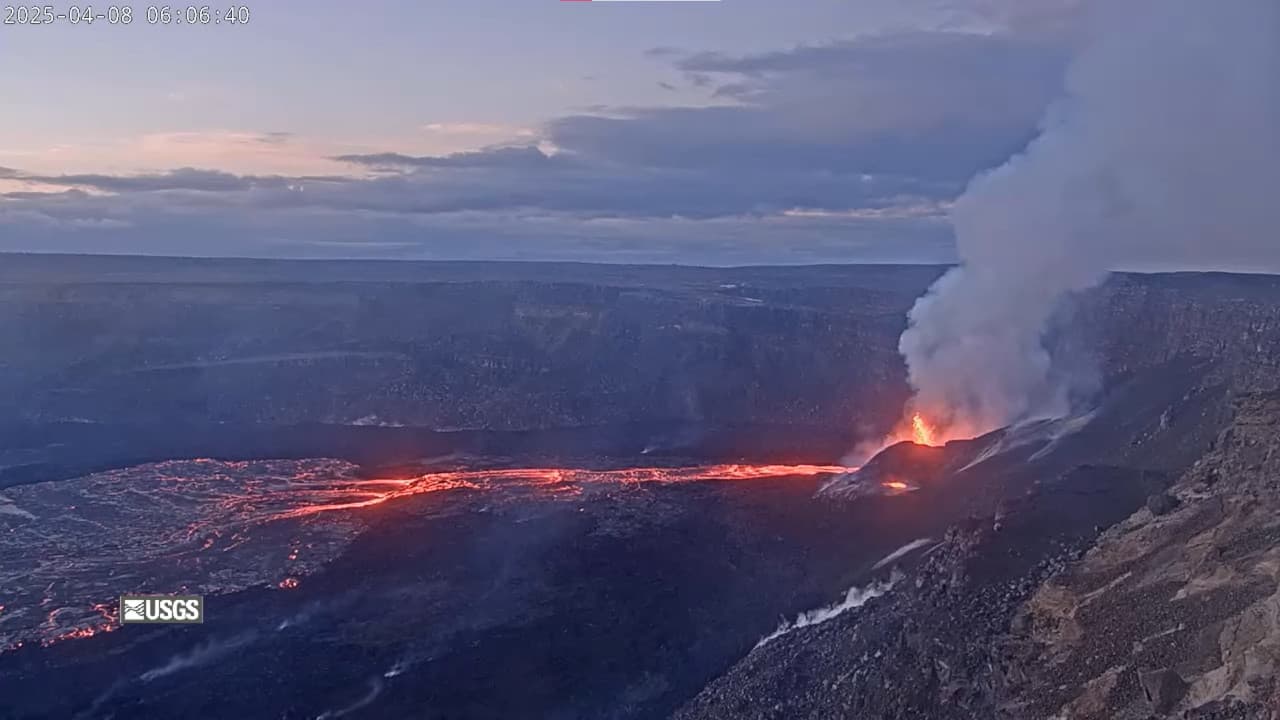
1. Hawaiʻi Volcanoes National Park
Visit Kīlauea and Kūpukapu overlooks at sunrise or sunset for dramatic light, but always check NPS alerts for summit access, road closures, and vog advisories before you go. Vog (volcanic smog) can worsen asthma and other respiratory conditions, so bring masks or inhalers and plan alternatives for sensitive family members; local clinics and public-health notices often update guidance during high vog days. Bring water, layered clothing, sturdy shoes, and be mindful that closures and access rules reflect both safety and efforts to protect sacred landscapes.
2. ʻAkaka Falls State Park
This short paved loop delivers a view of the 442‑foot falls and is a reliable quick visit after rainfall when flows are strongest and the rainforest smells richest. The park’s accessible trail options and picnic areas make it a communal spot for families and kupuna, but remember parking can be limited—plan for carpooling and support nearby vendors. Strong flows and slick paths mean sturdy shoes and caution for children; community stewardship keeps the trail maintained, so follow signage and pack out what you bring in.
3. Mauna Kea Visitor Information Station (stargazing)
Stargazing here is unforgettable but requires altitude caution: allow time to acclimate, dress very warm, and be mindful of preexisting heart or respiratory conditions that altitude can aggravate. Reservations or tour bookings are often required, and community advocates stress respect for both cultural protocols and fragile ecosystems at high elevation. For public-health safety, limit alcohol and heavy exertion at altitude and consider checking with your clinician if you have chronic conditions.
4. Hilo Farmers Market & Downtown Hilo
Peak vendor activity lands on Wednesdays and Saturdays; arrive early, park legally, and bring cash or small bills for the best local picks. The market sustains small-scale farmers and microbusinesses, bolstering local food security and keeping money circulating in neighborhoods that sometimes lack supermarket access. Community health benefits when residents can buy fresh produce directly from growers—prioritize direct-to-farmer purchases and ask vendors about seasonal availability and sustainable practices.
5. Kona coffee tours (Kona Belt)
Many small farms offer intimate tours and tastings—call ahead during high season, and consider buying direct from farmers to maximize community benefit. These microenterprises provide year‑round income for farming families and preserve agroecological knowledge; supporting them helps keep working landscapes intact and contributes to local employment. Respect farm biosecurity rules, follow guides’ safety instructions, and factor in sun protection and hydration during on‑site walks.
6. Punalūu Black Sand Beach (sea turtle viewing)
Turtles frequently bask on the black sand; observe from a respectful distance, never touch or attempt to move them, and follow posted protections for endangered species. Beachside wildlife viewing is an important cultural and ecological experience for residents, but human proximity can stress animals and invite fines—keeping distance protects both wildlife and community access. Bring reef‑safe sunscreen and be cautious of hot sand and limited shade when visiting with elders or young children.

7. Pololū Valley Lookout & short hike
The lookout provides a breathtaking panorama and a short, steep trail down to a rugged black sand cove; wear sturdy shoes and plan for a wet, slippery return after rain. Avoid entering the ocean—currents and shore breaks are often deadly—and respect private property lines and kuleana signs when exploring. The valley is a cultural landscape tied to local families; hikers honoring protocols and taking out what they bring reinforce long‑term stewardship and equitable access.
8. Snorkel/Kona coastline (Kealakekua Bay, Hōnaunau)
Kealakekua Bay and Puʻuhonua o Hōnaunau offer world‑class snorkeling but typically require a boat trip or a long hike to reach prime spots; visibility can be excellent yet conditions change fast. Respect marine life and reef rules: don’t touch coral, don’t chase fish, and use reef‑safe sunscreen to protect coral health that supports local fisheries and food security. Community groups often lead restoration and education efforts—supporting those initiatives helps protect both marine ecosystems and the livelihoods of local fishers.
9. Waimea/Parker Ranch & paniolo culture
Waimea’s cooler upcountry climate, ranching history, and paniolo traditions make for a different island experience—visit historic sites, farmers markets, and local eateries to support town livelihoods. The ranching legacy intersects with Hawaiian land tenure history; learning about that context supports more informed tourism and local policy conversations around land use and housing affordability. Cooler temperatures also mean different health considerations for elders who may be more comfortable upcountry—plan clothing and transport accordingly.
10. Local cultural events & hula performances
Check community calendars for hula, craft fairs, and local music nights—small events are where culture, language, and food circulate and where artisans keep traditions alive. These gatherings are vital for social cohesion and economic opportunity for cultural practitioners; attend respectfully, follow any photographic or protocol requests, and consider modest donations or purchases that directly support artists. Community-run events also serve as informal public-health networks; they’re places where information about clinic hours, vaccination clinics, or mutual aid often gets shared.
Practical closing wisdom: plan with people in mind—check advisories, carry water and basic first‑aid supplies, and prioritize supporting local businesses and cultural stewards. Small steps—buying from a farmer, keeping distance from turtles, or dressing for altitude—reduce health risks and strengthen community resilience while keeping the Big Island’s places and people thriving.
Know something we missed? Have a correction or additional information?
Submit a Tip