Big Island honors fire chief who modernized emergency response
Hundreds gathered Jan. 12 at Afook-Chinen Civic Auditorium to honor late Hawaiʻi County Fire Chief Kazuo Todd. His reforms in equipment, staffing and training aimed to make the island safer.
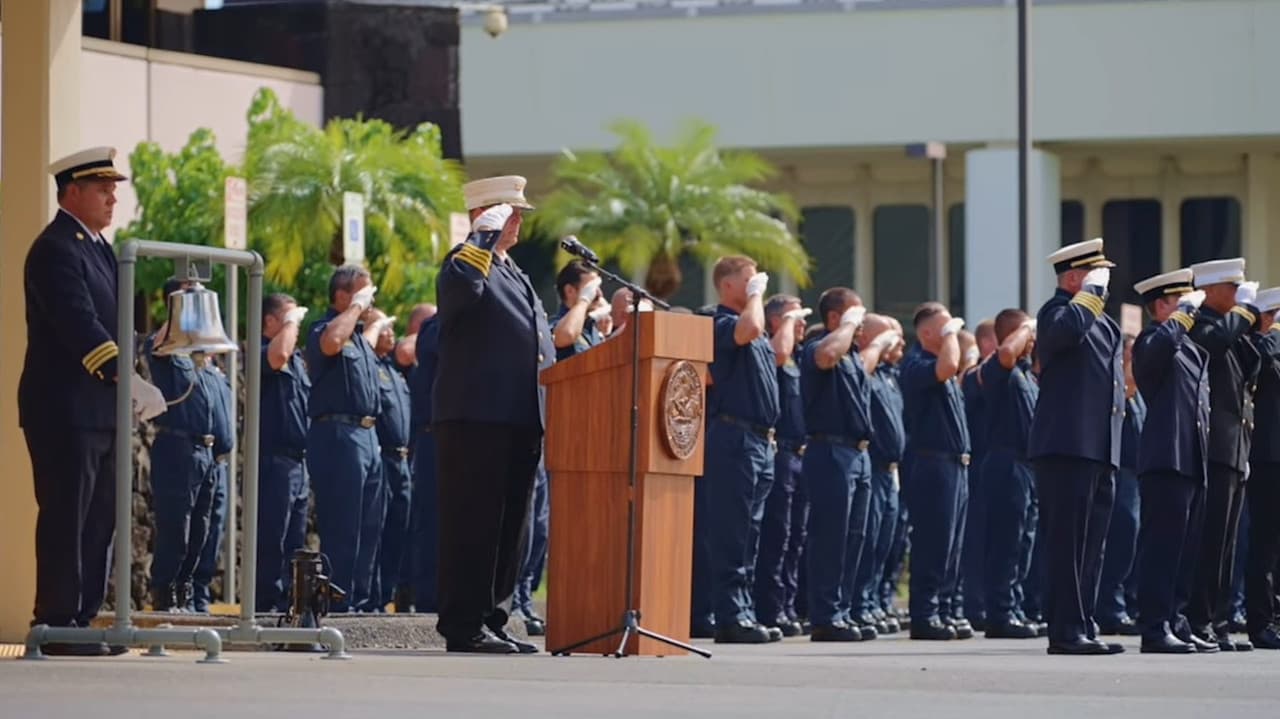
Hundreds of residents, family members, county leaders and fire department colleagues filled Afook-Chinen Civic Auditorium on Jan. 12 for a public memorial honoring late Hawaiʻi County Fire Chief Kazuo Todd, who died Dec. 14, 2025. The gathering paid tribute to a 21-year career in which officials say Todd prioritized modernization, equipment upgrades, staffing and training to strengthen public safety across the island.
Speakers at the memorial reflected on Todd’s push to update apparatus and tools, and on efforts to professionalize training and shore up staffing levels. Those changes were presented as more than internal department reforms: they were framed as practical steps to reduce response times, improve emergency medical care at scenes, and better protect communities spread across the Big Island’s varied terrain.
For Big Island residents, those operational shifts have direct public health and safety implications. Fire departments are often first on the scene for medical emergencies, vehicle collisions, wildland fires and natural disasters. Investments in modern equipment and standardized training can ease pressure on emergency departments, limit injuries, and improve outcomes for vulnerable populations who live far from hospitals or full-service clinics.
The memorial also emphasized the human toll public safety work takes. Colleagues and leaders acknowledged the personal sacrifices that come with long emergency shifts and the emotional weight of responding to traumatic events. Organizers noted community support is underway for Todd’s surviving family, and that a foundation has been established to raise funds to assist them during this transition.

Beyond honoring one leader, the event prompted conversations about broader systemic challenges: persistent staffing shortages in rural stations, the need to sustain equipment funding, and the importance of culturally informed public safety outreach to ensure equitable access to emergency services across neighborhoods. Those topics matter for county health planners and elected officials who set budgets that determine whether modernization efforts endure.
The takeaway? Remembering a leader is also a moment to check community preparedness. Update your household emergency plan, test smoke detectors and carbon monoxide alarms, and sign up for county emergency alerts so you and your loved ones get timely notices. Showing up for first responders can be as simple as staying informed and supporting policies that keep stations staffed, equipment maintained, and training funded for communities mauka to makai.
Sources:
Know something we missed? Have a correction or additional information?
Submit a Tip