Biltmore Estate draws visitors, shapes Buncombe County tourism economy
The Biltmore Estate is Buncombe County’s most-visited historic attraction and a major driver of local tourism and commerce.

The Biltmore Estate in Asheville anchors Buncombe County’s tourism landscape with its 250-room Gilded Age mansion, formal gardens, an on-site winery, seasonal exhibits, and walking trails that meet the French Broad River. As the region’s most-visited historic attraction, the estate concentrates large volumes of visitors on weekends and peak seasons, shaping traffic patterns, retail sales, and lodging demand across the county.
Visitors typically spend several hours on the grounds; the estate’s size and range of offerings mean a meaningful visit requires roughly three to five hours. Timed tickets are recommended for entry to the house and for special exhibitions to manage visitor flow, and on-site parking is available. Nearby Biltmore Village, clustered around the estate entrance, supplies restaurants, specialty shops, and several historic buildings that capture spillover spending from estate visitors.
The local implications are practical and economic. Increased foot traffic boosts revenue for restaurants, boutique retailers, and lodging providers in Asheville and neighboring communities, supporting jobs in hospitality and services. At the same time, concentrated visitation creates peak-period congestion on approach routes and demand for parking and transit options, making weekend planning and timing of visits important for residents and day-trippers alike.
From a policy and planning perspective, the estate’s draw underscores the need for coordinated transportation strategies and visitor management. Municipal leaders and county planners face choices about investing in public transit links, shuttle services, or wayfinding improvements to reduce neighborhood impacts during busy periods. Conservation and trail maintenance along the French Broad River also become priorities as outdoor access remains a key part of the visitor experience.
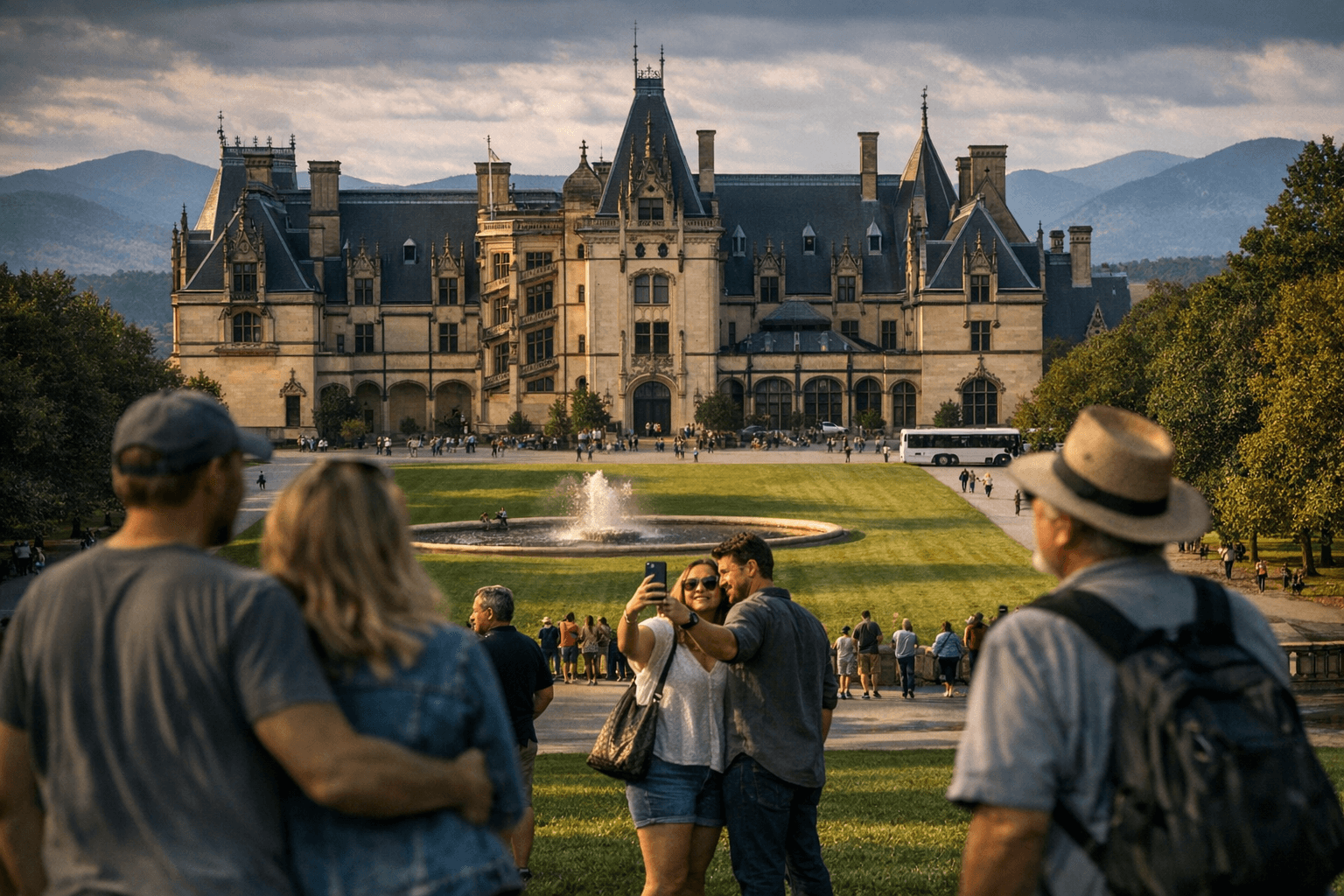
For local businesses, the estate functions as both anchor and benchmark. Retailers in Biltmore Village and downtown Asheville can capitalize on steady visitor flows through targeted hours, menu adjustments for peak service times, and partnerships with lodging operators. For homeowners and residents, awareness of event calendars and an emphasis on off-peak visitation can ease daily life during the busiest weekends.
Practical advice for Buncombe County residents and visitors: book timed tickets in advance, allow three to five hours to tour the house and grounds, expect heavier traffic on weekends and peak seasons, and plan to use on-site parking. Whether you come for the winery tasting, the seasonal exhibits, or a riverside walk, the Biltmore Estate will continue to shape local commerce and community planning—so plan ahead and pick the timing that works best for you and your neighbors.
Know something we missed? Have a correction or additional information?
Submit a Tip