Bipartisan backlash grows over Trump’s pick for acting intelligence chief
Bipartisan alarm over Bill Pulte’s intelligence posting is colliding with a critical FISA deadline, as lawmakers warn the post is too important for a political loyalty test.
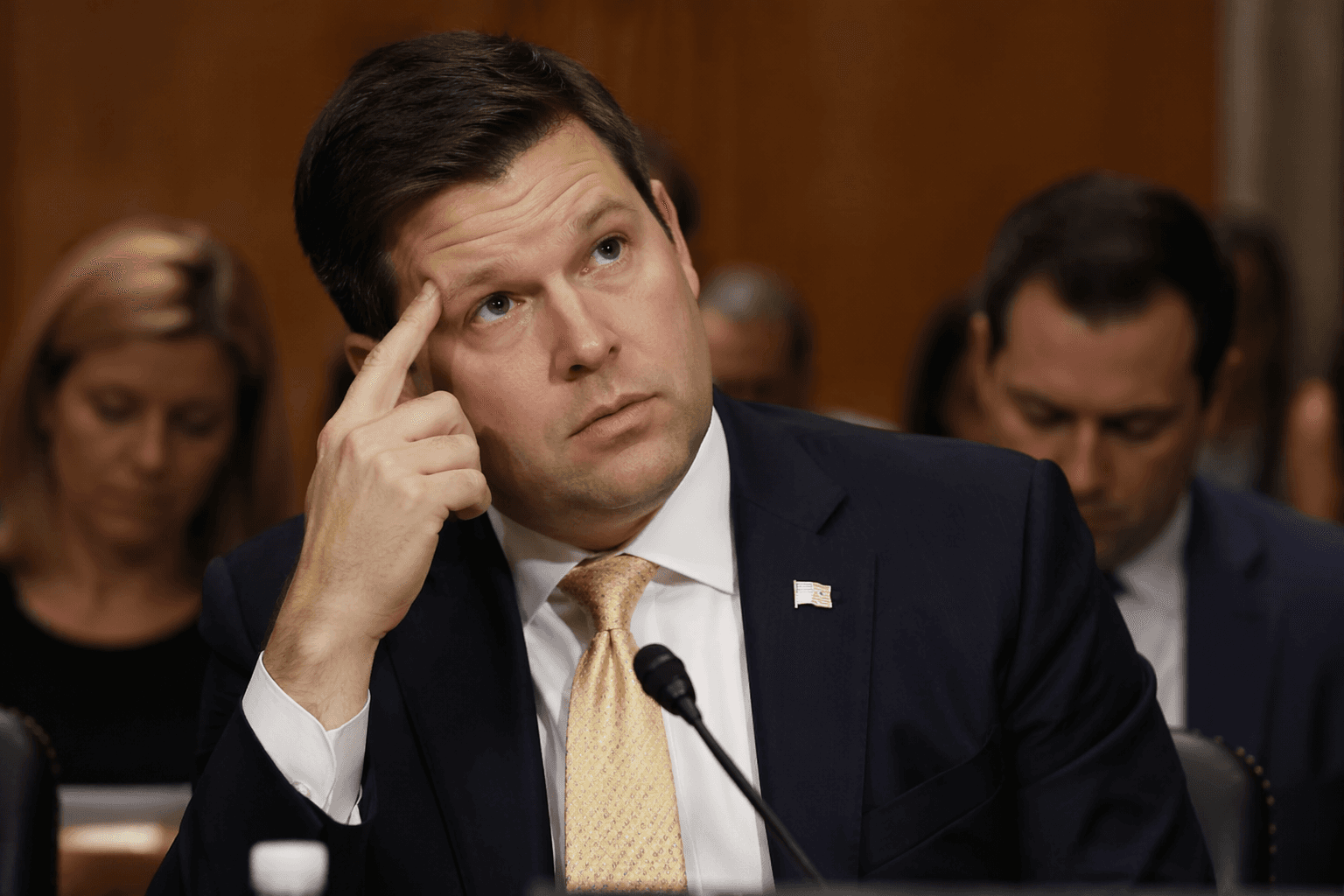
Donald Trump’s decision to install housing official Bill Pulte as acting director of national intelligence has triggered swift pushback from Republicans and Democrats who say the job demands experience, not just loyalty. The post sits atop the Office of the Director of National Intelligence, created after the September 11 attacks and responsible for overseeing the U.S. intelligence community of 18 agencies.
Trump announced on June 2 that Pulte, who leads the Federal Housing Finance Agency and chairs Fannie Mae and Freddie Mac, would replace Tulsi Gabbard in an acting role. Gabbard said on May 22 that she would resign effective June 30 after her husband was diagnosed with a rare bone cancer. Trump then said on June 4 that Pulte would not be his permanent nominee for the intelligence post, though an acting DNI can serve for 210 days without Senate confirmation.

The backlash has been unusually broad for a national security appointment. Senate Republicans including Mitch McConnell and Thom Tillis said Pulte lacked the background required for the office, and McConnell said a DNI nominee must have extensive national security experience. Senate Intelligence Committee Vice Chair Mark Warner was even sharper, calling the move a “live hand grenade” thrown into the Senate debate over intelligence policy.
At the center of the criticism is not only Pulte’s lack of intelligence, military or national security experience, but also the concern that Trump is treating a sensitive post as a political instrument. Critics said Pulte had used his housing-finance role to go after Trump’s perceived enemies, and Trump himself told reporters he wanted Pulte to begin shrinking the intelligence office. That has deepened fears in Congress that the White House is signaling independence at the top of the spy apparatus is no longer the priority.
The dispute is already spilling into urgent national security policy. On June 5, Senate Democrats blocked debate on renewing Section 702 of the Foreign Intelligence Surveillance Act in a 47-52 vote, with the law set to expire on June 12. Lawmakers warned on June 7 that the Pulte appointment could jeopardize a fragile deal to extend the surveillance authority, raising the stakes for an office that manages intelligence coordination across Washington, Virginia and the rest of the national-security bureaucracy.
For lawmakers in both parties, the issue is no longer just who fills the chair. It is whether the country’s intelligence leadership will still be judged by experience, independence and credibility when geopolitical tensions leave little room for error.
This article was produced by Prism’s automated news system from verified source data, official records, and press releases, then run through automated quality and moderation checks before publishing. The system is built and supervised by the people who set the standards it runs under. Read our full AI policy.
Did this article answer your question?

