Bipartisan housing bill aims to boost supply, ease soaring costs
Congress cleared a bipartisan housing bill, but the first benefits are likely to land in financing and planning before families feel any relief.

Congress sent the 21st Century ROAD to Housing Act, H.R. 6644, to President Donald Trump after the House approved it 358-32 on June 23 and the Senate passed it 85-5 the day before. The vote capped a rare bipartisan push in Washington, but the relief for renters and buyers facing steep prices will come slowly, not at the speed of the political win.
The bill grew out of a Senate Banking, Housing, and Urban Affairs Committee markup that advanced 24-0, described as the committee’s first bipartisan housing markup in almost a decade. A related housing package had already cleared the House 390-9 in February, showing broad support for action even as lawmakers struggled to turn consensus into a final product. House passage came as Congress raced to finish work before the end of the week and clear the way for Trump to sign the measure into law.
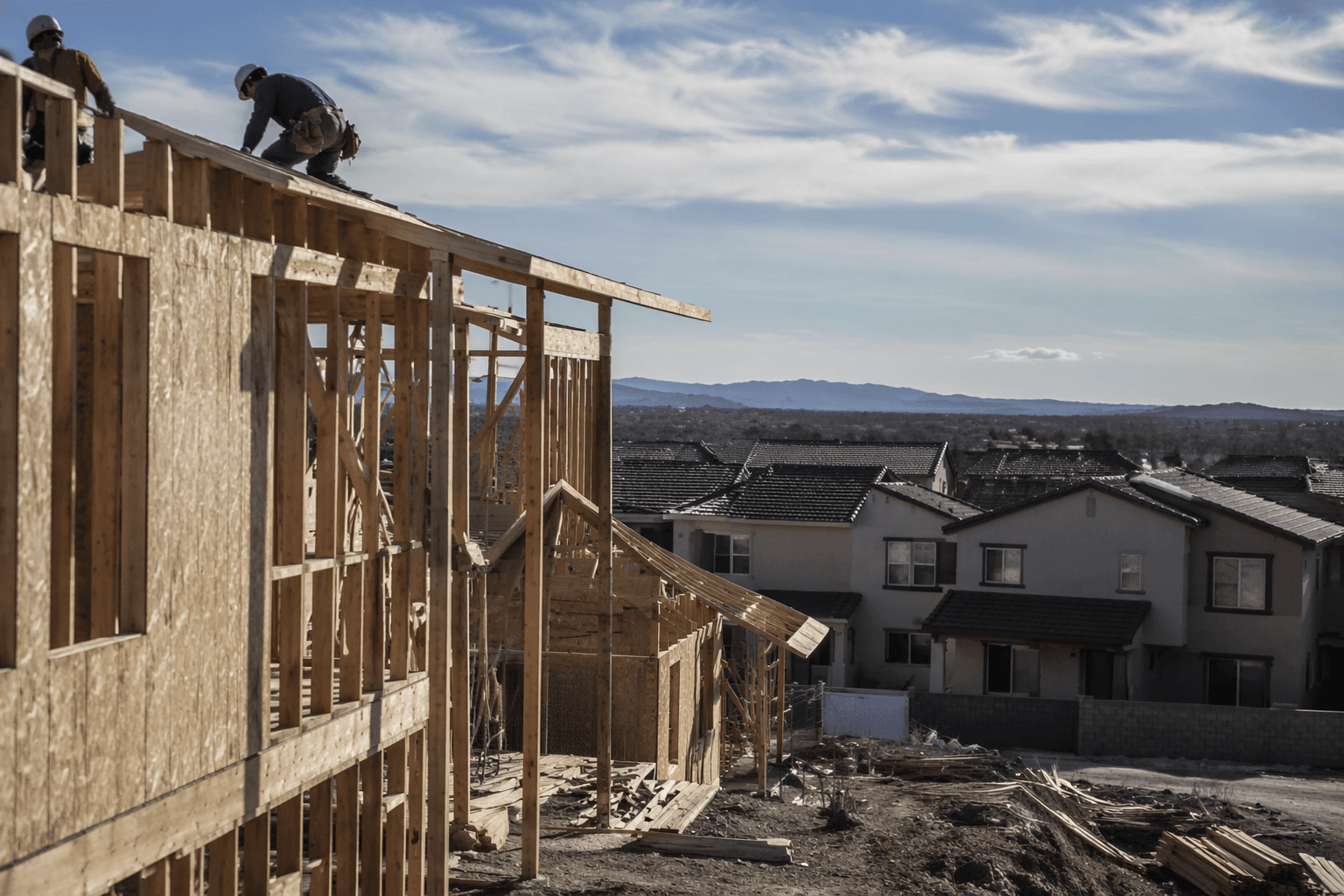
The legislation is aimed at expanding the housing supply, widening financing for affordable housing, providing grants for planning and community development, modernizing HUD programs and cutting federal red tape. It also seeks to limit the ability of major investors to buy single-family homes. Those pieces are the ones most likely to move first, especially the financing and grant provisions, but the path from federal changes to more homes on the market still runs through zoning, local approvals, construction schedules and lending decisions.
That lag matters because the shortage remains severe. Freddie Mac estimated in the third quarter of 2024 that the United States was short 3.7 million housing units. Even with a new law, that gap cannot close quickly, and supporters of the bill have acknowledged that housing production and implementation will take time before families see any real drop in costs.
The timing also reflects the political pressure behind the bill. Reuters said high consumer prices were a major voter concern heading into the November midterm elections, and lawmakers in both chambers moved quickly to show progress on affordability. Senator Elizabeth Warren said Congress hears from constituents about the need to bring down home prices, a reminder that the housing debate has become as much about public frustration as policy design.
The market backdrop remains weak. The National Association of Home Builders said builder confidence in the market for newly built single-family homes fell to 35 in June 2026 and stayed below 40 for 14 straight months. That measure underscores the challenge ahead: a bipartisan breakthrough in Congress may mark real policy progress, but the payoff for households will depend on whether the new tools can actually translate into more supply.
This article was produced by Prism’s automated news system from verified source data, official records, and press releases, then run through automated quality and moderation checks before publishing. The system is built and supervised by the people who set the standards it runs under. Read our full AI policy.
Know something we missed? Have a correction or additional information?
Submit a Tip