Birds weave drone cables into nests near Ukraine front line
A nest of fibre-optic cable found near Kharkiv shows how battlefield debris is entering Ukraine’s wildlife. Scientists are now using the artifact to trace damage beyond the front line.
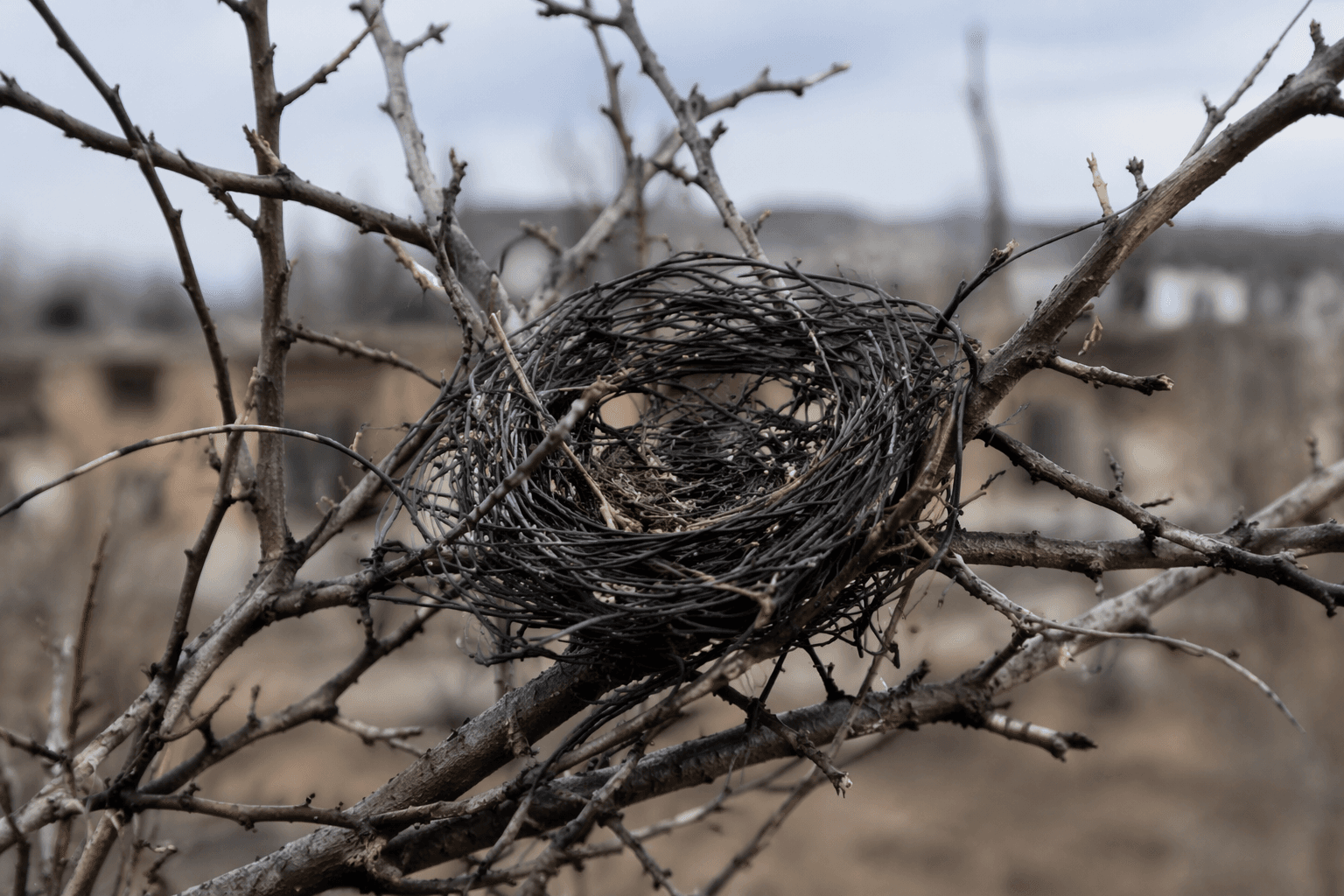
A Ukrainian serviceman found a small bird’s nest woven from fibre-optic cable and grass on June 23, then passed it to the National Museum of the History of Ukraine in the Second World War in Kyiv.
The nest came from the Kharkiv region, on a front line that stretches for about 1,200 kilometres across Ukraine. Along that line, ultra-thin optical cables used by both Ukrainian and Russian troops to guide attack drones now cut across fields, trees and rooftops. Some of those lines can run for as much as 20 kilometres, and after missions they are left behind as tangled debris in the landscape.
Birds have begun repurposing the discarded fibres into nests. Yana Hrynko, who examined the nest for the museum, said finds like this show war is changing nature itself, not only the built environment. The species that made the nest remains unknown.
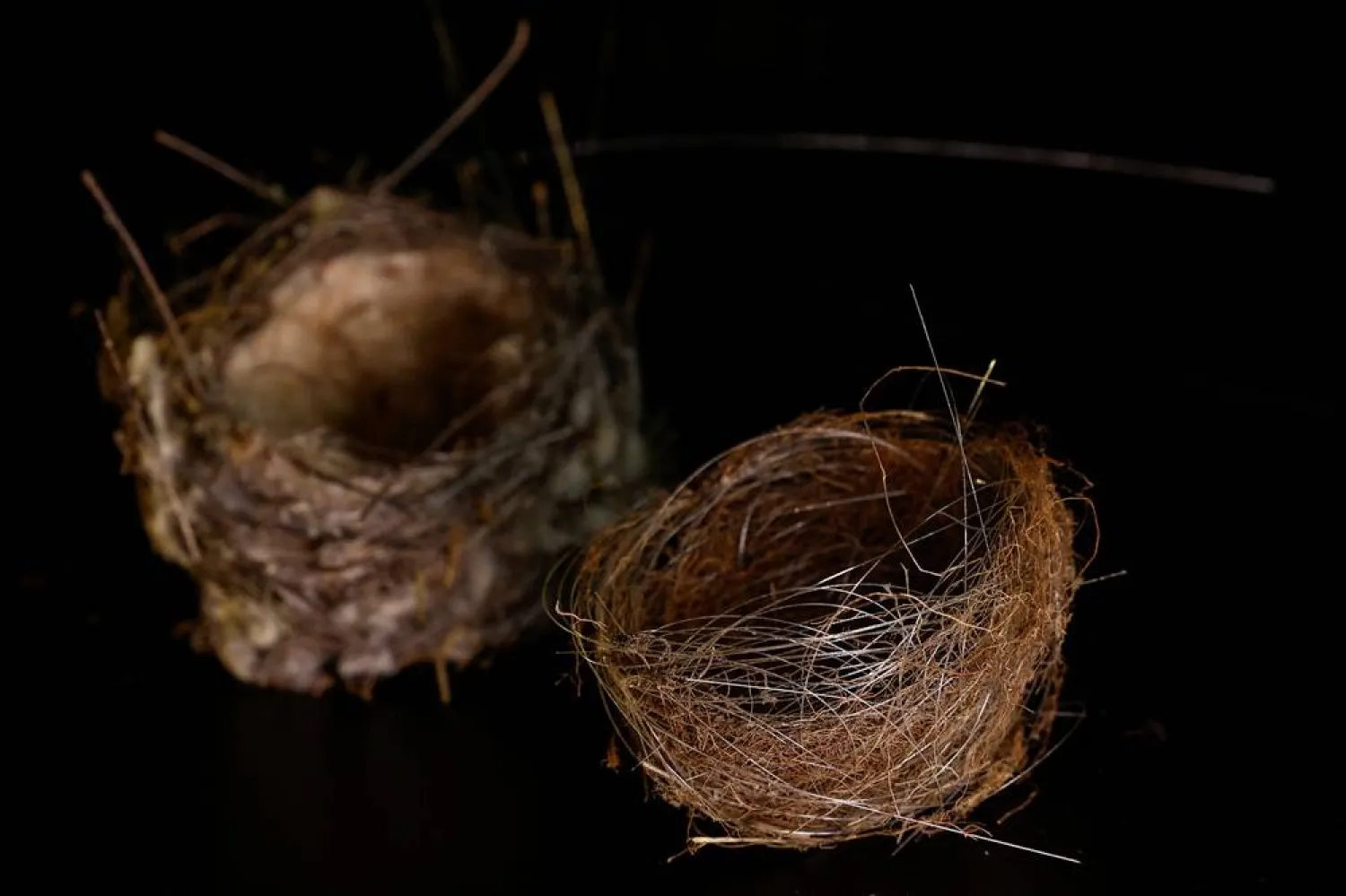
The museum said one of the two nests will stay in Kyiv as part of its war collection, while the other will be sent to the Netherlands for study and then returned. Dutch biologist Auke-Florian Hiemstra, who specialises in artificial nest materials, is helping assess the find. DNA traces in the nest will identify the bird and show which species are adapting to a battlefield saturated with synthetic debris.
Fiber-optic FPV drones have grown into a major battlefield tool because they are resistant to electronic jamming, and the fibres they leave behind can remain in the environment like spiderwebs after flight. By mid-2025, Ukraine’s domestic drone sector had expanded rapidly, with more than 30 companies producing fibre-optic drones.
This article was produced by Prism’s automated news system from verified source data, official records, and press releases, then run through automated quality and moderation checks before publishing. The system is built and supervised by the people who set the standards it runs under. Read our full AI policy.
Did this article answer your question?