Birmingham bin strike talks resume as council faces election stunt claims
Talks are back on while 17,000 tonnes of Birmingham waste, pay cuts of up to £8,000 and election stunt claims keep the dispute politically toxic.
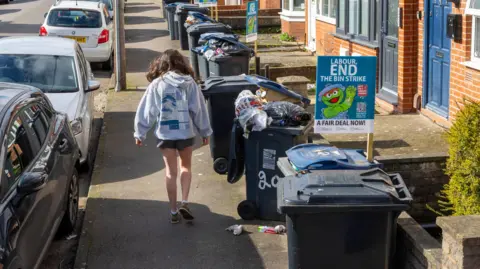
Birmingham’s bin strike has left a city-wide scar that is measured not just in missed collections but in 17,000 tonnes of uncollected waste, a major incident declaration and a public argument over whether the latest offer can end a dispute that has already dragged on for more than a year.
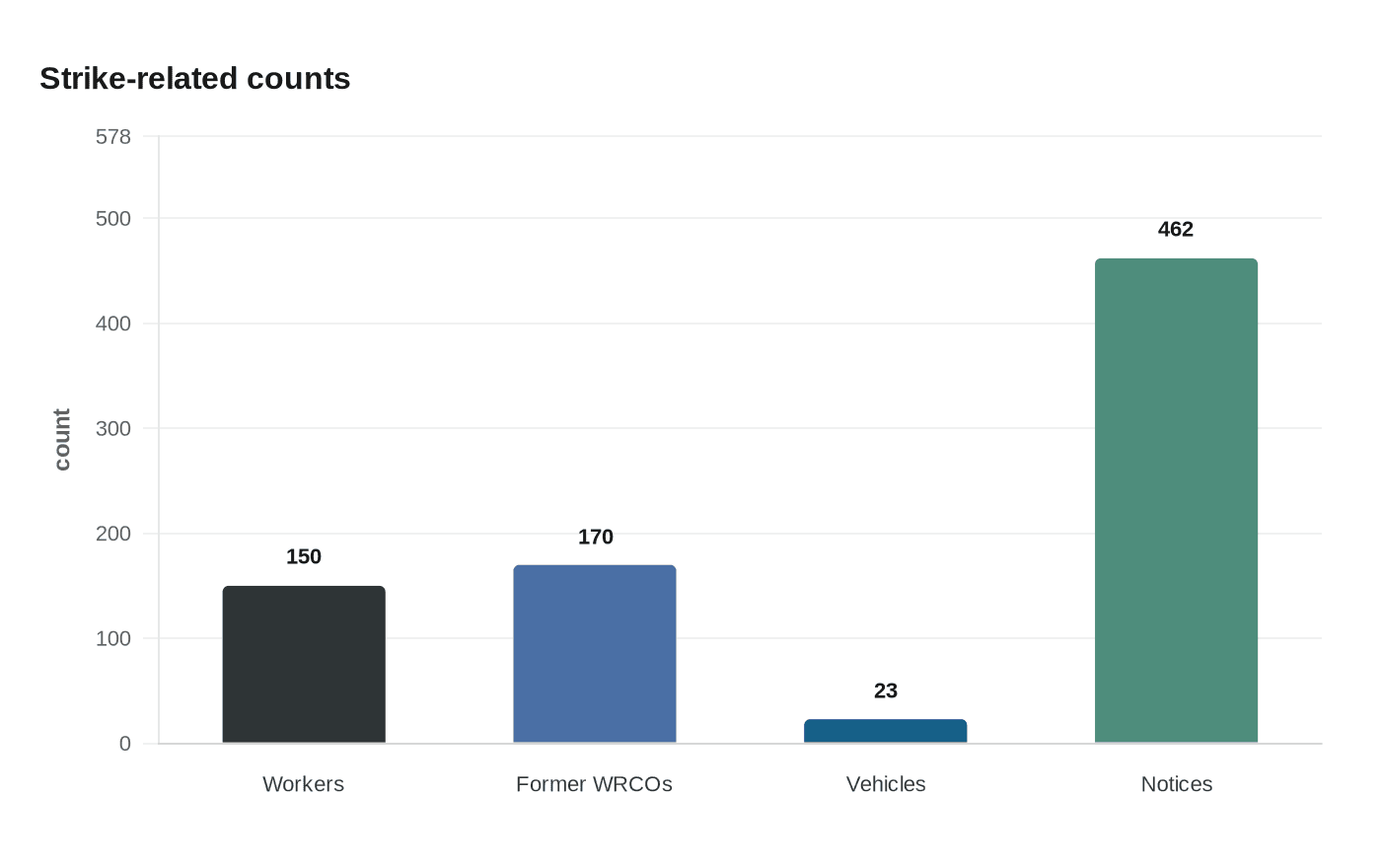
The strike began on 11 March 2025 after refuse workers represented by Unite the Union walked out over Birmingham City Council’s plan to remove Waste Recycling and Collection Officer roles. Unite says around 150 workers face pay cuts of up to £8,000 a year. The council says the WRCO role was withdrawn on 2 January 2025 after consultation and that all 170 former WRCOs were successfully redeployed or chose voluntary redundancy.
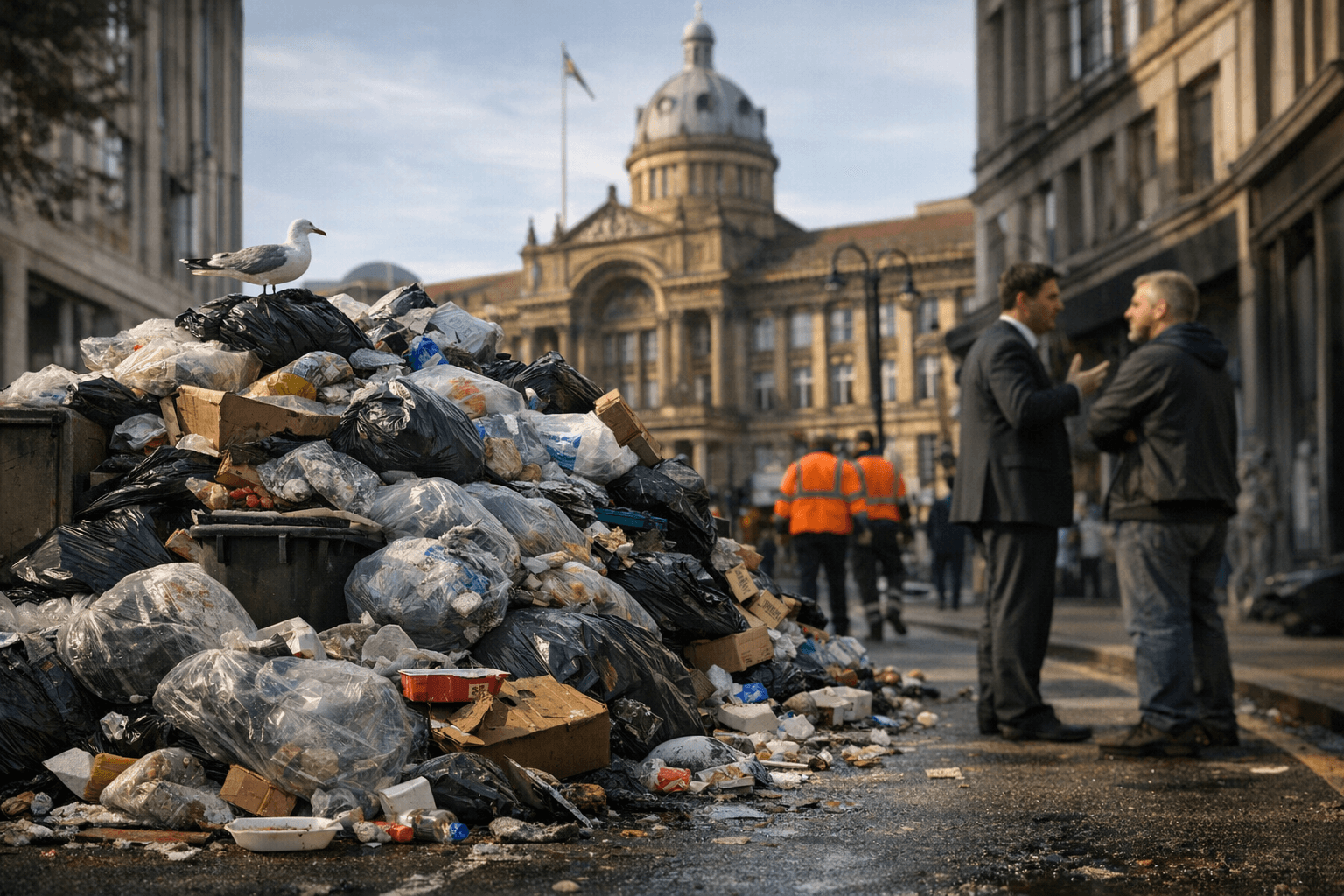
The scale of the breakdown became clear on 31 March 2025, when Birmingham City Council declared a major incident and said around 17,000 tonnes of waste remained uncollected across the city. Since then, the fallout has spread beyond missed bins. The council says it has seized 23 vehicles and issued 462 fixed penalty notices of £1,000 each for fly-tipping offences since 1 April 2025, evidence of how quickly a collection failure can spill into street dumping, enforcement work and extra strain on council resources.
The dispute has also become a test of trust in local government. Birmingham City Council has said the strike delayed its planned waste-service transformation, even as it still intends to roll out a new service from June 2026. That scheme includes weekly food waste collections and a second recycling bin, with recycling rates expected to exceed 30 per cent initially. For residents, the question is whether a new contract design can restore confidence after months of disruption, or whether the city will simply be left with a fresh structure on top of the same workforce dispute.
Talks have resumed under intense political pressure. Unite says the council last reengaged in negotiations in May 2025 on a so-called ballpark deal brokered by Acas, involving council chief executive Joanne Roney. In March 2026, Unite voted to cut its Labour affiliation by £580,000, saying Labour’s treatment of the Birmingham bin workers would not be tolerated. Opposition parties now say the new offer is an election stunt, timed for maximum political effect days before local elections. Council leader John Cotton says a negotiated settlement is within sight after months of hard work on the principles and parameters of a deal, but the real test is narrower than campaign rhetoric: whether the settlement fixes the pay and staffing dispute that began this crisis in the first place.
This article was produced by Prism’s automated news system from verified source data, official records, and press releases, then run through automated quality and moderation checks before publishing. The system is built and supervised by the people who set the standards it runs under. Read our full AI policy.
Did this article answer your question?

