Black Friday Sales Rise 4.1 Percent, Signaling Consumer Resilience
Mastercard SpendingPulse data showed Black Friday retail sales excluding autos climbed 4.1 percent year over year, strengthening hopes that U.S. consumer demand will hold through the holidays. The result matters for retailers, investors and policymakers because it tests whether spending can withstand tighter credit and higher interest rates.
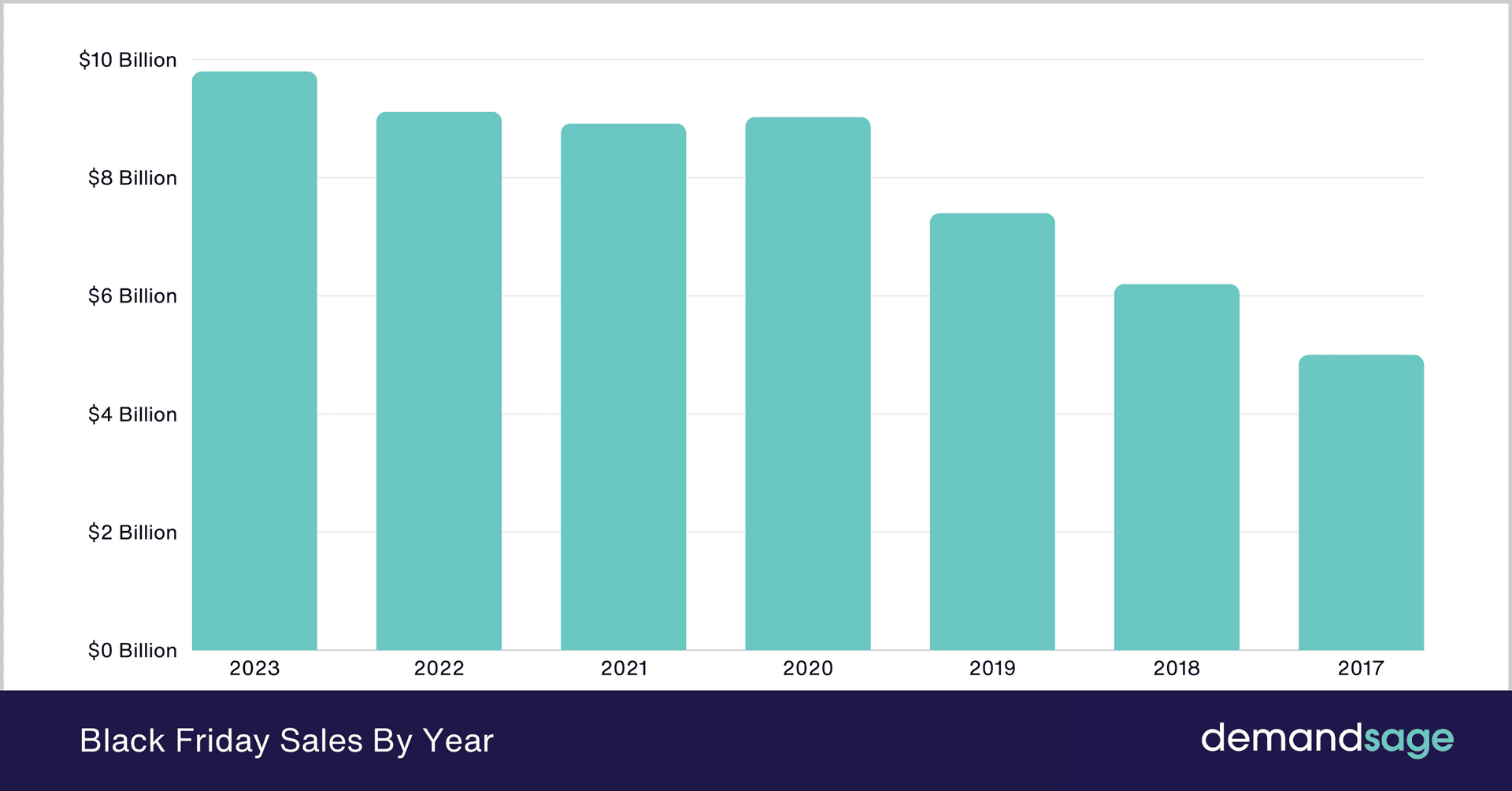
Mastercard SpendingPulse reported on November 30 that Black Friday 2025 retail sales excluding autos rose 4.1 percent from a year earlier, a gain that outpaced last year’s growth and underscored continued consumer resilience amid broader macroeconomic headwinds. The SpendingPulse measure tracks online and in store retail sales across most categories, offering a widely watched, near real time snapshot of holiday shopping behavior.
Analysts citing the report point to durable strength in discretionary categories as a key driver of the day’s increase, though they caution that the full holiday season will hinge on the stability of the labor market, consumer credit conditions and the path of interest rates. Retailers and economists view the holiday period as a bellwether for full year consumer demand because it concentrates a large share of annual sales and can set the tone for inventories and earnings expectations into the new year.
The Black Friday uptick arrives against a backdrop of tighter financial conditions than in recent years. Elevated borrowing costs and pressure on some lenders have raised concerns that households could pull back if credit becomes more expensive or if wage gains slow. That potential fragility makes a 4.1 percent single day gain noteworthy, though one day of elevated spending does not guarantee a sustained trend through December. Market participants will be watching subsequent data points, including Thanksgiving weekend totals, early December receipts and weekly payments metrics, to gauge momentum.
For retailers the immediate implications are operational and financial. Strong early demand can help clear inventories that many chains built cautiously after overstocking in previous seasons, and it can lift revenue expectations for consumer cyclical companies. At the same time, retailers must manage fulfillment and supply chain execution to convert early browsing into completed sales on time. Logistics providers and last mile networks typically face elevated volumes in the holiday stretch, and a stronger than expected Black Friday can compress lead times and increase pressure on warehousing and delivery capacity.
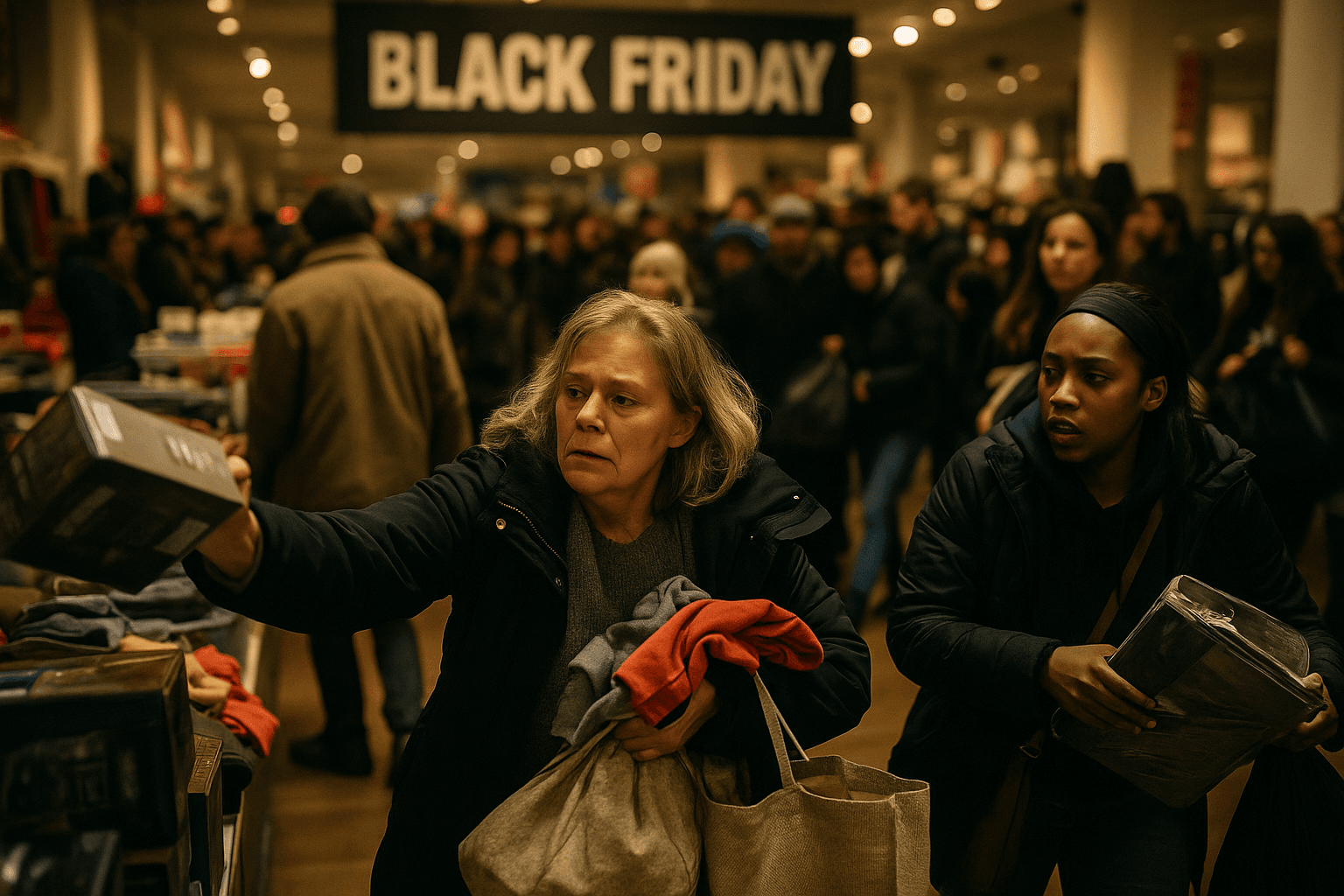
On Wall Street, consumer cyclical equities often respond quickly to holiday sales data as investors update revenue and margin forecasts for apparel, electronics and specialty retailers. A solid Black Friday helps justify more optimistic earnings scenarios, yet strategists warn that pronounced inventory mismatches or rising promotional intensity later in the season would temper any initial rally.
From an economic policy perspective, persistent consumer spending can support near term GDP growth and complicate disinflation efforts if it leads to sustained demand pressures. Policymakers will factor in sales strength alongside labor market readings and inflation indicators when assessing the outlook. Ultimately, November 30’s data provide a useful but incomplete signal. Whether the economy’s consumer backbone holds will depend on jobs, credit conditions and how retailers and logistic networks perform over the remaining weeks of the season.
This article was produced by Prism’s automated news system from verified source data, official records, and press releases, then run through automated quality and moderation checks before publishing. The system is built and supervised by the people who set the standards it runs under. Read our full AI policy.
Did this article answer your question?
%3Amax_bytes(150000)%3Astrip_icc()%2FCertificate-of-deposit-2301f2164ceb4e91b100cb92aa6f868a.jpg&w=1920&q=75)