Black Hammock Bee Farms Loses Nearly Half of Colonies After Freeze, Drought
Black Hammock Bee Farms in Oviedo lost nearly half its honeybee colonies after an unusually severe freeze and months of drought - head beekeeper Beth Langlois says she "cried a whole bunch."
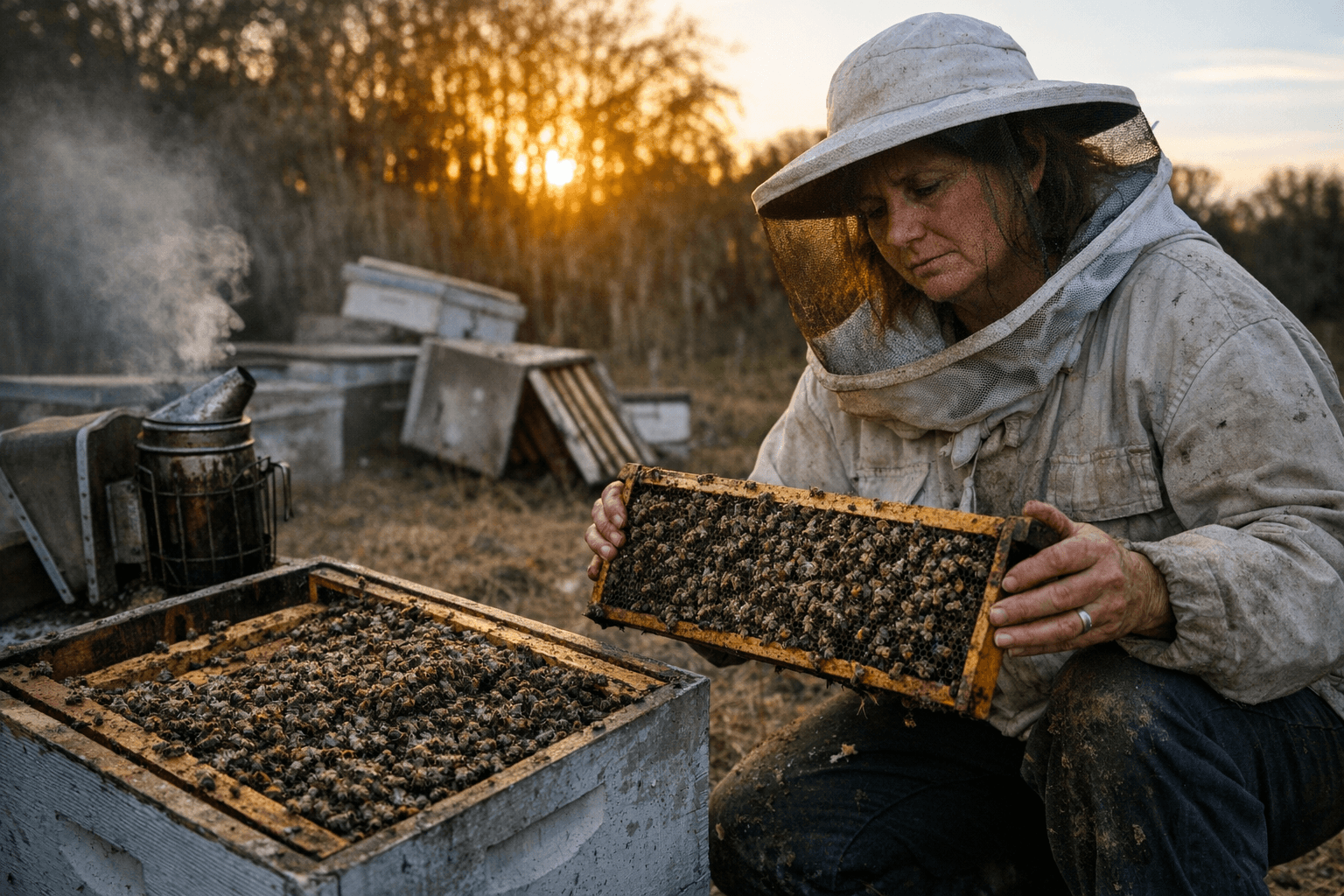
Black Hammock Bee Farms in Oviedo lost nearly 50% of its honeybee colonies after an unusually severe freeze followed by prolonged drought, owner Dennis Langlois said, calling the weather a "double hit" to the operation. The losses have left the farm without the nectar- and pollen-producing plants its bees depend on and forced beekeepers into emergency feeding measures.
Head beekeeper Beth Langlois described the scene as personal and immediate. "It was devastating. I felt really bad. I mean, I cried a whole bunch," she said, and added that cleanup crews found colonies that "froze to death" as they worked through hives that did not survive the cold. Langlois said the winter "wiped out much of the plants her bees depend on for survival."
Dennis Langlois summarized the mechanics of the loss in plain terms: "The plants that were affected by the freeze stopped the production of those foods. So whether that be pollen or nectar. But the drought is going to affect the next batch of plants that would be providing nectar and pollen to the bees." The combined effect, he said, first cut off existing food sources and now threatens the spring regrowth that would normally restore forage for the colonies.
On February 19, 2026, Black Hammock Bee Farms reported that beekeepers lost nearly half their colonies after the freeze and drought destroyed nectar- and pollen-producing plants the bees depend on for survival. With current floral sources absent, beekeepers at the Oviedo farm have turned to sugar water and supplemental feeding to try to sustain surviving colonies through the recovery period.
The damage at Black Hammock reflects broader strain across Central Florida beekeepers after unusually cold temperatures and a prolonged lack of rainfall. "Right now, we don’t have any plants that are producing nectar, as well as plants that are producing pollen," Beth Langlois said, underscoring a gap between surviving bees and the natural food web they require.
Experts say recovery could take months as vegetation and bee populations rebuild, and Dennis Langlois warned that drought could blunt the next flush of plants that would normally replace lost food supplies. For Black Hammock Bee Farms, the immediate tasks are supplemental feeding and monitoring surviving hives while awaiting the seasonal regrowth that will determine whether the operation can rebuild the colonies lost this winter.
Know something we missed? Have a correction or additional information?
Submit a Tip