Blast kills at least 55 in rebel-held Myanmar village
A noon blast ripped through a mining-explosives store in TNLA-held Shan State, killing at least 55 and exposing civilians to wartime risks.
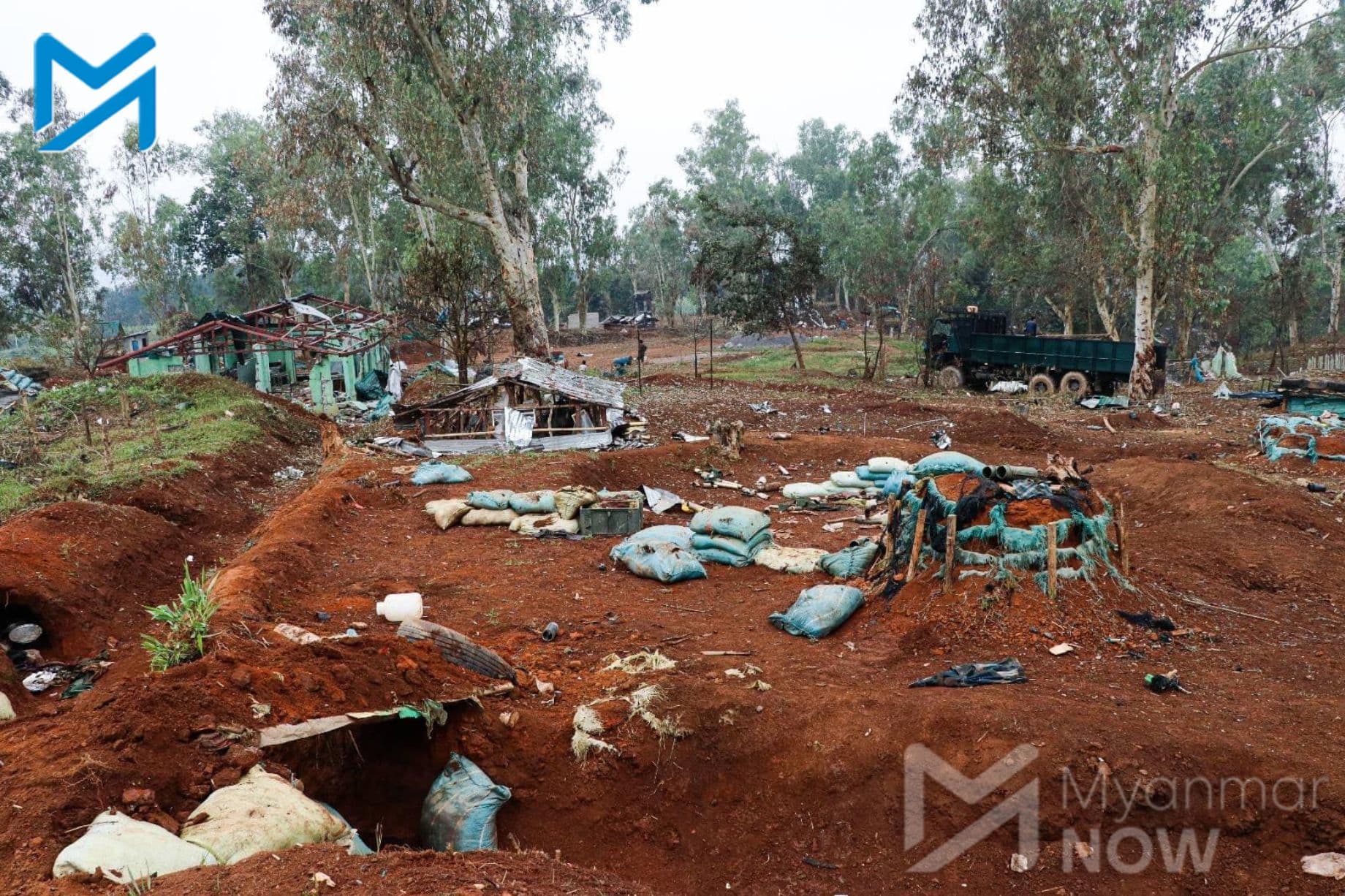
The explosion tore through a building in a rebel-held village in northeastern Myanmar, leaving at least 55 people dead, dozens more wounded and an entire community suddenly pushed into the danger of war even far from a formal battlefield.
The blast hit around noon on Sunday in Kaungtup, also identified in some reporting as Kaung Tat, in Namhkam Township, Shan State, near the Chinese border. Rescue workers and local media said the building had been storing explosives for mining, and the Ta’ang National Liberation Army, which controls the area, said the explosion appeared to have been accidental.
Children were among the dead, according to local and follow-up reporting. At least 70 other people were injured, and around 100 houses near the site were damaged. By evening, rescue efforts were still continuing as crews worked through wrecked buildings, smoke and rubble left behind by the blast.
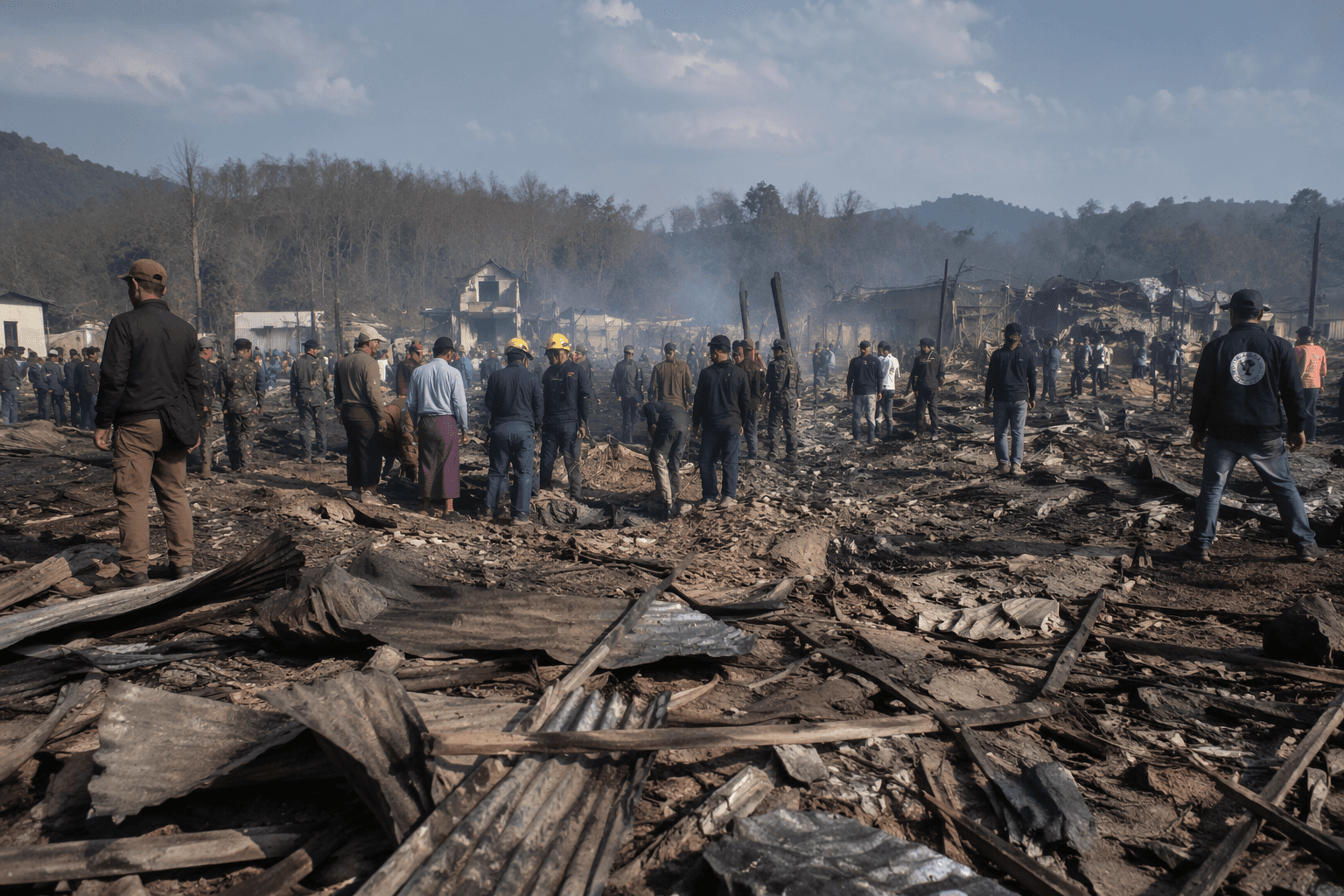
The toll underscored how civilian life in rebel-held territory has become increasingly exposed to hazards tied to conflict, mining and improvised storage of dangerous materials. In a township under TNLA control, ordinary residents live with the consequences of decisions made by armed authorities, local operators and wartime economies that bring explosives close to homes, markets and schools.
The scene also reflected the wider instability in Myanmar’s northeast, where control of territory remains contested and civilian safety systems are fragile or absent. A large crater and shattered structures at the site showed the force of the explosion, while the scale of the destruction suggested that the blast spread beyond the building itself into the surrounding village.
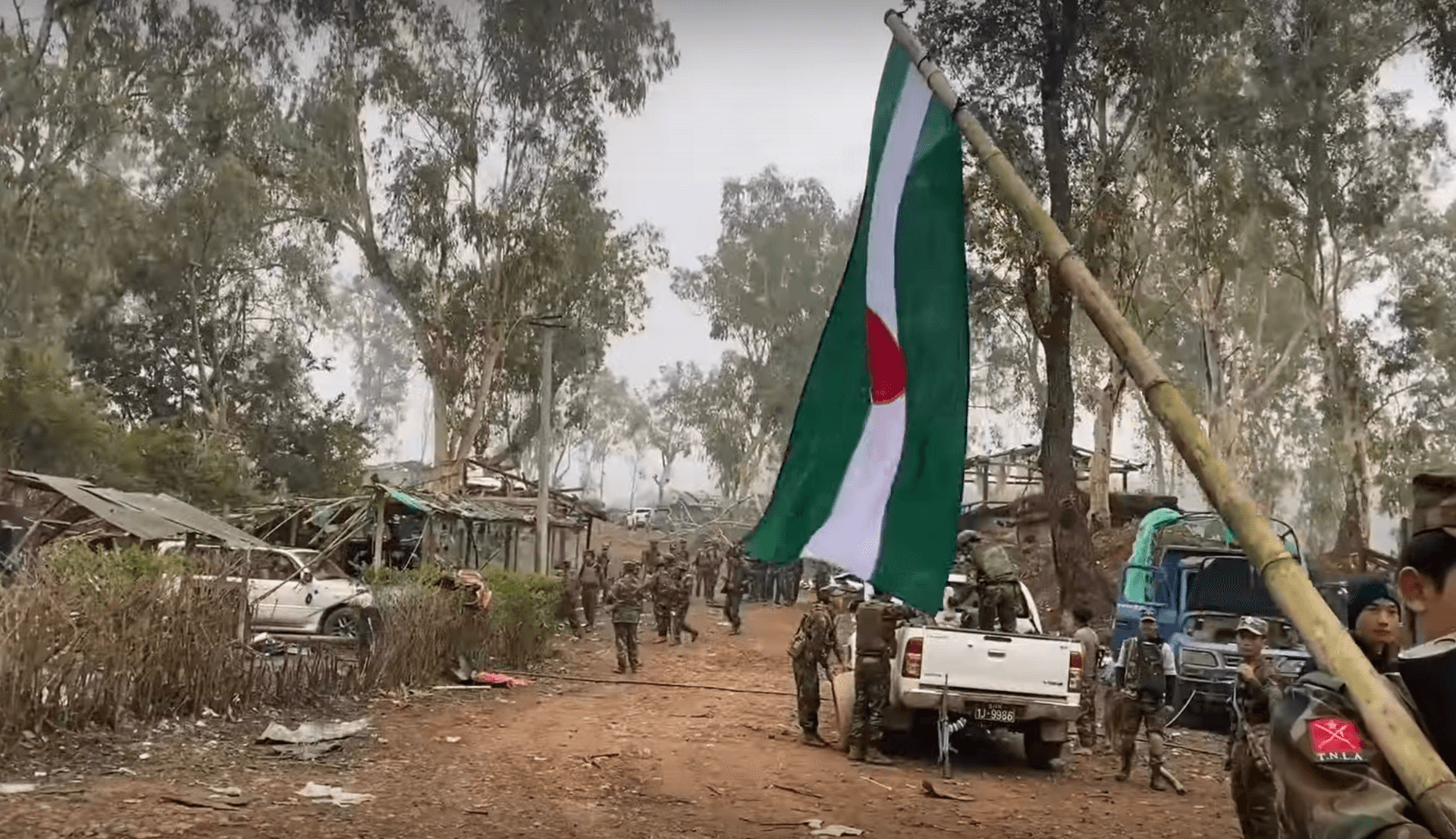
For families in Kaungtup, the damage was not limited to the dead and injured. Homes were flattened or badly damaged, rescue workers were still searching the area, and a community near the Chinese border was left reckoning with a catastrophe rooted in the everyday risks of war economy infrastructure.
This article was produced by Prism’s automated news system from verified source data, official records, and press releases, then run through automated quality and moderation checks before publishing. The system is built and supervised by the people who set the standards it runs under. Read our full AI policy.
Know something we missed? Have a correction or additional information?
Submit a Tip