Blind teen travels 140 miles for accessible cinema screening
Kate Winslet called after learning 14-year-old Eryn had travelled 140 miles for a Belfast screening because her local cinema had no audio-description headsets.

Kate Winslet was stunned into action after learning that 14-year-old Eryn, who has been blind since birth, had made a three-hour, 140-mile round trip from near Enniskillen in County Fermanagh to Belfast just to see a film with audio description.
Eryn’s family had searched for a screening of The Magic Faraway Tree, the adaptation of Enid Blyton’s book series, that included audio-description headsets. They found one in Belfast, but not at IMC Cinemas in Enniskillen, where Eryn lives. BBC News NI said it contacted IMC Cinemas for a response but received none.
Eryn, who was born with septo-optic dysplasia, said the journey was necessary because her local cinema could not accommodate her. She described the situation as “extremely disappointing” and said she wished more cinemas would offer audio description so blind and visually impaired people could enjoy cinema like everyone else.
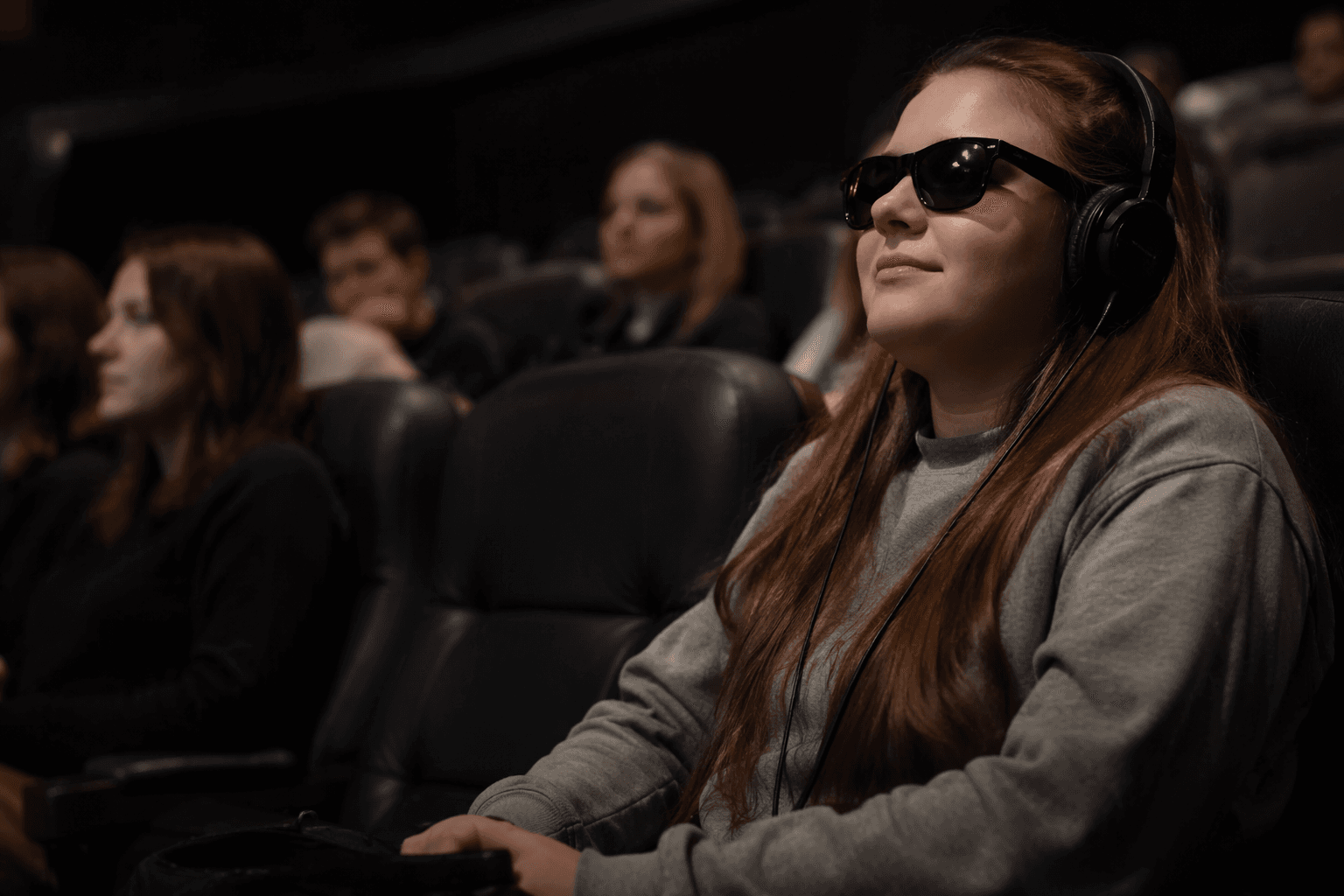
Winslet, who voiced the audiobooks for The Magic Faraway Tree series, said she was “absolutely staggered” that a child had to travel so far for a screening. The call turned a private frustration into a sharper public question: why should access to a mainstream cultural outing still depend on a long trip to a larger city?
The gap is not about the technology existing in principle. nidirect says cinemas in Northern Ireland do offer audio-described screenings, in which action, scene changes and body language are described as well as dialogue. ODEON says audio description is delivered through lightweight headphones and is available for some films. The UK Cinema Association says Accessible Screenings UK is a searchable listings database designed to help audiences find accessible screenings.
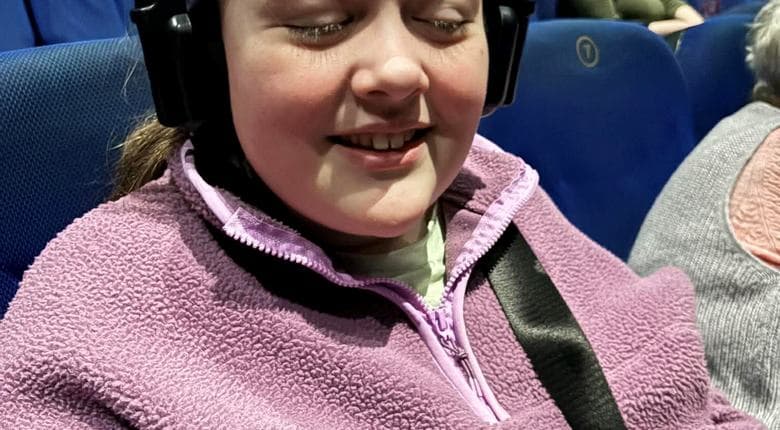
Even so, Eryn’s experience shows how uneven access can remain outside major urban centres. A 2002 BBC News report described a Belfast cinema trialling audio and subtitling technology for blind and deaf audiences, with blind patrons using headphones that relayed narration of visual action. More than two decades later, the basic problem endures for families in places such as County Fermanagh: if the nearest screen is not equipped, the choice is often a long journey or no cinema at all.
This article was produced by Prism’s automated news system from verified source data, official records, and press releases, then run through automated quality and moderation checks before publishing. The system is built and supervised by the people who set the standards it runs under. Read our full AI policy.
Know something we missed? Have a correction or additional information?
Submit a Tip