Blood-red total lunar eclipse draws early-morning crowd to Montana Learning Center
Dozens gathered at the Montana Learning Center in Helena to watch a blood-red total lunar eclipse that peaked at 4:33 a.m., with viewer photos coming from Helena, Great Falls, Missoula and Butte.
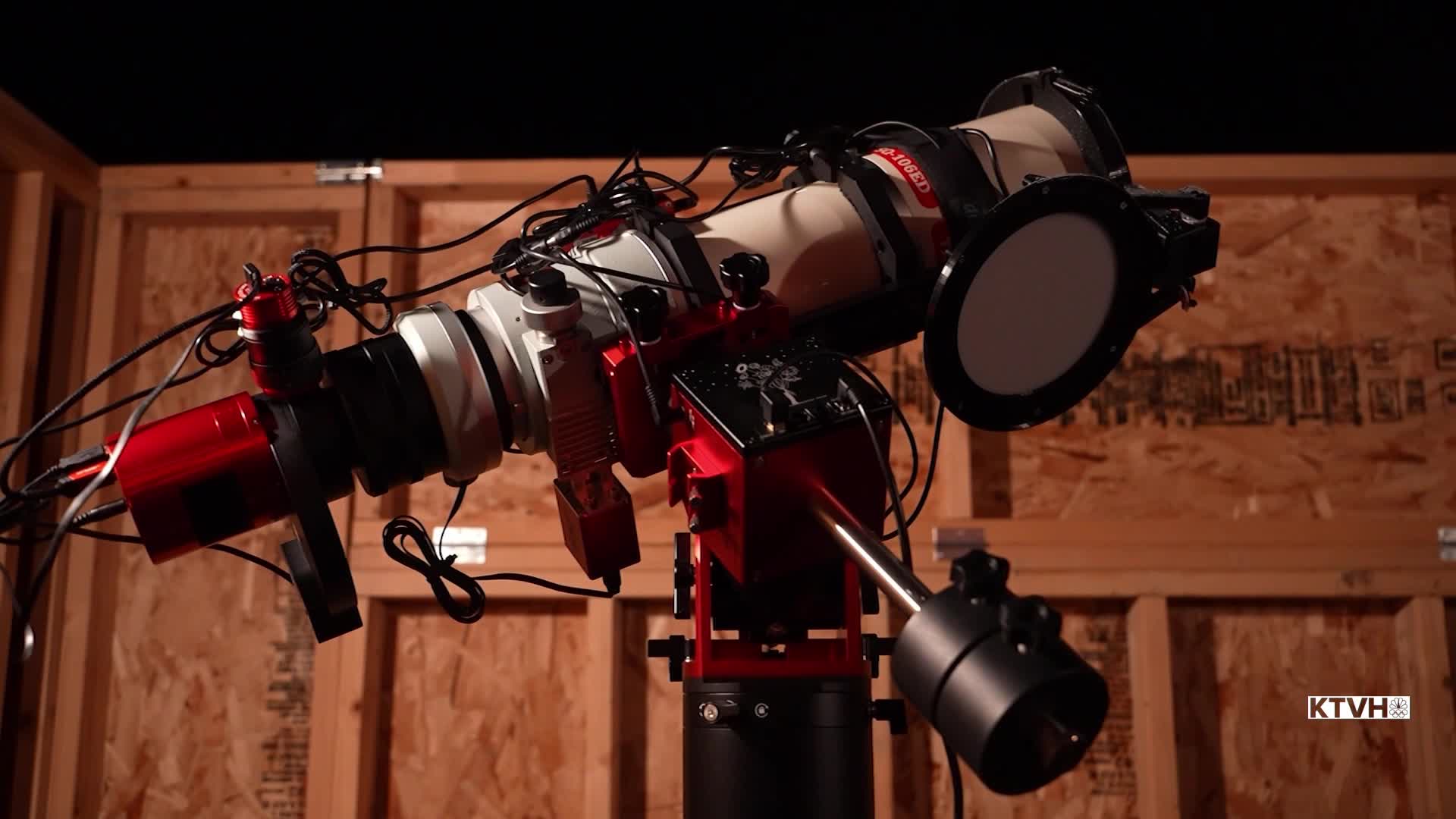
Dozens of people gathered at the Montana Learning Center in Helena to watch a blood-red total lunar eclipse early Tuesday morning, the station’s Helena bureau reported. The bureau’s account notes its coverage of the public viewing but the original copy stops mid-word after "the equipm", and the remainder of that sentence was not included in the available text.
Montana Standard reported the eclipse began at 4:04 a.m. and reached its maximum at 4:33 a.m., with the total phase visible for about an hour; KRTV corroborated the early-morning window, saying the eclipse was seen between 4 a.m. and 5 a.m. Observers across western Montana saw the moon darken and take on a burnt orange to "blood-red" color during the maximum phase.
Local and regional outlets explained the phenomenon in plain terms: KRTV wrote, "The total lunar eclipse happens when Earth passes between the sun and moon casting a shadow onto the moon, giving it that burnt orange or red color or what is called a 'blood moon'." MTN added a spectral explanation, describing the reddening as "red and orange light toward the moon due to their longer wavelengths."
Photographers and viewers from across the region contributed images that documented the event. KRTV collected viewer photos credited to Angel Napier, Helena; Patti Lander, Great Falls; Nick Adams, Missoula; Dawn Pierce, Boulder; John Harris, Cody, Wyoming; Jenn Maxwell, Great Falls; Amy Cooney, Potomac; and Steve Haycraft, Great Falls. The Montana Standard published "Blood Moon" images from Butte by photographer Megan Nielsen.
Practical viewing guidance accompanied coverage. MTN advised that "You do not need any special equipment to view a lunar eclipse, unlike a solar eclipse, which requires special glasses to protect your eyes. Although a camera, binoculars, or a telescope would certainly help." MTN also directed viewers to look west, noting "You can find the moon in the western sky near the constellation Leo during the time of the eclipse." Forecasters expected surface temperatures in the 20s and low 30s around the eclipse, and MTN cautioned, "so make sure to dress warm if you plan on heading out."
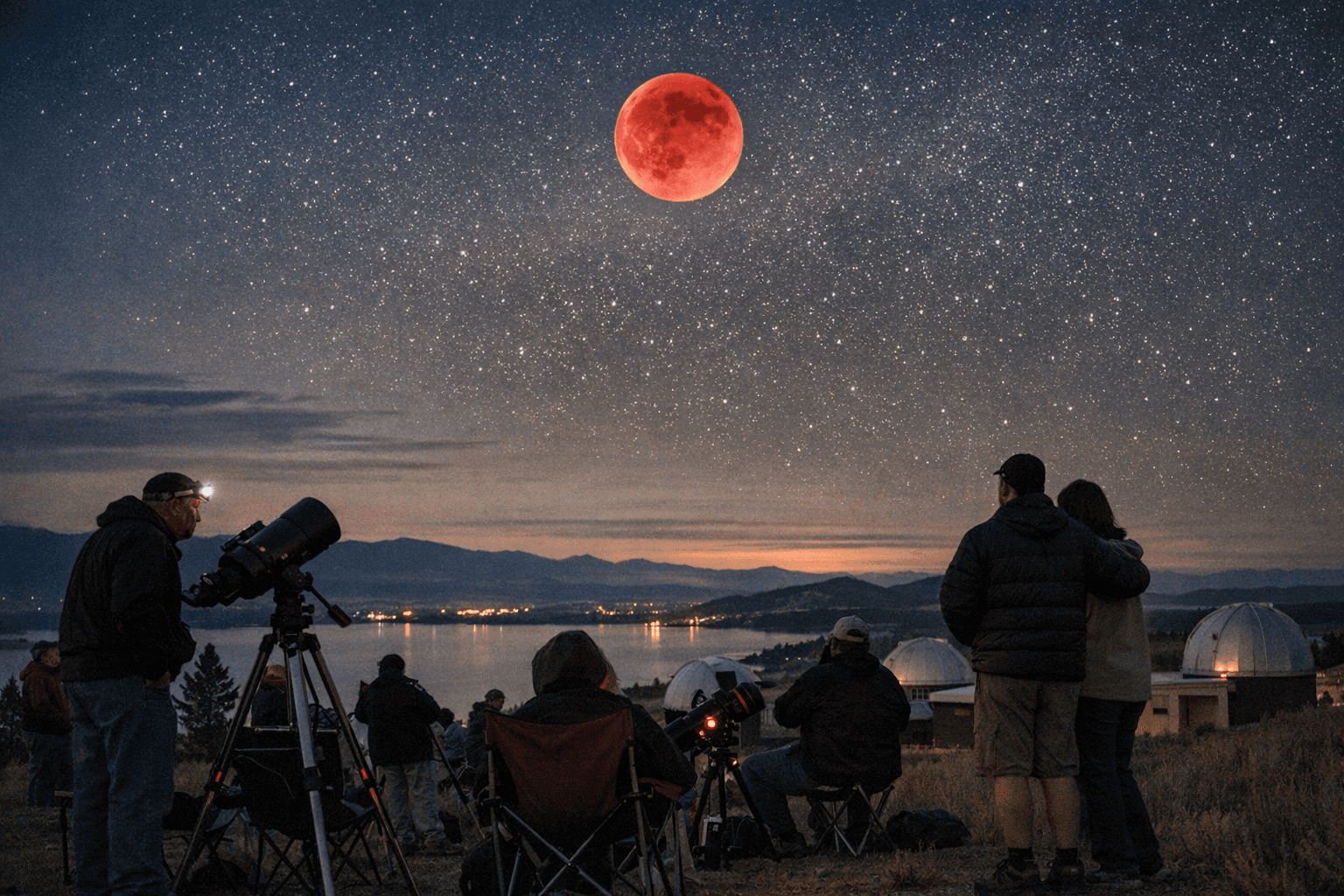
KRTV characterized Montana’s conditions favorably, saying "Montana had clear skies for a glimpse of the total lunar eclipse Tuesday morning." Observers submitted photos from multiple towns, underscoring how the event registered across the region from Helena to Great Falls, Missoula, Boulder, Potomac and Butte, with one submission from Cody, Wyoming.
For Montanans planning ahead, multiple outlets and Timeanddate list future eclipse dates visible from Helena. Key upcoming events include a partial lunar eclipse on Aug. 28, 2026; a total lunar eclipse on Dec. 31, 2028; and the next total lunar eclipse visible in Montana on June 26, 2029. Timeanddate’s schedule for Helena also lists Feb. 21, 2027; Aug. 17, 2027; Jan. 12, 2028; Jan. 14, 2029 (partial solar); Dec. 20, 2029; Dec. 9, 2030; May 7, 2031; Jun. 5, 2031; Oct. 30, 2031; Mar. 30, 2033 (total solar); Oct. 8, 2033 (total lunar); Sep. 28, 2034; Feb. 22, 2035; and Aug. 19, 2035.
Reporting on the March 3 event drew on local coverage and photographer submissions; photo credits available for this eclipse include Angel Napier (Helena), Patti Lander (Great Falls), Nick Adams (Missoula), Dawn Pierce (Boulder), John Harris (Cody, Wyo.), Jenn Maxwell (Great Falls), Amy Cooney (Potomac), Steve Haycraft (Great Falls) and Megan Nielsen (Butte).
Know something we missed? Have a correction or additional information?
Submit a Tip