Blowing dust advisory for Lordsburg Playa, I-10 corridor canceled Feb. 4
A blowing dust advisory for Lordsburg Playa and the I-10 corridor was issued then canceled Feb. 4, disrupting travel and prompting long detours for drivers.
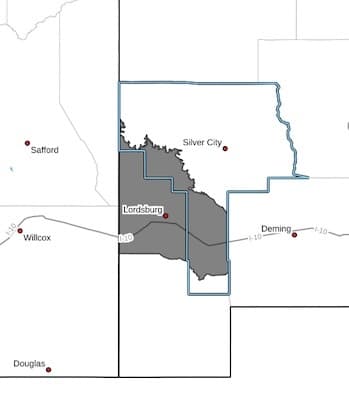
A blowing dust advisory that targeted the Lordsburg Playa and surrounding I-10 corridor on Feb. 4 raised immediate travel hazards for Hidalgo County commuters and interstate traffic. The National Weather Service issued the advisory at 11:30 AM MST and warned that visibility could fall sharply on the desert roadway, quoting: "BLOWING DUST ADVISORY IN EFFECT UNTIL 6 PM MST THIS EVENING... * WHAT...Visibility between one-quarter and one mile in blowing dust." The advisory was canceled later the same day; officials did not post a cancellation timestamp in the materials reviewed.
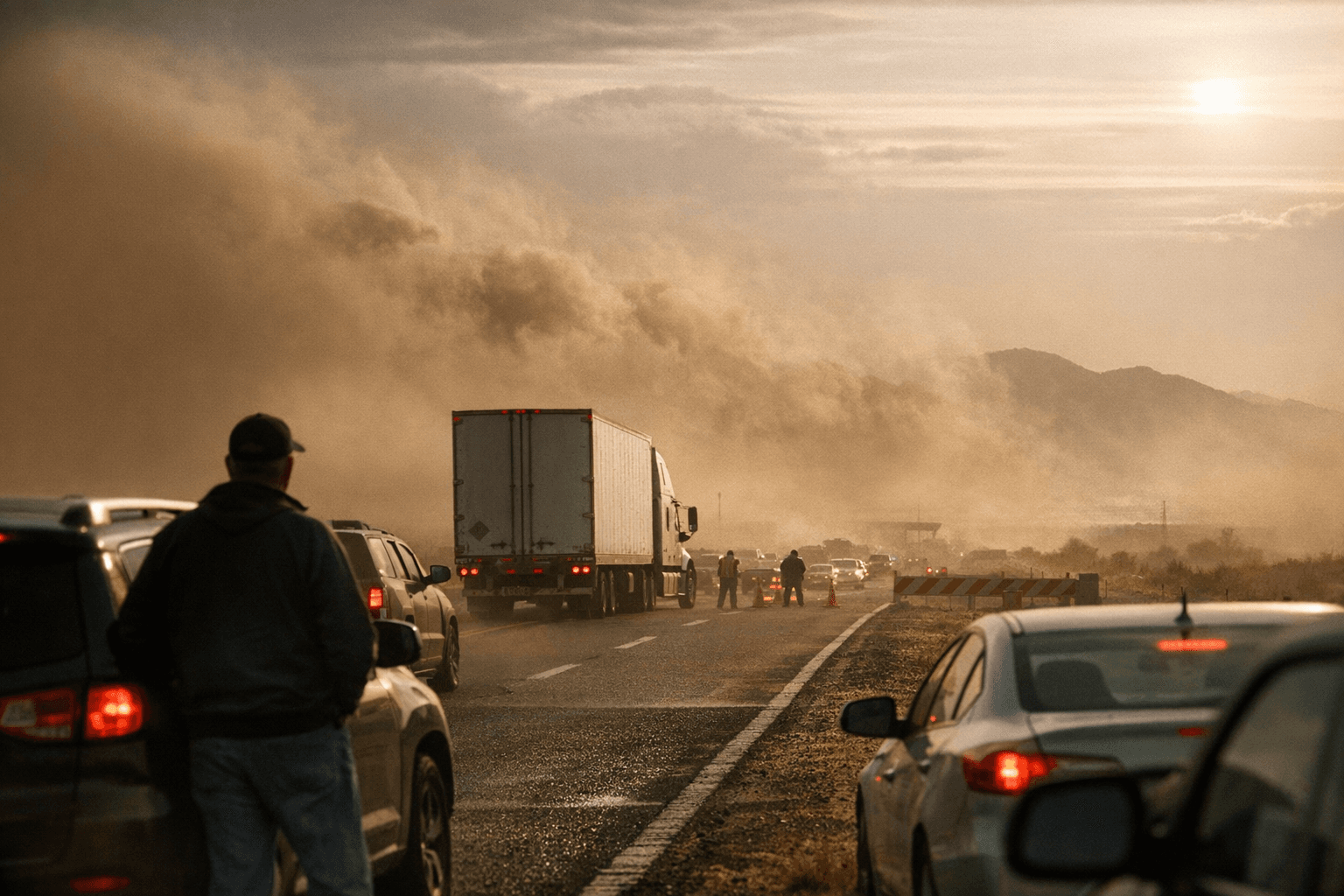
Authorities in Arizona and New Mexico took the threat seriously, temporarily shutting down both directions of Interstate 10 near the state line as high winds lofted dust across the flat playa. The closure stretched from Lordsburg, New Mexico, to US 191 just west of Bowie, Arizona, and state transportation officials urged drivers to follow a 100-mile detour via US 191 and US 70 to reach I-10 in Lordsburg. Law enforcement noted most of the dust was originating from the New Mexico side of the border during the event.
The Lordsburg Playa is not new to deadly dust events. Researchers and regional reporters have documented at least 41 deaths tied to dust-storm crashes at the playa over the past six decades. The site figures in scientific hotspot analyses that identify the I-10 crossing of Lordsburg Playa as one of the nation’s most dangerous locations for dust-related pileups. Experts stress that on the long, flat stretch between Las Cruces and the Arizona line, "all it takes is a gust, a fine layer of disturbed soil, and a few seconds of reduced visibility."
New Mexico and federal agencies have started investing in mitigation. The New Mexico Department of Transportation has secured approximately $2 million in federal funding for remote cameras, dust monitors, land rehabilitation, soil stabilization, and wind erosion control on the playa and nearby emissive lands. New Mexico state climatologist Dr. Dave DuBois framed the hazard in blunt terms: “You’ve got a dry playa, drought conditions, high spring winds and one of the busiest corridors in the state. That’s a recipe for disaster.” Arizona transportation planners have also recommended major detour upgrades on their side of the line, with project estimates exceeding $60 million.
For Hidalgo County residents and travelers, the Feb. 4 event is a reminder that high-wind periods can close a vital east-west artery with little notice. Drivers should plan alternate routes when advisories are posted, allow extra travel time, and monitor official bulletins before using I-10. State and federal mitigation efforts are under way, but long-term fixes will require sustained funding and coordination across New Mexico, Arizona, federal land managers, and researchers to reduce the risk on this notorious stretch of highway.
Sources:
Know something we missed? Have a correction or additional information?
Submit a Tip