Blue-and-Gold macaw Louie’s rehabilitation exposes bonding challenges in older parrots
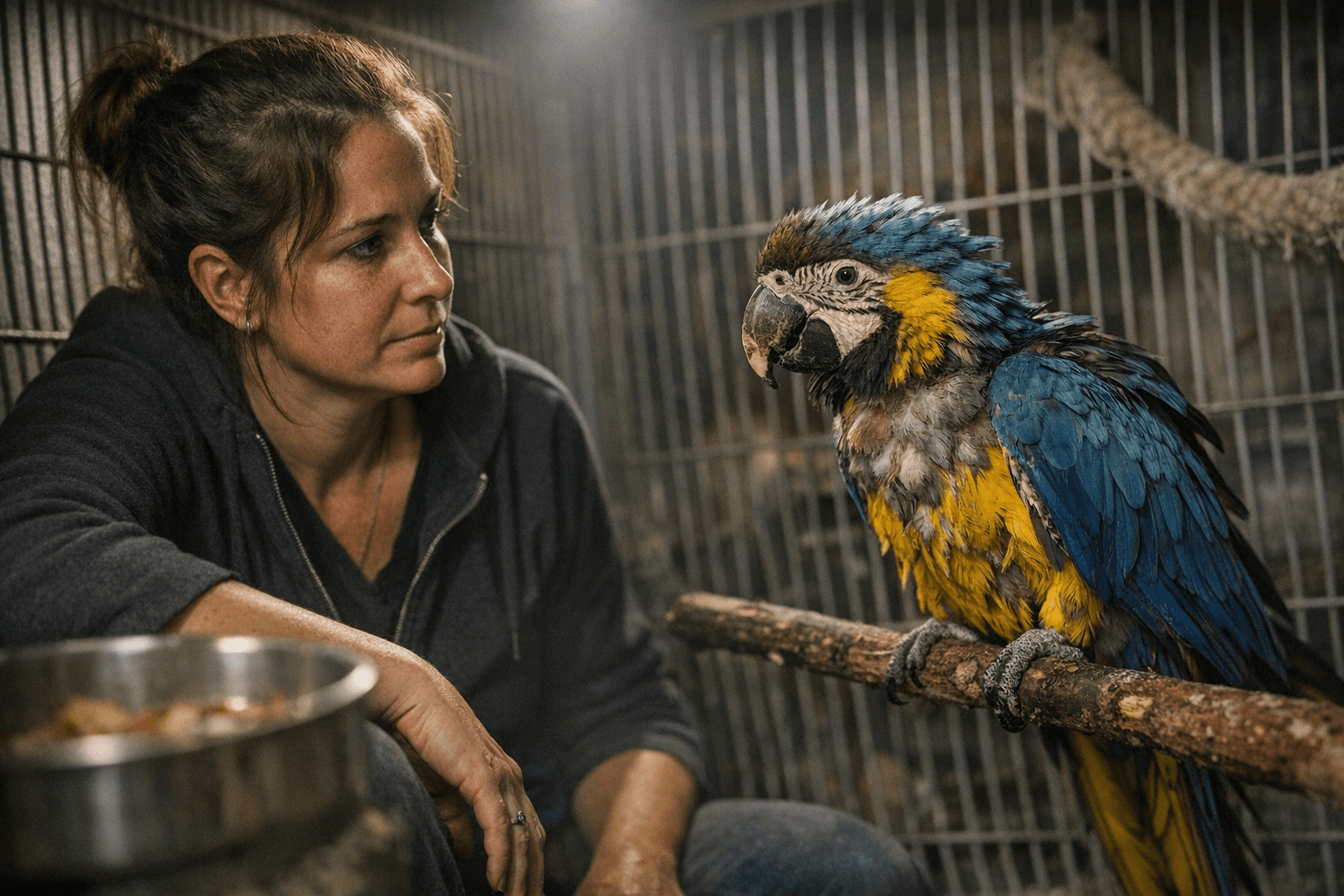
Louie, a Blue-and-Gold (Blue-and-Yellow) macaw who “spent many years in poor conditions,” was rescued and re-homed by a guardian named Kelsey and now faces slow rehabilitation and difficult bonding.
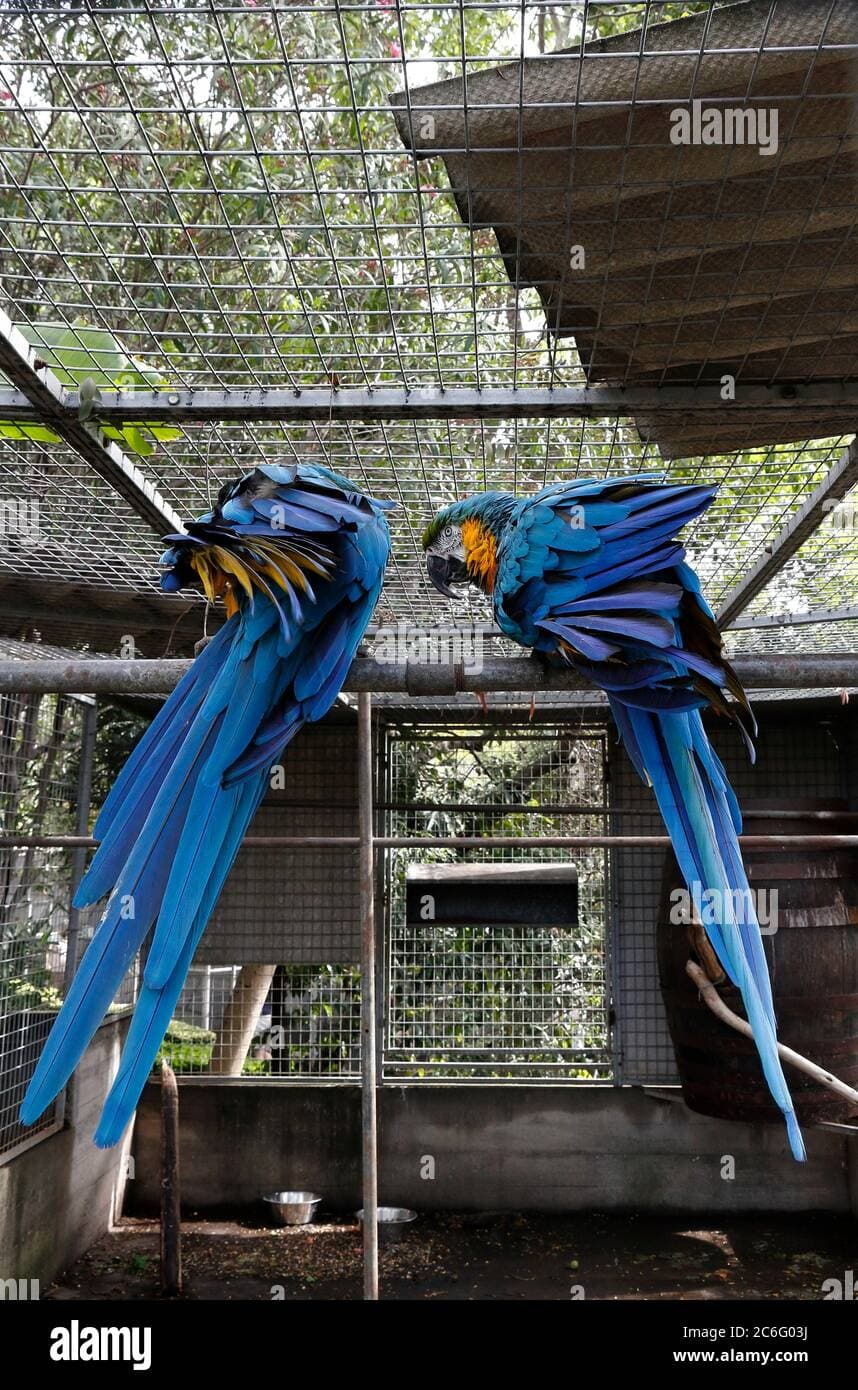
Louie, a Blue-and-Gold (Blue-and-Yellow) macaw, spent many years in poor conditions before being rescued and re-homed by a guardian named Kelsey, a human-interest profile published Feb. 25, 2026 reports. The profile frames Louie’s recovery as a slow, uncertain road toward rehabilitation and social bonding, and places the bird’s behavior challenges at the center of his care needs.
That Feb. 25, 2026 profile recounts Louie’s past and states he was reportedly confined in a small cag - the supplied excerpt is truncated and does not complete the original sentence. The article names Kelsey as the guardian who re-homed Louie but gives no last name, no city or state, and no rescue organization or veterinary records in the excerpt provided; the timeline of the rescue and Louie’s age and medical condition on arrival are also not included.
Social-media content linked to the story supplies behavioral context: the collected material notes topics including bonding with a foster macaw, pet training tips for birds, challenges of handling macaws, creating bond with pet birds, and animal rescue stories. The key facts explicitly state that the content mentions Louie bonding with a foster macaw and provides pet training tips for birds, but no TikTok handles, post dates, or transcripts were supplied with the summary and therefore the original posts remain unverified in this account.
The facts available show a case common among older parrots: long-term confinement followed by re-homing can create entrenched fear, attachment issues, or handling challenges that complicate rehabilitation. In Louie’s case, Kelsey’s decision to re-home the bird has begun a documented process of care and attempted socialization, including interactions with a foster macaw mentioned in the material; however, specifics such as the foster bird’s name, duration of the foster placement, exact training methods used, and veterinary assessments were not provided in the sources reviewed.
Key gaps remain in the public account: the Feb. 25, 2026 profile does not list the rescue’s name, no veterinary records or behavioral evaluations accompany the narrative, and the single excerpted phrase about confinement is truncated. Those missing items matter for understanding Louie’s medical needs, the timeline of rehabilitation, and which training approaches were attempted when Kelsey began re-homing the bird.
Louie’s story, as presented in the Feb. 25, 2026 profile and reinforced by social-media themes about bonding with a foster macaw and pet training tips for birds, underscores the labor-intensive, evidence-driven work older parrots typically require after rescue. Concrete documentation of rescue history, veterinary care, and step-by-step training remains essential to judge progress in Louie’s rehabilitation and to offer reliable guidance to others facing similar re-homing decisions.
Know something we missed? Have a correction or additional information?
Submit a Tip