Blue states push 100% tax on Trump's anti-weaponization payouts
Blue states are moving to tax Trump’s $1.776 billion anti-weaponization payouts at 100%, setting up a national court fight over federal payments.
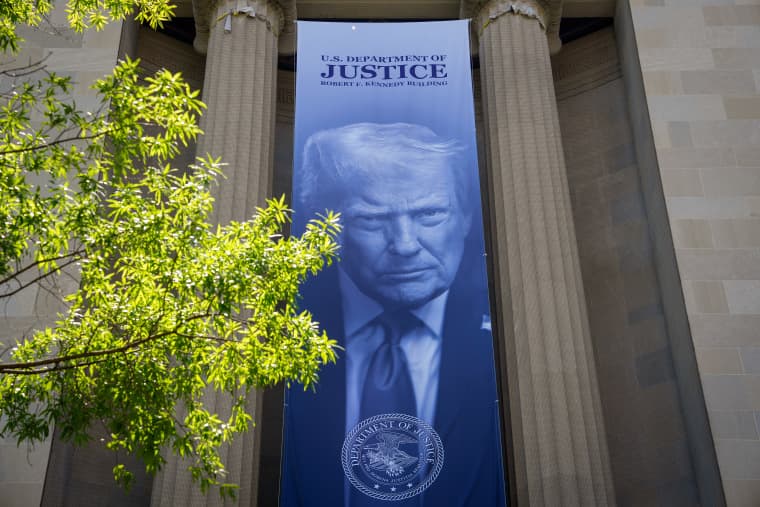
California, New York and Illinois are racing to test a hard edge of federalism: whether states can punish recipients of a federally created Trump settlement fund by taxing every dollar away. The emerging plan would impose a 100% state tax on payouts from the Justice Department’s Anti-Weaponization Fund, a $1.776 billion pool announced on May 18 and tied to President Donald J. Trump v. Internal Revenue Service.
The Justice Department said the fund was created as part of a settlement involving Donald J. Trump, Donald J. Trump, Jr., Eric Trump and the Trump Organization, LLC, in a case that began after the leak of Trump tax returns. Supporters say the fund is meant to provide a process to hear and redress claims from people who say they suffered “weaponization and lawfare.” Critics see something else entirely, warning that the money could flow to people tied to the Jan. 6, 2021, attack on the United States Capitol.
California Gov. Gavin Newsom said on May 27 that his state would try to tax 100% of any payout received by a California resident from the fund. In Sacramento, he framed it as a state action California could take against what he called Trump’s “slush fund.” The move quickly became a model for other Democratic-led states looking for leverage over the federal payout mechanism.
Illinois moved first on paper. State Rep. Bob Morgan filed House Bill 5794 on May 27, creating the Anti-Weaponization Fund Tax Act. The bill would impose a tax equal to 100% of any compensation an Illinois resident receives from the federal fund, and it would send the proceeds to Illinois’s General Revenue Fund. In New York, a lawmaker introduced a similar proposal, and NBC News reported that the measure would require residents who tap the fund to pay a 100% state income tax on the money.
Democratic state lawmakers have been coordinating across state lines, sharing draft language and lining up a broader response. New York Gov. Kathy Hochul signaled on May 29 that she was open to such legislation, giving the idea added momentum in Albany and beyond.
The legal confrontation may arrive fast. On May 30, a federal judge temporarily blocked payouts from the settlement fund, and Jan. 6 officers sued to stop it, calling it a “slush fund” for “insurrectionists.” Even if states enact their own tax bills, they could run into the constitutional doctrine of intergovernmental tax immunity, which limits when states may tax federal payments or compensation. That sets up a possible challenge that could move beyond Trump and into a broader precedent about whether states can use tax policy as retaliation against federally created benefits.
This article was produced by Prism’s automated news system from verified source data, official records, and press releases, then run through automated quality and moderation checks before publishing. The system is built and supervised by the people who set the standards it runs under. Read our full AI policy.
Did this article answer your question?

