Boeing says Air Force One replacement on track for 2028, costs rise
Boeing still says the Air Force One replacement will arrive in 2028, but the bill has climbed above $5 billion from $3.9 billion, raising fresh oversight questions.
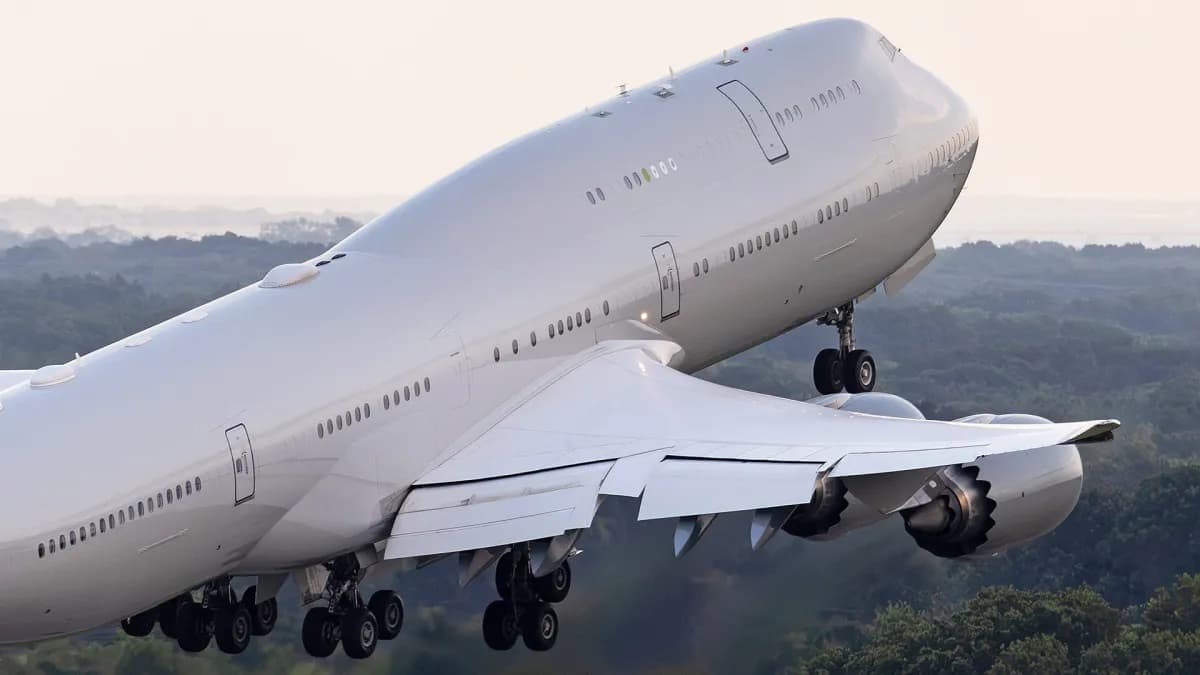
Boeing said the long-delayed Air Force One replacement remains on track for 2028, but the price has climbed sharply and the company is expected to absorb the overruns under its fixed-price deal with the U.S. Air Force. The two presidential jets, known as VC-25B, now carry a cost of more than $5 billion, up from the $3.9 billion contract Boeing won in 2018.
That gap has made the program a test case for federal procurement accountability. The original deal called for two 747-8 aircraft to be delivered by December 2024, but the schedule slipped repeatedly as Boeing worked through design changes, supplier problems and the specialized systems needed for presidential transport. The Air Force later said it expected the first VC-25B by mid-2028, and Boeing’s latest guidance points to both aircraft arriving in 2028.
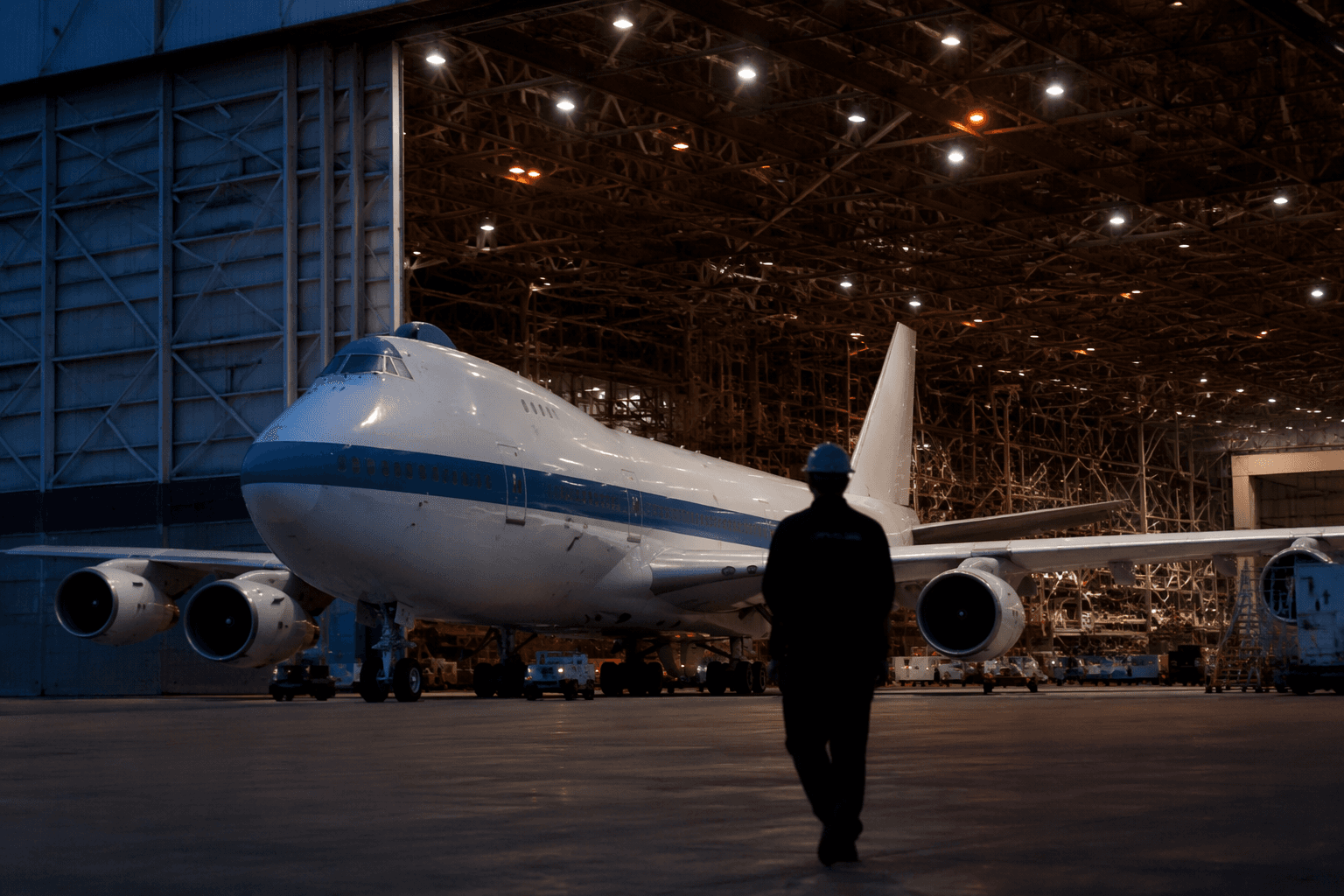
The Air Force One replacement matters far beyond one airplane program because it sits at the intersection of presidential security, defense spending and Boeing’s execution record. The current presidential aircraft are VC-25A jets, which are specially configured Boeing 747-200B aircraft. The replacement planes must integrate secure communications, defensive capabilities and other mission-specific equipment into a large commercial airframe, a level of complexity that helps explain why the project has been so slow and so much more expensive.
The cost growth also lands at a politically sensitive moment. President Donald Trump pressed Boeing hard over the project and had publicly argued that the price should not exceed $4 billion. More recently, Boeing chief executive Kelly Ortberg has criticized the terms of the Air Force One deal, which left Boeing exposed to rising costs under a fixed-price arrangement. The Air Force has also bought two extra 747-8s for parts and training, a sign that the service has had to support the aging VC-25A fleet while waiting for the replacement program to catch up.
For Boeing, the contract has become a visible measure of whether the company can deliver on a mission-critical government program without further slippage. For the Pentagon, it is a reminder that oversight does not end when a contract is signed. The latest update shows progress on schedule, but the rising bill confirms that the burden of the overruns is falling on Boeing, not the taxpayer.
This article was produced by Prism’s automated news system from verified source data, official records, and press releases, then run through automated quality and moderation checks before publishing. The system is built and supervised by the people who set the standards it runs under. Read our full AI policy.
Did this article answer your question?