Boeing Sees 737 and 787 Deliveries Rising, Free Cash Flow Return
Boeing's chief financial officer told investors today the company expects higher deliveries of 737 and 787 jets in 2026 and anticipates a return to positive free cash flow next year, signaling a potential turning point for the planemaker. The remarks, delivered at a UBS conference, lifted Boeing shares in early trading and underscore the firm's push to stabilize production and meet a long term cash flow goal of 10 billion dollars.
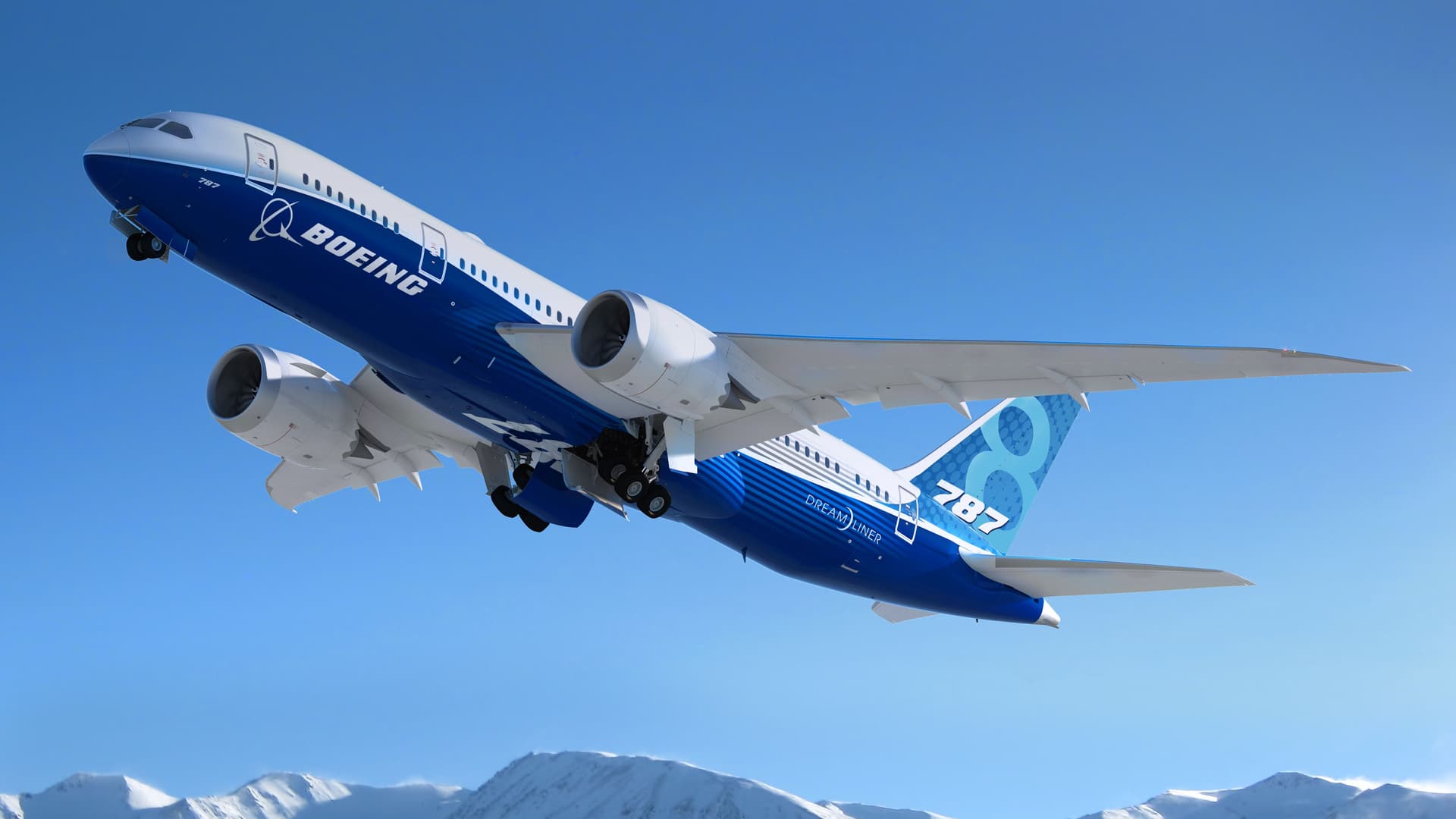
Boeing told investors and analysts at a UBS conference on December 2, 2025 that it expects higher deliveries of its 737 and 787 jets in 2026 and that free cash flow will return to positive territory next year. Company executives said improvements across Boeing's defense and space business along with a ramp in narrow body deliveries will support margin recovery and help the company pursue a long term free cash flow target of 10 billion dollars.
The chief financial officer framed the outlook as a function of production stabilizing and certification processes progressing. Boeing continues to confront certification and production challenges that have constrained deliveries over the past years, but management emphasized that steadying output should translate into improved delivery cadence and cash generation in 2026. The comments were enough to buoy the stock in early trading, a sign investors are receptive to a clearer path back to profitability and balance sheet repair.
For markets and suppliers, a credible recovery in deliveries matters because it affects revenue recognition, supplier workloads, and inventory management across the aerospace supply chain. When Boeing increases deliveries, airlines receive aircraft they can place into service or monetize, which in turn eases capacity constraints and may influence used aircraft values and lease rates. For Boeing, converting production into delivered units is the key mechanism for turning backlog into cash, which is vital as the firm chases its 10 billion dollar free cash flow objective.
Policy and regulatory context remains salient. Certification hurdles have been central to past delivery shortfalls, and any acceleration in certification outcomes would reduce uncertainty for airlines, lessors, and suppliers. Regulators and Boeing will remain under scrutiny to ensure safety and compliance as production rates change. The defense and space segment, identified by Boeing as a contributor to margin recovery, provides diversification that can smooth earnings volatility tied to commercial cycles, though that business has its own program risks and timing considerations.

Broader industry trends will shape how meaningful Boeing's projections prove to be. Global air travel demand has rebounded since the pandemic era and remains a structural driver of aircraft replacement and fleet expansion, yet financing costs for airlines and lessors have risen relative to earlier years, which can influence delivery acceptance timing and order conversion. For Boeing, restoring reliable deliveries and demonstrating consistent positive free cash flow will be critical to rebuilding investor confidence after years of operational disruptions.
Investors will watch 2026 delivery schedules and quarterly cash flow figures closely to judge whether the company can translate the promise of stabilized production into sustainable financial improvement.
This article was produced by Prism’s automated news system from verified source data, official records, and press releases, then run through automated quality and moderation checks before publishing. The system is built and supervised by the people who set the standards it runs under. Read our full AI policy.
Did this article answer your question?