Bolivia clears roadblocks as lawmakers back state of emergency
Fuel trucks were rolling back into La Paz and roadblocks fell to 28, but a jet crash that killed six showed Bolivia’s relief remained fragile.
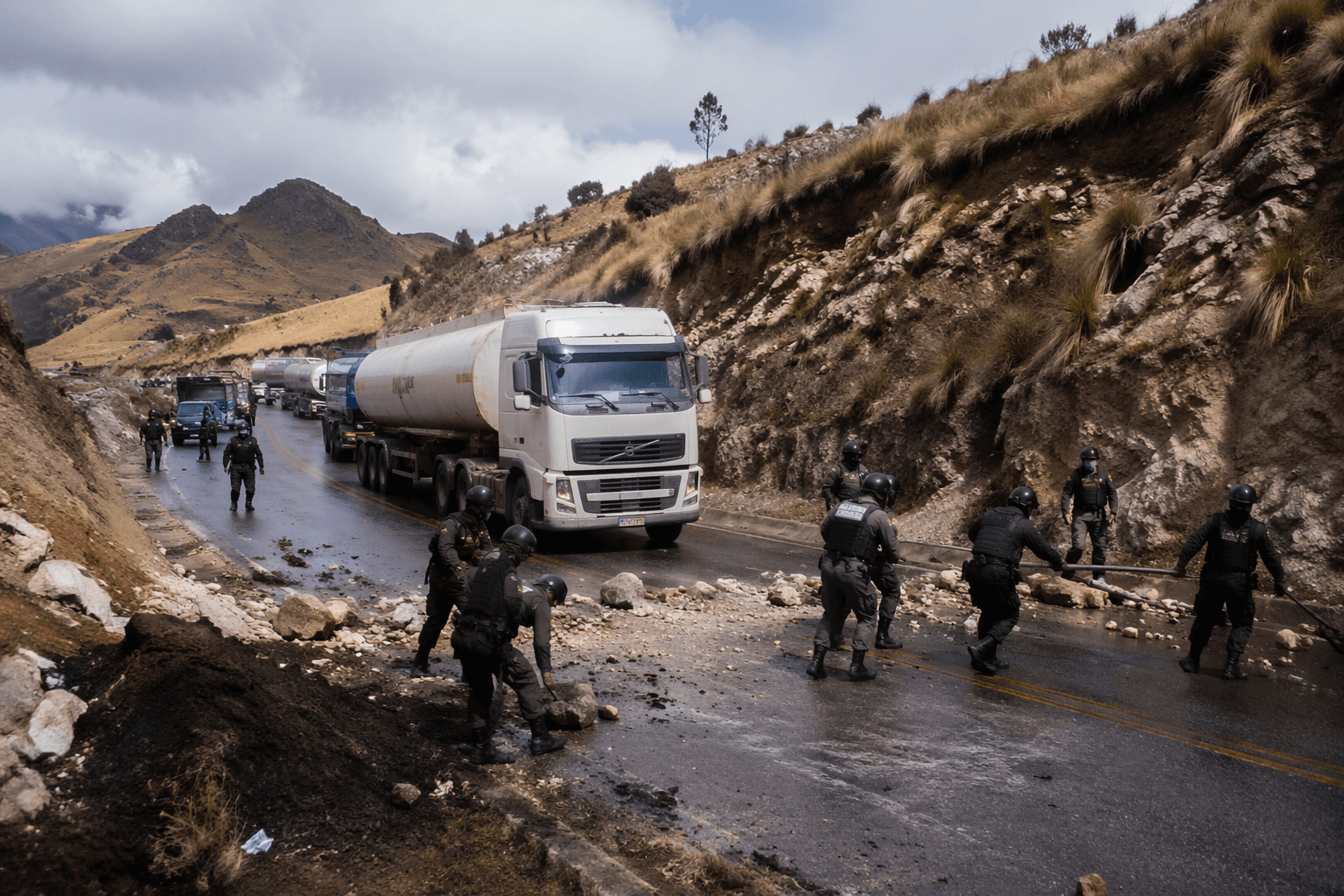
Fuel trucks were rolling back into La Paz and the number of roadblocks had dropped to 28 after a series of breakthroughs with protesters, a small but real sign that Bolivia’s 50-day crisis was easing. Lawmakers then overwhelmingly backed President Rodrigo Paz’s state of emergency, giving security forces broader power to clear blockades and bar road closures. The improvement was real, but so was the strain: at least 14 people had died in the unrest, and a military plane crash later in the day killed six more.
The emergency, declared Saturday, June 20, 2026, was designed to restore transit and supply lines after weeks of disruption that had choked food, fuel and medicine in much of the country. Police and bulldozers were being used to reopen highways, and the first convoys of fuel were beginning to move again as road links were restored. AP said the blockades had isolated La Paz and other major cities, while Reuters reported that the crisis had paralyzed the economy.
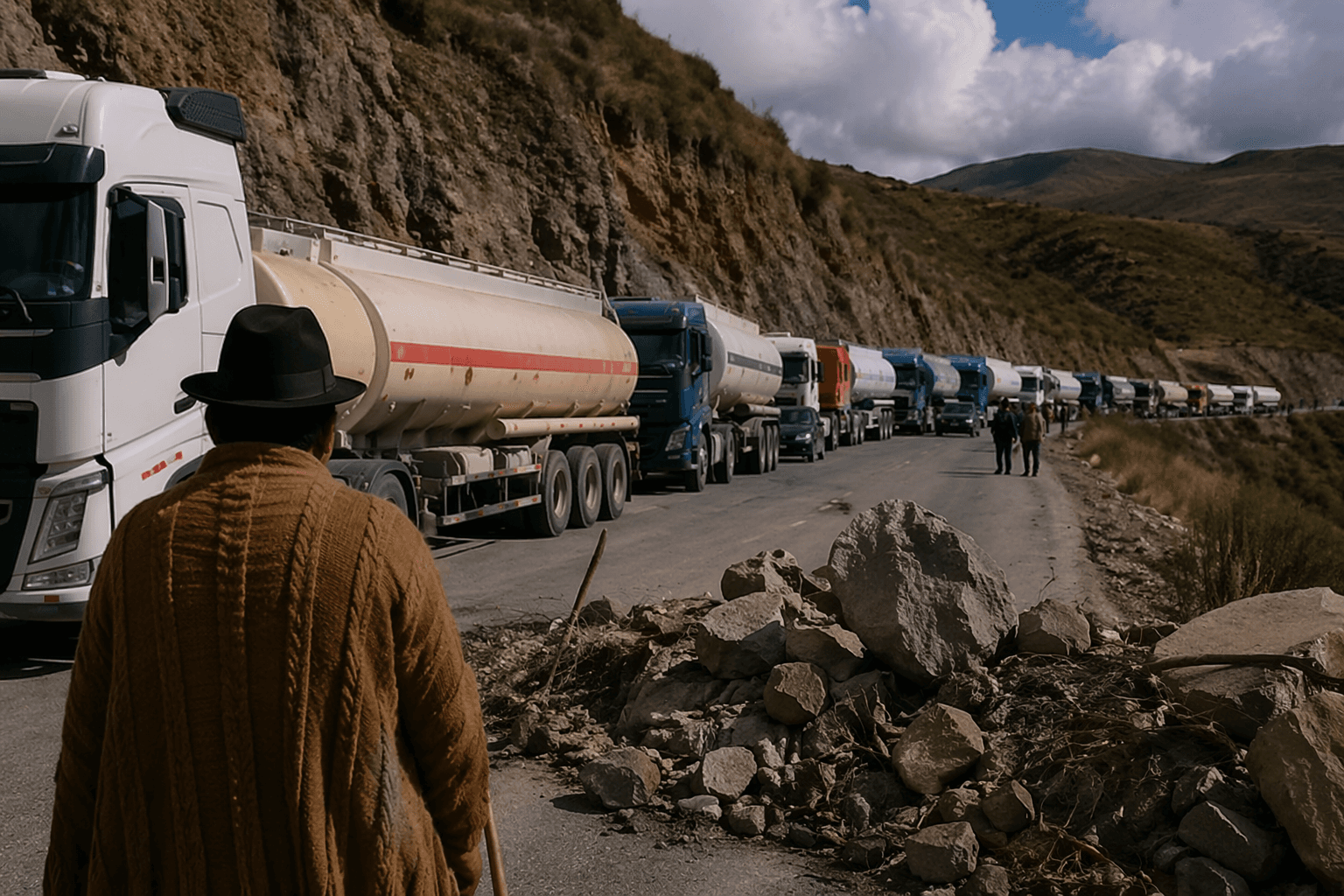
The decree widened the military’s authority to clear blockades and prohibited blocking roads and highways, a sharp escalation that reflected how deeply the unrest had spread. In Santa Cruz, officials and protest leaders signed an agreement that lifted a critical blockade in San Julian, one of the key breakthroughs that helped reduce pressure on the main highways. The Tupac Katari campesino federation in La Paz paused its protests, but said its demands remained unresolved, including economic relief, repeal of several government decrees, political and labor protections and action on fuel quality.
That pause does not amount to a settled peace. Reuters reported that many roads still need significant cleanup and repair after weeks of damage, and former president Evo Morales said on social media that his stronghold in the Tropics of Cochabamba was dealing with power outages, phone disruptions and banking restrictions, a sign that the emergency has reached far beyond the roads themselves. The crisis has also exposed how quickly transport blockades can spill into daily life, cutting off communities from basic services and deepening a wider economic strain.
The day ended with another blow to a country already under stress. A Bolivian air force Cessna FAB-409 on an assistance flight from El Alto to Cochabamba crashed in the high Andes, west of Cochabamba, killing all four civilians and both crew members aboard. The defense ministry did not identify a cause. The aircraft had recently been used to transport children with cancer to treatment centers during the blockade crisis, making the crash an especially painful reminder of how thin Bolivia’s emergency response capacity had become.
This article was produced by Prism’s automated news system from verified source data, official records, and press releases, then run through automated quality and moderation checks before publishing. The system is built and supervised by the people who set the standards it runs under. Read our full AI policy.
Did this article answer your question?