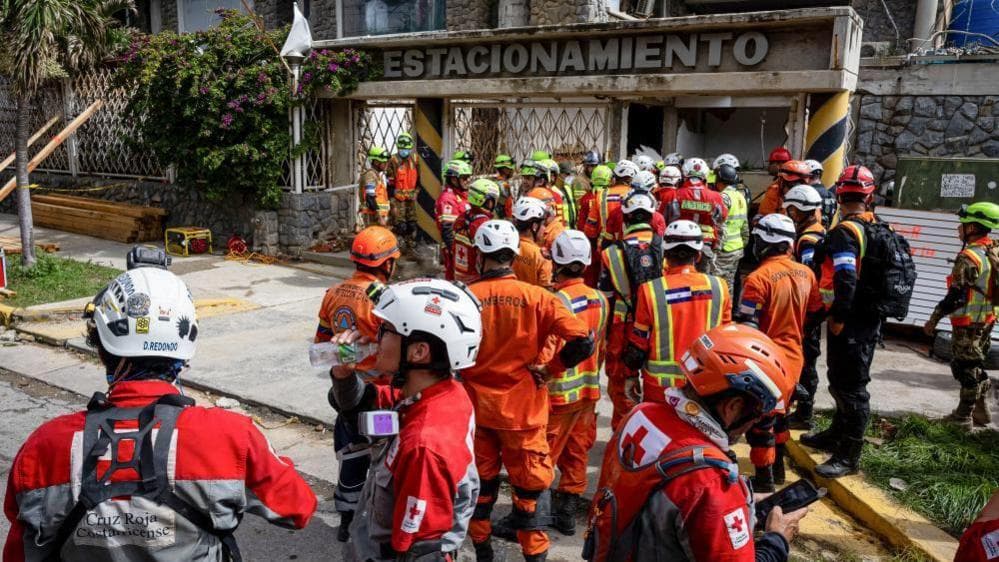
Bolivia’s leftist coalition unravels as protesters demand Arce’s ouster
Fuel shortages, dollar scarcities and a split MAS have turned Bolivia’s political comeback into a crisis of legitimacy.

Road blockades, empty fuel pumps and a legislature frozen by factional warfare have turned Luis Arce’s victory into something closer to a warning. In Bolivia, the political price of economic pain is now showing up in the streets, where protesters are demanding Arce’s ouster and many voters who once backed the left say the promises of stability have curdled into shortages, inflation and distrust.
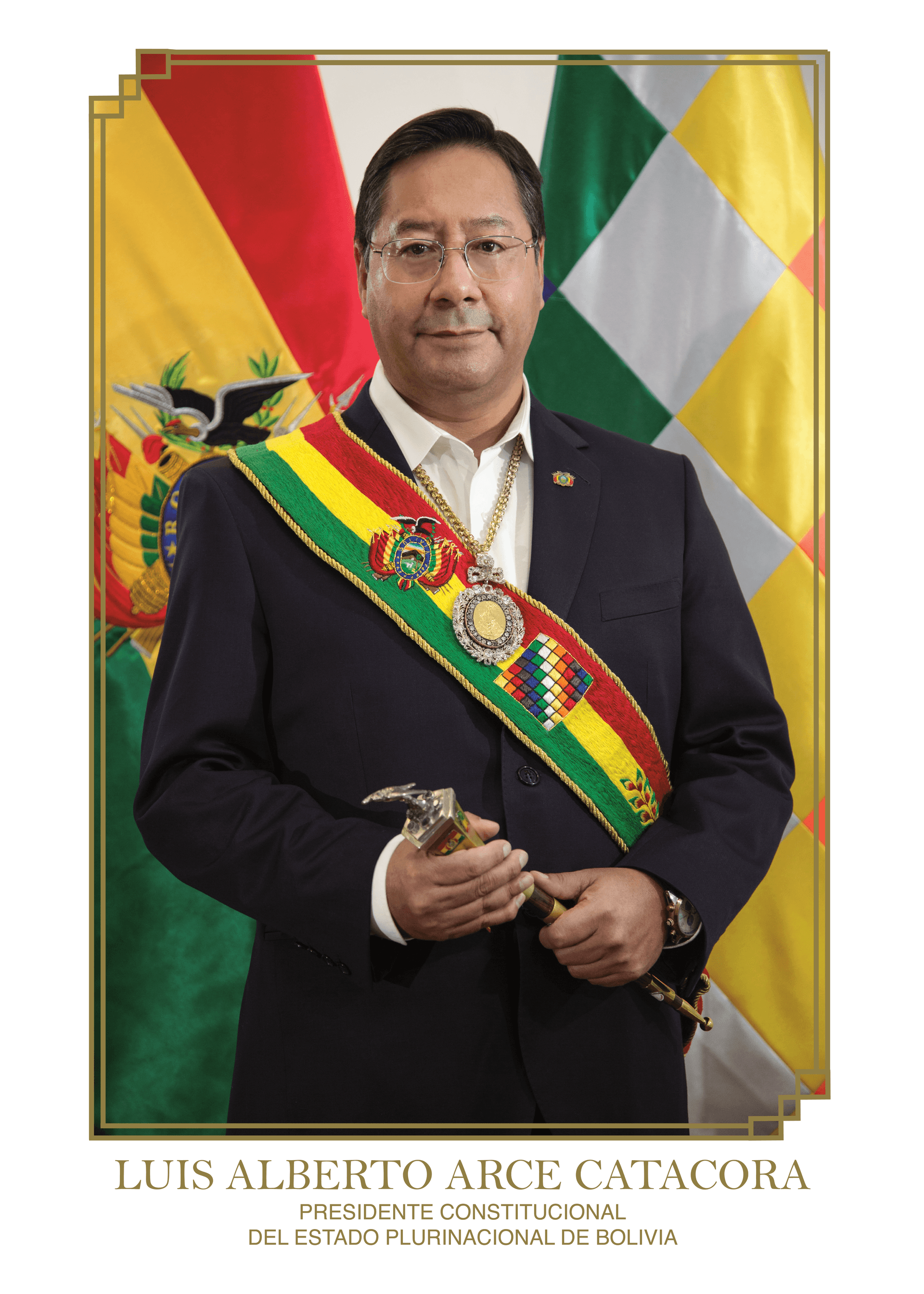
Arce came to power in 2020 with about 54% to 55% of the vote, winning after the annulled 2019 election and Evo Morales’s resignation in November 2019 amid fraud allegations. He had served as Morales’s finance minister, and his victory was supposed to restore order after the crisis that brought Jeanine Áñez into the interim presidency. Instead, the Movement Toward Socialism, or MAS, splintered around Arce and Morales, and the split has paralyzed the Bolivian legislature just as the country has needed decisions on the budget and a justice system backlog.
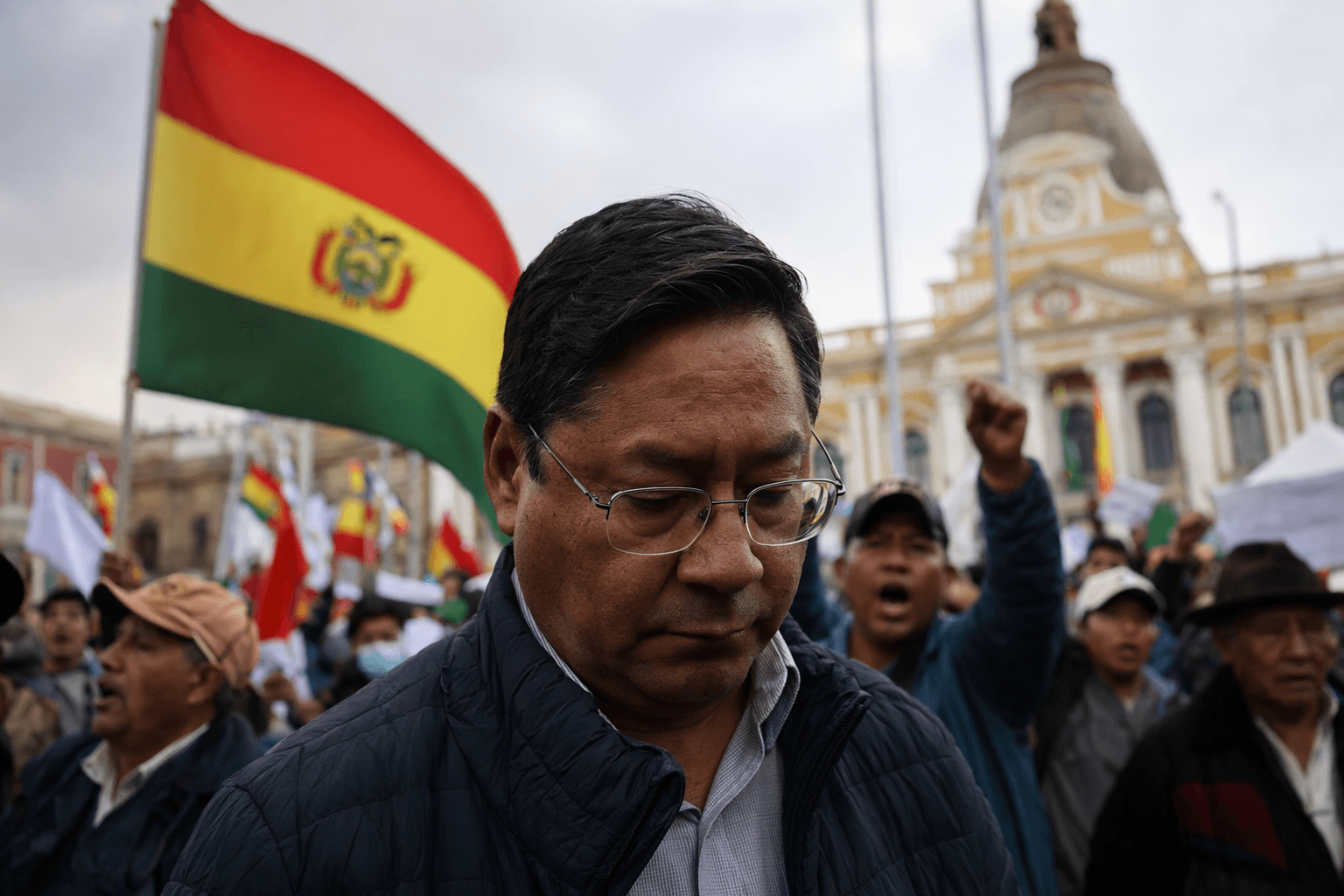
The economic backdrop is severe. The International Monetary Fund said Bolivia faced foreign-exchange shortages and slowing activity in 2024, while the fiscal deficit surpassed 10% of gross domestic product in 2023 and 2024. The World Bank said the economy contracted 1.1% in 2024, hit by declining exports and investment and by weak private and public consumption amid fuel and goods shortages. For households, that has meant longer lines, higher pressure on prices and a growing sense that the state cannot keep basic supplies moving.
That frustration has repeatedly spilled into direct action. On June 3 and 4, 2024, truckers blocked main roads across Bolivia, including in Santa Cruz, Cochabamba, Oruro and Tarija, over fuel shortages and limited access to U.S. dollars. Later in 2024, Morales supporters blocked roads as they sought to resist his arrest in a separate legal case, deepening the sense that Bolivia’s crisis is now as much political as economic.
What is unraveling is not only a governing coalition but a broader social contract built during the left’s long dominance, which began when Morales rose in 2005. Voters who once saw MAS as the vehicle for inclusion now face a state that cannot reliably deliver fuel, dollars or institutional stability. In that gap, anger is spreading across the same regions and constituencies that once sustained Bolivia’s ruling movement.
This article was produced by Prism’s automated news system from verified source data, official records, and press releases, then run through automated quality and moderation checks before publishing. The system is built and supervised by the people who set the standards it runs under. Read our full AI policy.
Did this article answer your question?