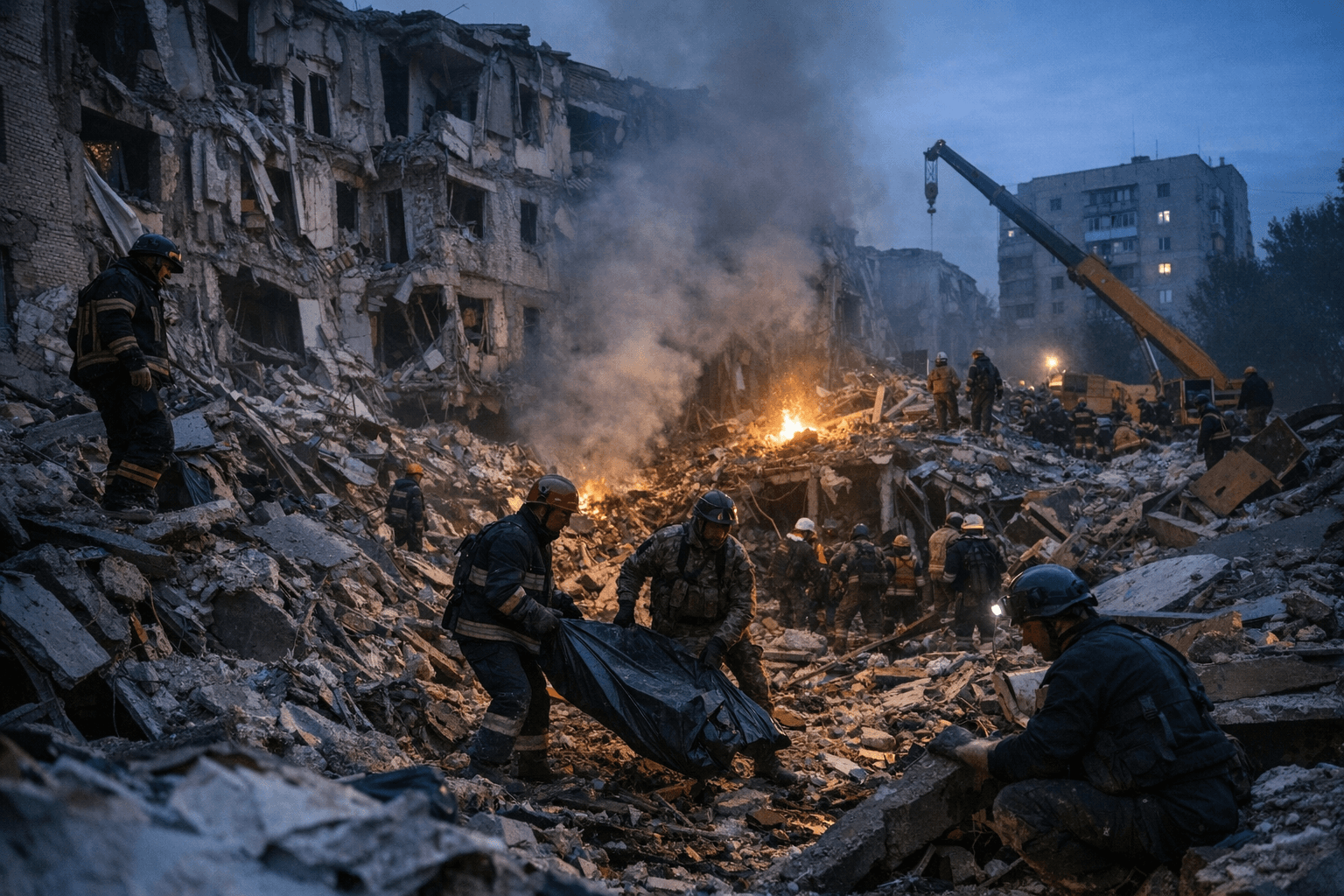
Bomb attack on Colombia highway kills 13, wounds 17 in Cauca
A roadside blast tore through a bus on the Pan-American Highway, leaving at least 13 dead and dozens wounded as the toll kept rising.
At least 13 people were killed and 17 wounded when an explosive device tore through a bus on the Pan-American Highway in Colombia’s Cauca province, turning one of the southwest’s main transport routes into a scene of carnage.
The blast hit the El Tunel area of Cajibio municipality, about 35 kilometers from Popayan, the provincial capital. That stretch of road is a critical link for civilian traffic, commerce and security operations, and violence there reverberates well beyond the immediate blast zone. As emergency crews worked, the casualty count continued to change, a sign of the confusion that followed the attack.
Later in the day, Cauca Governor Octavio Guzman said 14 people were dead and more than 38 were injured, including five minors. Separate reporting also put the number of wounded at least 38, underscoring how quickly the scope of the attack expanded as authorities assessed the scene. The differing tallies showed that the full human cost was still being sorted out hours after the explosion.
Guzman said violence was reported the same day in El Tambo, Caloto, Popayan, Guachene, Mercaderes and Miranda, suggesting a wider wave of disorder across Cauca rather than an isolated incident. The governor cast the situation as a broader public-order crisis, while Colombia’s army chief described the attack as a “terrorist act.”
Authorities have linked the violence in Cauca to drug trafficking and to dissident factions of the former FARC guerrilla movement, which rejected the 2016 peace deal and have continued to operate in rural and strategic corridors. Cauca has long been one of Colombia’s most unstable regions because of its geography, smuggling routes and competition among armed groups, and the bus attack reinforced how entrenched those networks remain.
The blast also carries political weight. Colombia’s presidential election is scheduled for May 31, 2026, and security has emerged as one of the campaign’s defining issues. The attack added pressure on President Gustavo Petro’s government to show it can protect highways, towns and voters in regions where armed groups still challenge state control.
Know something we missed? Have a correction or additional information?
Submit a Tip