Booker expects GOP resistance to Trump to grow over anti-weaponization fund
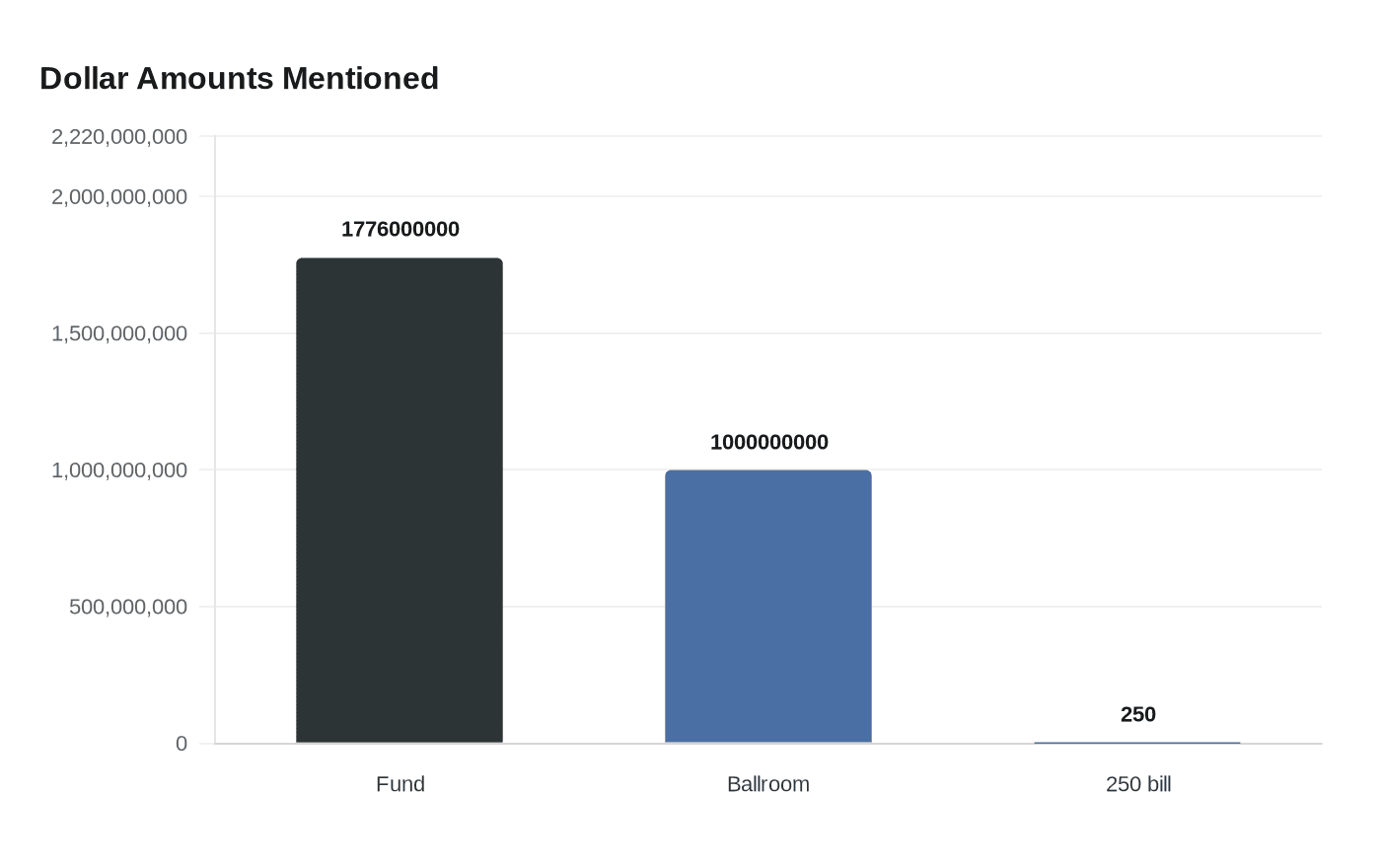
Booker said GOP resistance to Trump was only starting, pointing to the $1.776 billion anti-weaponization fund and pressure already disrupting Senate action.
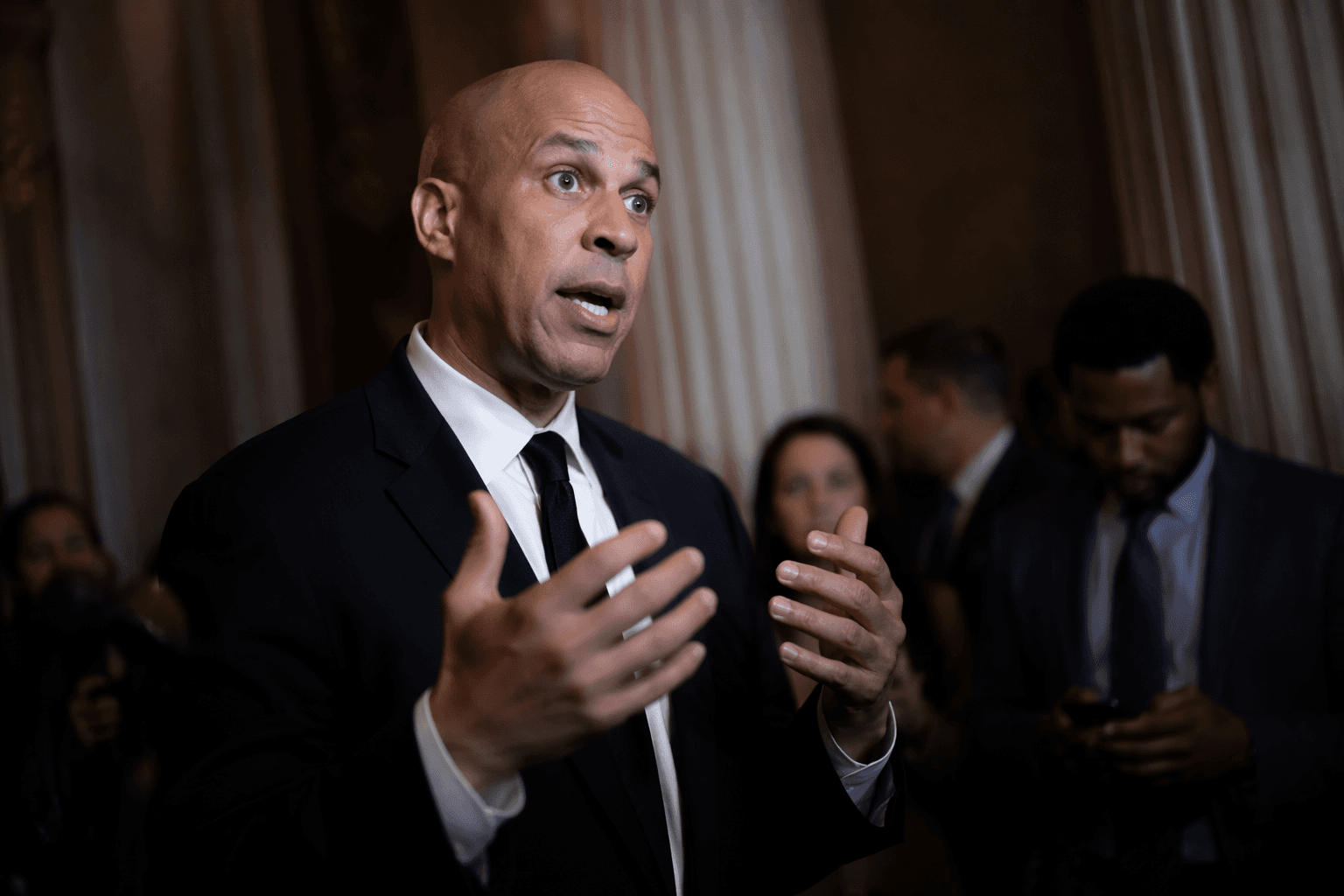
Cory Booker said Republican resistance to Donald Trump was likely to widen as the fight over a $1.776 billion anti-weaponization fund spread beyond legal complaints and into the day-to-day work of Congress. Booker said on ABC News' This Week that he was “absolutely expecting” more GOP opposition and argued that some Republicans were privately “aghast” at Trump’s behavior.
The New Jersey senator said the backlash could grow because the fund is not an isolated dispute. He said he had discussed the issue with Republican colleagues and suggested the resistance could extend to Trump’s push to add his name to the John F. Kennedy Center for the Performing Arts and to his separate bid for a special $250 bill for the nation’s 250th birthday. That currency proposal would require Congress to change the law to allow a living person to appear on U.S. money.
The anti-weaponization fund has already become a governing problem for Trump’s party. Senate Republicans refused on May 21 to move forward with a key reconciliation bill that would finance Immigration and Customs Enforcement and Customs and Border Protection after raising objections tied to the fund and a proposed $1 billion White House ballroom and security item. Senate GOP leaders then delayed votes and sent lawmakers home for the Memorial Day recess, a sign that the dispute was no longer confined to messaging or floor speeches.
The Justice Department announced the fund on May 18 as part of a settlement resolving Trump’s civil lawsuit over the leak of his tax returns. The program is set to draw money from the Judgment Fund, a Treasury account created by Congress in 1956 to pay court judgments and settlements. The settlement says a five-member commission will oversee the fund, with four members appointed by Acting Attorney General Todd Blanche, but the eligibility rules and payout caps have not been publicly specified. The fund could also cover people convicted in connection with the Jan. 6, 2021, Capitol riot if they were later pardoned by Trump.
Legal and political pushback intensified on May 29, when U.S. District Judge Leonie Brinkema temporarily blocked the fund and set a June 12 hearing. Democratic lawmakers have threatened to tax any payouts, while House Republicans Brian Fitzpatrick and Tom Suozzi have introduced legislation to bar payments. With Senate Republicans already resisting and a federal judge intervening, the clash has moved from a symbolic rebuke to a real obstacle for Trump’s agenda, and the fight could still shape the 2026 midterms.
This article was produced by Prism’s automated news system from verified source data, official records, and press releases, then run through automated quality and moderation checks before publishing. The system is built and supervised by the people who set the standards it runs under. Read our full AI policy.
Did this article answer your question?

