Booneville courthouse history shapes county services and records
The Booneville courthouse remains Owsley County's civic hub after historic fires that shaped recordkeeping. Residents depend on it for deeds, courts, voter services, and public meetings.

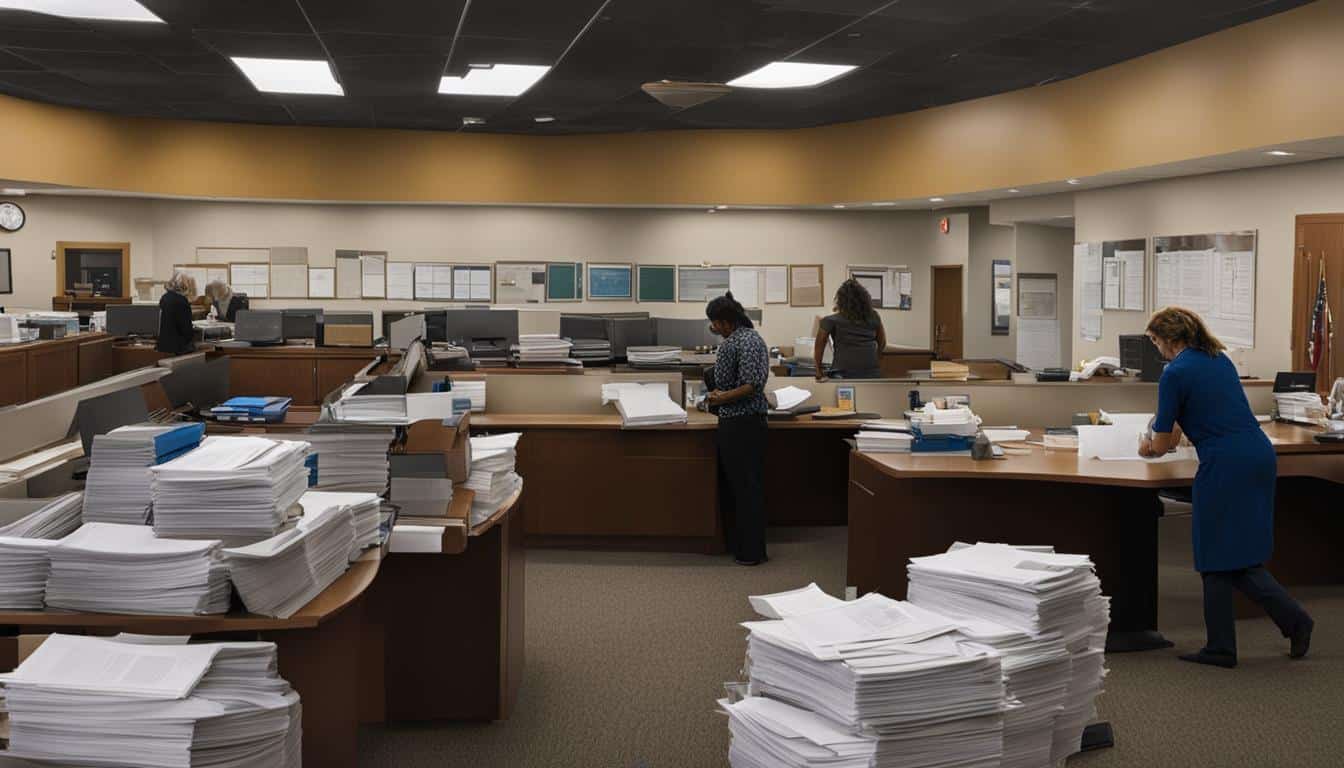
The Owsley County Courthouse in Booneville serves as the county seat's principal civic building, managing court proceedings, property records, and a range of clerk functions that affect daily life across the county. Its role as hub for recording deeds and mortgages, filing court documents, accessing election and voter services, and obtaining licenses makes the courthouse central to both routine transactions and community governance.
The courthouse's physical and archival history has been marked by destructive fires that altered how the county preserves its past. A blaze in January 1929 destroyed early records, and a later fire in January 1967 caused significant additional damage. Those losses reshaped local recordkeeping practices, forced restorations and relocations of county functions over time, and left gaps in historical documents that long-time residents and researchers still notice today.
Because early ledgers and records were lost or damaged, residents researching property history, family records, or legal matters sometimes need to pursue alternate sources. State archives, university special collections, and historic newspapers can hold surviving copies or indexes that help reconstruct lost documents. The county clerk's office remains the first stop for certified copies, current land records, voter registration, marriage licenses, and court filings, while fiscal court sessions and public hearings continue to meet at county facilities in Booneville.
For Owsley County residents, this history matters in practical ways. Property transactions can require certified records, some older chains of title may be incomplete within county holdings, and researchers tracing family or land histories may need assistance locating external repositories. County government functions hosted at the courthouse also include election-related services that affect voter registration and polling administration, so awareness of the courthouse's role helps residents plan for civic participation.

Local reporting and civic engagement can help close gaps left by the past. Opportunities include documenting surviving records, supporting digitization and preservation efforts, and encouraging the county to publicize where specific services are handled and when hearings are scheduled. Profiles of long-serving local officials and illustrated histories of courthouse buildings can strengthen community memory and clarify where to go for specific services.
Verify hours and service details with the county clerk or courthouse offices before visiting, and consider checking state archives and university collections when seeking documents predating the 1929 fire. As Booneville continues to serve as Owsley County's administrative center, residents who understand the courthouse's history and its current functions will be better equipped to navigate legal matters, preserve local history, and participate in county government.
Sources:
Know something we missed? Have a correction or additional information?
Submit a Tip