BOP closes six prisons, cites staffing and infrastructure crisis
Six prisons are closing and two camps are being converted as the Bureau of Prisons confronts a $4 billion repair backlog and chronic staffing gaps.
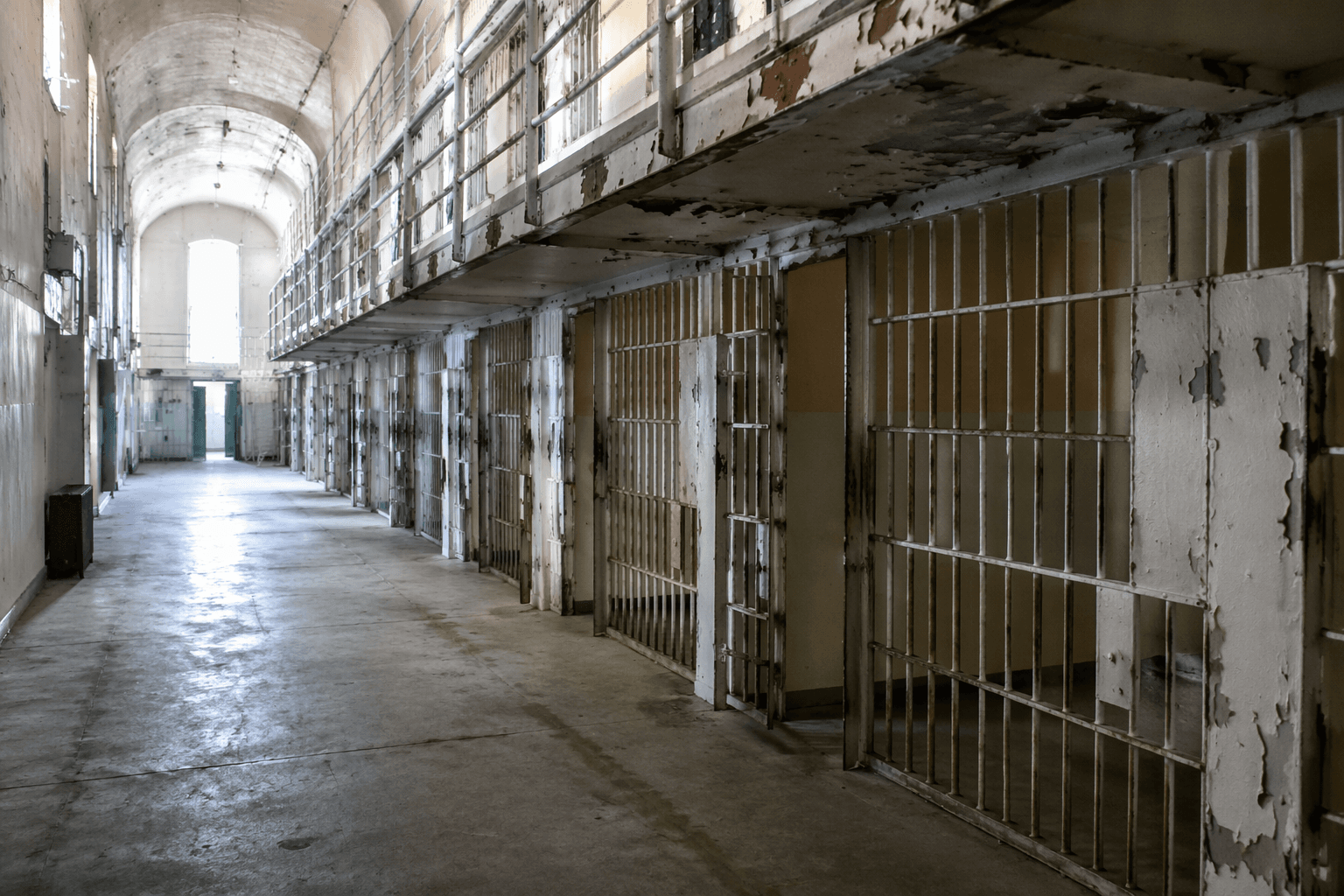
The Federal Bureau of Prisons will close six institutions and change operations at two more as it tries to cut costs tied to crumbling buildings, chronic staffing shortages and a deferred maintenance backlog that now exceeds $4 billion. The move, announced July 1, affects prison towns from Beaumont, Texas, to Duluth, Minnesota, and the daily logistics of custody, visits and programming for thousands of prisoners.
The closures include Beaumont FCI Low in Texas; Big Spring FCI and Satellite Camp in Texas; La Tuna FCI/FSL and Satellite Camp in Anthony, Texas; Lexington FMC Satellite Camp in Kentucky; Petersburg FCI Low in Virginia; and Taft FCI in California. Morgantown FPC in West Virginia and Duluth FPC in Minnesota will be converted from minimum-security camps to federal satellite low facilities. La Tuna FSL and Taft FCI were already non-operational before being permanently closed.
Staff at Beaumont FCI Low, Lexington FMC Satellite Camp and Petersburg FCI Low will be moved to other units onsite or nearby. A reduction-in-force will affect Big Spring FCI and Satellite Camp and La Tuna FCI/FSL and Satellite Camp. Those moves mean longer waits to see family, greater distance for attorneys trying to meet clients, and more strain on medical appointments and rehabilitation programming when people are shifted to different facilities or relocated farther from home.
BOP Director William K. Marshall III was sworn in on April 21, 2025. He oversees about 122 facilities, roughly 36,000 staff and about 156,000 federal inmates. The closures are part of an effort to keep operations safe, secure and efficient, even as the system continues to absorb the effects of years of underinvestment and chronic understaffing.
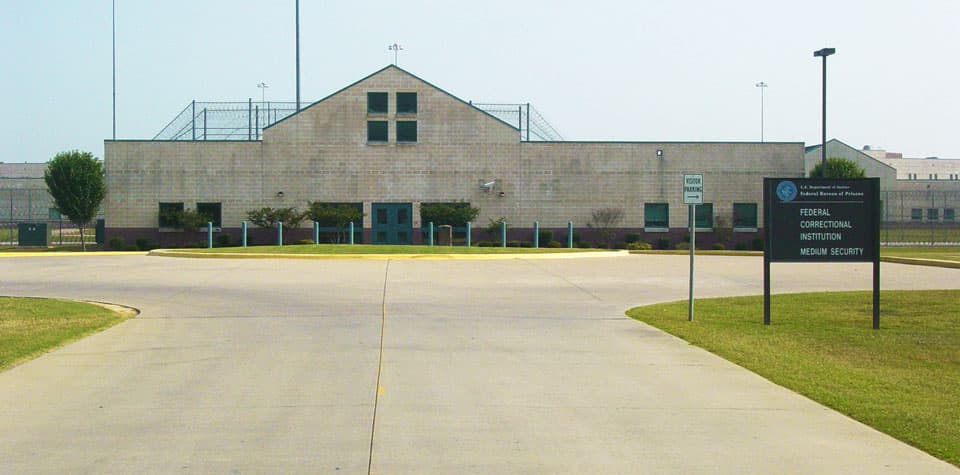
Money from the One Big Beautiful Bill Act will help, but will not fully resolve decades of infrastructure and operational problems. Congress provided the agency $5 billion through the act, including $3 billion for staffing and training and $2 billion for infrastructure improvements. The Justice Department Office of Inspector General has repeatedly warned that staffing shortages and deteriorating infrastructure remain persistent challenges for the federal prison system.
This article was produced by Prism’s automated news system from verified source data, official records, and press releases, then run through automated quality and moderation checks before publishing. The system is built and supervised by the people who set the standards it runs under. Read our full AI policy.
Did this article answer your question?

