Border Patrol detains South Texas doctor serving shortage area, then releases him
Border Patrol held Dr. Ezequiel Veliz for 10 days, cutting into care in a South Texas shortage area before a hearing won his release.
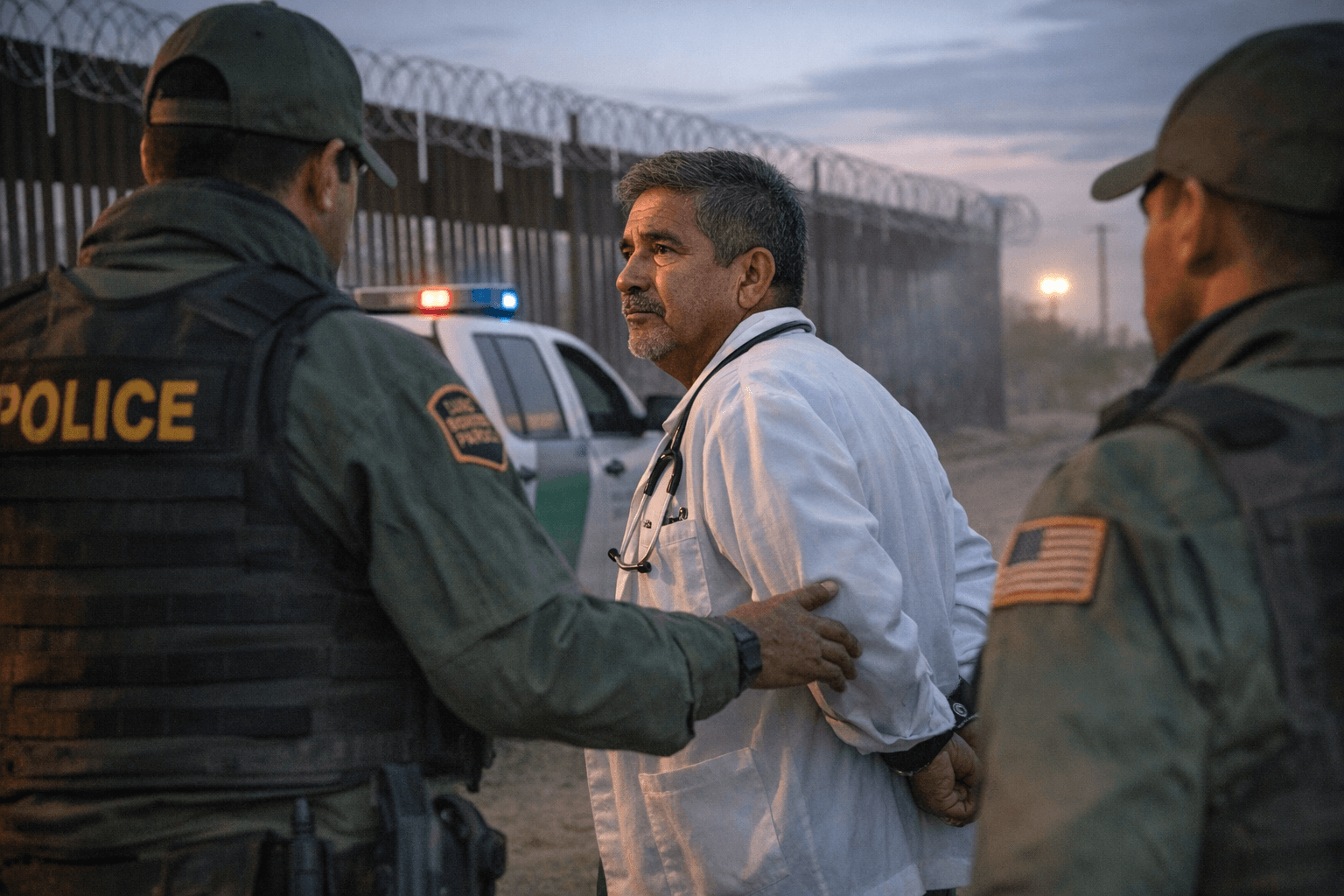
Border Patrol agents detained Dr. Ezequiel Veliz at the Sarita checkpoint in South Texas while he was traveling with his husband to Houston, pulling a family physician out of the Rio Grande Valley’s already thin medical workforce. Veliz, who had lived in the United States for about nine years and was working in a region short on doctors, was released 10 days later after a hearing secured by his attorney, Victor Badell.
Veliz’s case has become a flashpoint for the clash between immigration enforcement and health care access. He had worked at UT Health Rio Grande Valley in McAllen, where he was named 2025 Resident of the Year, and he was reportedly in the middle of a J-1-related immigration process when a federal visa pause slowed or stalled his paperwork. He was carrying a letter from the Texas state medical board and immigration documents showing the case remained active when agents took him into custody. Joseph Williams, Veliz’s husband and a U.S. citizen, was with him at the time.
The detention hit a medically underserved part of Texas that relies heavily on physicians willing to work in shortage areas. U.S. Rep. Joaquin Castro said Veliz’s detention was part of a broader Trump administration mass deportation campaign and argued that immigration agents were targeting a doctor who had been meeting the needs of a vulnerable population. The concern is not only about one physician’s liberty, but about what happens to patients when a shortage-area resident is taken off the schedule, even briefly.
Veliz’s case is unfolding against a wider shortage of doctors nationwide. One medical publication has projected a shortfall of about 86,000 physicians by 2036. That pressure is especially acute in places like the Rio Grande Valley, where a single resident or attending physician can represent the difference between timely appointments and long delays.
The same enforcement pattern has also ensnared other doctors. Rubeliz Bolívar was detained April 11 at McAllen International Airport while traveling with her 5-year-old U.S.-citizen daughter to meet her husband for an asylum interview, despite what her family and medical groups said was a valid work permit through 2030. The American College of Emergency Physicians and the Emergency Medicine Residents’ Association condemned her detention and called for a medical national-interest exemption, faster immigration processing for physicians and clearer guidance for adjudicators.
Medical groups and lawmakers are now pressing for a system that recognizes how much immigrant physicians matter in shortage areas. In South Texas, the cost of delay is measured not in paperwork alone, but in missed appointments, longer waits and communities left with fewer doctors than they can afford to lose.
This article was produced by Prism’s automated news system from verified source data, official records, and press releases, then run through automated quality and moderation checks before publishing. The system is built and supervised by the people who set the standards it runs under. Read our full AI policy.
Did this article answer your question?

