Bose launches records label and studios to back emerging artists
Bose is pairing a new record label with an in-house studio, betting it can turn audio gear into a culture business without owning artists’ masters.
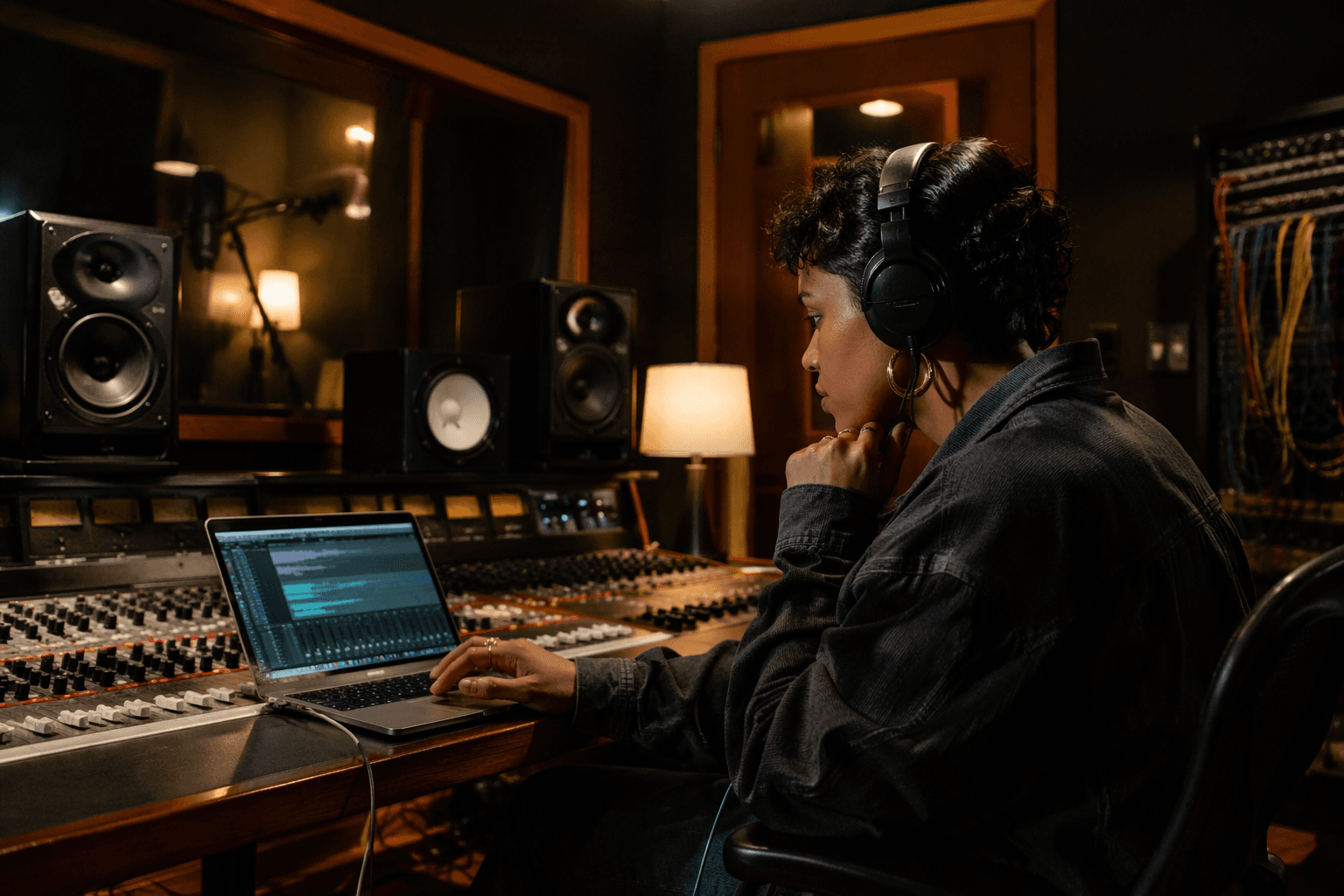
Bose is making its boldest push yet beyond hardware, launching Bose Studios and Bose Records in a move that could remake the company as much as the artists it signs. The plan reaches past music into podcasts, YouTube content, live events, and original TV and film productions, an effort aimed at shifting Bose away from campaign-driven marketing and toward culture-making.
The label is being framed as a light-touch venture rather than a traditional record deal. Bose reportedly does not plan to own artists’ masters, take a share of record sales or streaming revenue, or block artists from signing elsewhere. Jim Mollica, Bose’s chief marketing officer, said the company is not trying to compete with major labels and wants authentic music for Bose campaigns without paying standard licensing fees, signaling that the label may serve both creative and commercial goals.
That dual motive sits at the center of Bose’s strategy. On one hand, the company says Bose Records will help break new and underappreciated artists. On the other, it gives Bose a way to pull music, video, podcasts, and live programming closer to its own brand ecosystem, while reducing reliance on the old model of buying attention through one-off ad campaigns. In an economy where attention is scarce and media costs keep rising, that kind of vertical integration can be tempting.
Bose is not stepping into this vacuum. On June 9, 2026, it announced the acquisition of StreamUnlimited Engineering GmbH to expand its audio technology business across third-party devices and ecosystems. In November 2024, it bought McIntosh Group, the parent of McIntosh and Sonus faber. Taken together, those moves suggest a company trying to control more of the audio stack, from engineering and premium hardware to the content that surrounds it.

The history of brands trying to become culture companies is mixed at best. Red Bull Records, founded in July 2007 as an independent label focused on long-term artist development, remains a working model of a brand-built music business. Starbucks’ Hear Music is the cautionary tale: founded as a catalog company in 1990, relaunched in 2007 with Concord Music Group, and later defunct. Bose’s recent collaboration with PlaqueBoyMax during NBA All-Star weekend in February 2026 showed how aggressively it has been leaning into culture-first marketing.

The test now is whether Bose is building a real media business, a sophisticated marketing engine, or a deeper lock-in play that keeps artists, content, and advertising inside the Bose orbit. The company has the audio credibility to try; history suggests that credibility alone is not enough.
This article was produced by Prism’s automated news system from verified source data, official records, and press releases, then run through automated quality and moderation checks before publishing. The system is built and supervised by the people who set the standards it runs under. Read our full AI policy.
Did this article answer your question?