Bosnian rock song reborn as World Cup anthem for national team
A satirical 2011 protest song has been remade into Bosnia and Herzegovina’s World Cup chant, racing toward 2 million views and turning irony into national pride.
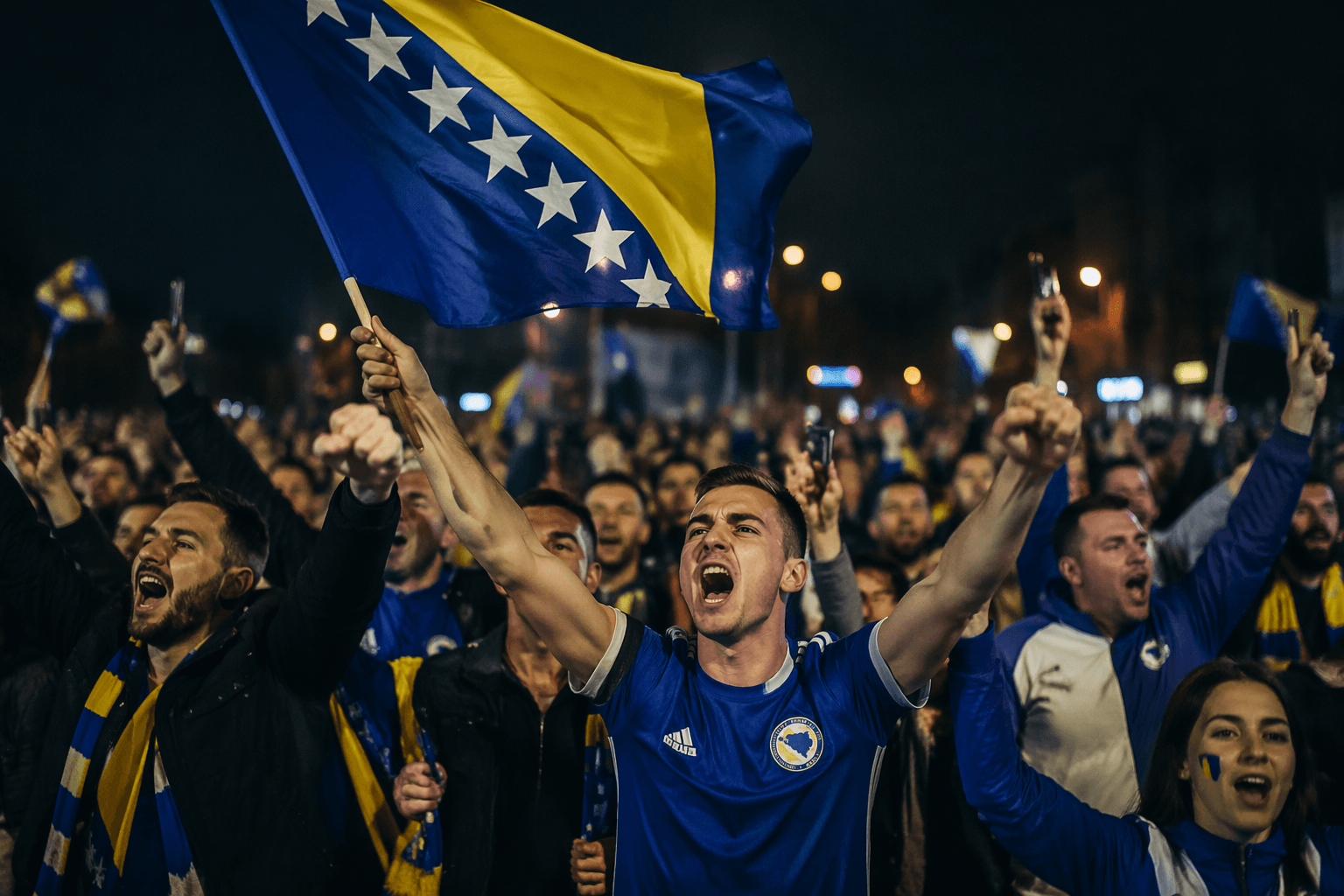
A satirical Bosnian rock song that once mocked the American Dream has been recast as Bosnia and Herzegovina’s most unlikely World Cup anthem. Dubioza Kolektiv’s new version of its 2011 track, “USA,” has drawn nearly 2 million YouTube views in less than three weeks, converting a joke about emigration and disappointment into a rallying cry before Friday’s match against Canada.
The transformation says as much about Bosnia’s football moment as it does about the song itself. Bosnia and Herzegovina is making only its second World Cup appearance, with its lone previous trip coming in 2014, and the route back has been steeped in drama. The team booked its place in the 2026 tournament by beating Italy in a penalty shootout in Zenica in March, a result that gave the country a rare surge of global attention and, for many supporters, a new soundtrack.
That soundtrack began as something far more sardonic. Dubioza Kolektiv, formed in 2003, built its reputation on a volatile mix of ska, punk, reggae/dub, rock, hip hop, electronic and Balkan music, with politically conscious lyrics that have long treated postwar stagnation and social frustration as raw material. The original “USA” video, released in 2011, has since accumulated 26,690,502 views on YouTube, proof that the band’s blend of humor and unease had already traveled far beyond Bosnia.
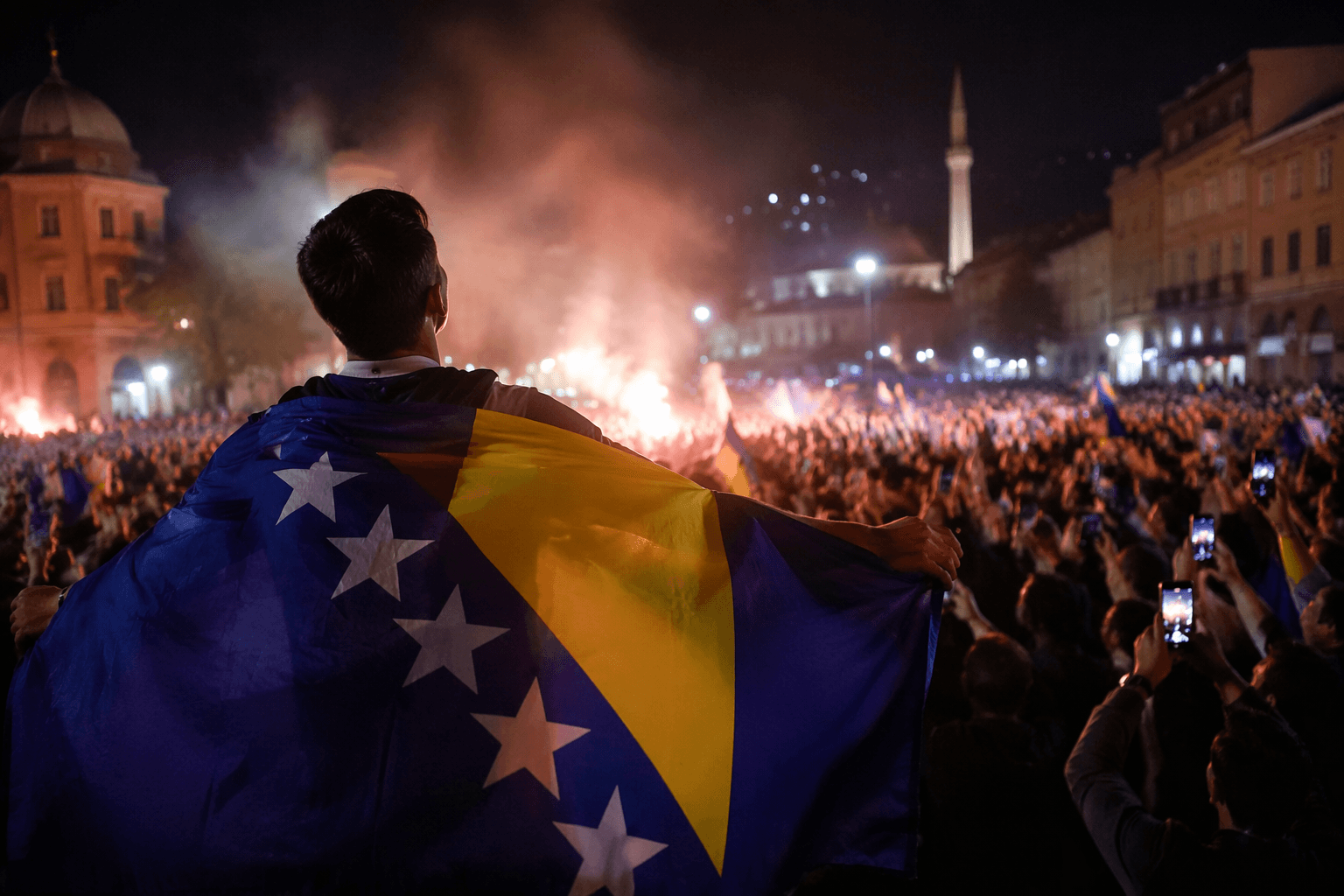
The new version, “I Am From Bosnia, Take Me to America,” works because it flips that irony inside out. What began as a pointed send-up of leaving Bosnia for a better life abroad has become, in the hands of fans, a collective expression of pride, resilience and release. Many supporters only became familiar with the refrain after the victory over Italy, and the song has spread quickly as Bosnia’s World Cup return has sharpened its emotional pull. FIFA currently lists Bosnia and Herzegovina at 64th in the men’s rankings, a reminder of how unusual this run still is for a country with only one prior appearance on the sport’s biggest stage.
Members of the band met reporters in the Sarajevo neighborhood where the video was filmed, underscoring how rooted the anthem is in everyday city life rather than in a polished marketing campaign. In a tournament ecosystem crowded with branding and sponsorship, the song’s rise points to something harder to manufacture: a chant that carries local history, humor and pain while still landing as a crowd anthem. Bosnia’s version of World Cup nationalism is not built on polish. It is built on irony that has finally found a home.
This article was produced by Prism’s automated news system from verified source data, official records, and press releases, then run through automated quality and moderation checks before publishing. The system is built and supervised by the people who set the standards it runs under. Read our full AI policy.
Know something we missed? Have a correction or additional information?
Submit a Tip