Boundary Waters mine fight intensifies as Minnesota lawmakers clash
Minnesota’s Boundary Waters fight has become a national test case: whether the clean-energy minerals boom should reach into one of America’s most protected wildernesses.
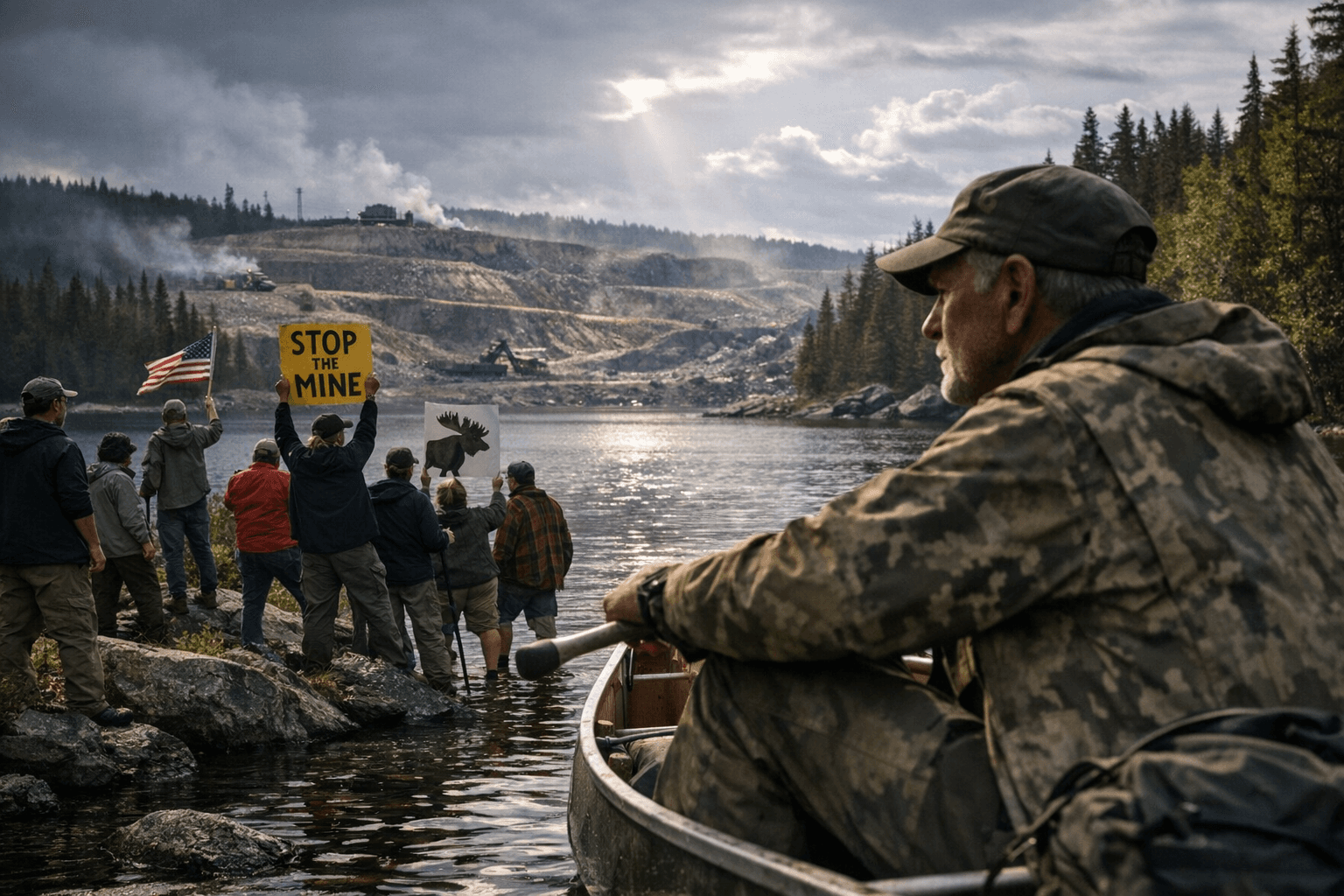
The rush for copper, nickel, cobalt and platinum-group metals is colliding with one of the nation’s most iconic public lands, and nowhere is that tradeoff sharper than in northern Minnesota. The Boundary Waters Canoe Area Wilderness, a 1,090,000-acre expanse of lakes, islands, rocky outcrops and forest in the Superior National Forest, has become the proving ground for whether the energy transition can justify the risk of mining near an irreplaceable watershed.
The wilderness stretches nearly 150 miles along the U.S.-Canada border and includes more than 1,200 miles of canoe routes and more than 2,000 designated campsites. It was first set aside in 1926, added to the National Wilderness Preservation System in 1964, and further protected by the Boundary Waters Canoe Area Wilderness Act of 1978. Federal officials have called it the most heavily visited wilderness area in the United States, drawing more than 150,000 visitors a year and supporting a surrounding recreation economy worth roughly $100 million annually.
At the center of the dispute is Twin Metals Minnesota, a subsidiary of Chile’s Antofagasta, which wants to build an underground mine in the Maturi deposit about nine miles southeast of Ely and 11 miles northeast of Babbitt. The company says the deposit contains more than 4.4 billion tons of ore and says the project would create more than 750 direct full-time jobs and 1,500 additional indirect and induced jobs. Supporters frame the mine as a long-needed economic anchor in a region dependent on tourism and seasonal work. Opponents say sulfide-ore copper mining in the Duluth Complex poses an unacceptable risk to water flowing into the Boundary Waters, Voyageurs National Park and Canada’s Quetico and La Verendrye parks.
The fight escalated nationally when the Biden administration in January 2023 withdrew about 225,000 acres of federal forest land near the Boundary Waters from future mineral leasing. The administration said the move was aimed at protecting the watershed, fish and wildlife, Tribal trust and treaty rights, and the recreation economy. The Interior Department also said the Forest Service had withheld consent in 2016 for renewal of Twin Metals’ mineral leases and later determined the 2019 renewal was improper.
That protection was thrown back into political crossfire in April 2026, when the U.S. Senate voted 50-49 to overturn the 2023 withdrawal. Minnesota Sen. Tina Smith denounced the move as a threat to the wilderness, while conservation groups said the fight would shift to Minnesota officials and the courts. Opponents are pressing Gov. Tim Walz and the Minnesota Department of Natural Resources to cancel Twin Metals’ state lease, which they say can be terminated in 2026 if conditions are not met after 35 years.
The land involved sits in the Rainy River headwaters and within the 1854 Ceded Territory, making the dispute especially fraught for Anishinaabe and Ojibwe treaty rights. It is also the latest chapter in a Minnesota debate that dates to copper-nickel discoveries in the 1800s and intensified after major finds near Duluth in 1948. Similar battles over PolyMet and NewRange have kept the question alive for nearly two decades: how much of the clean-energy buildout should be allowed to reach into places that cannot be replaced once disturbed.
This article was produced by Prism’s automated news system from verified source data, official records, and press releases, then run through automated quality and moderation checks before publishing. The system is built and supervised by the people who set the standards it runs under. Read our full AI policy.
Did this article answer your question?

