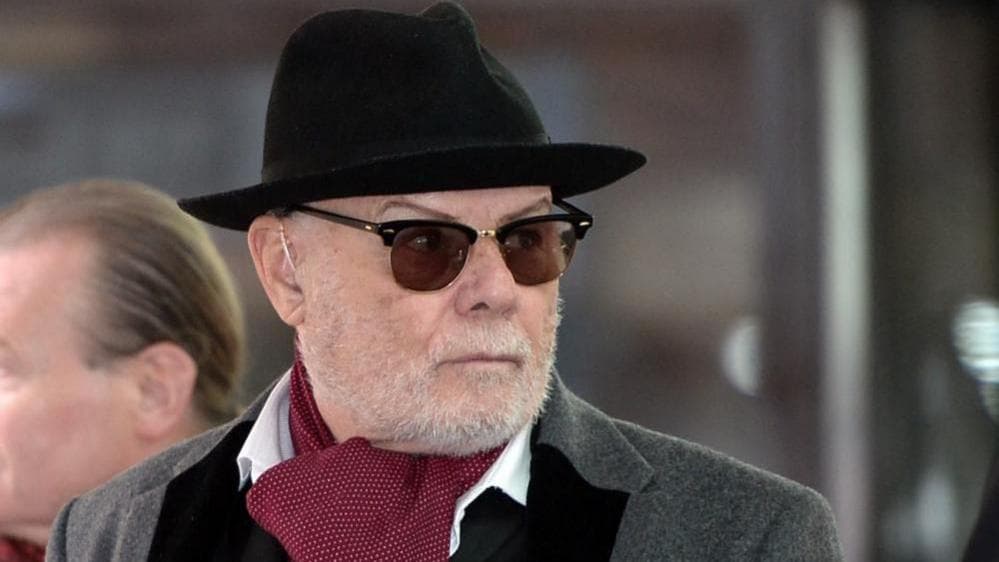
Boy George receives lifetime achievement award at British LGBT Awards
Boy George was honored in central London with a lifetime achievement award, marking his shift from 1980s provocateur to establishment figure.
Boy George moved from pop provocateur to establishment honoree on Thursday night, when the British LGBT Awards gave the 64-year-old a lifetime achievement award at the London Marriott Hotel Grosvenor Square in central London.
French fashion designer Jean Paul Gaultier presented the honour, which organisers said celebrated George O'Dowd’s significant contribution to British musical culture. The singer, best known for the 1980s hit Karma Chameleon, also collected music artist of the year, beating Charli XCX and Doja Cat.
The award carried a wider meaning beyond one performer’s career. Boy George built his public image in an era when many stars kept their sexuality hidden, and his 1982 Top of the Pops appearances, with make-up and ribbons in his hair, helped push gender presentation into the centre of pop culture conversation. Four decades later, the same visibility that once provoked controversy is now being formally recognised by one of the community’s most prominent award ceremonies.

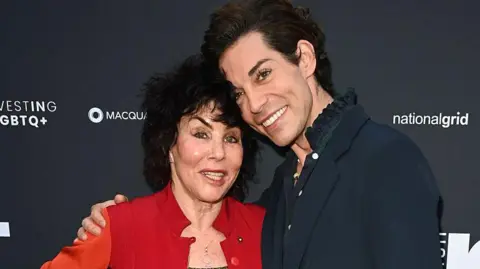
The British LGBT Awards have been held annually since 2014 and organisers describe them as one of the most significant events for the LGBTQ+ community. This year’s ceremony was hosted by Ruby Wax and Tom Read Wilson, underscoring how far queer culture has travelled from the margins of mainstream television to a night of public celebration in one of London’s best-known hotels.
The evening also recognised other figures with broad cultural reach. Kate Winslet received an advocate award via video message, while Stephen Libby won media moment of the year for jointly winning series four of The Traitors. The list of winners reflected a wider shift in representation, where LGBT recognition now sits alongside mainstream entertainment rather than outside it.

For Boy George, the honour came after a mixed year on the international stage. He appeared as a guest performer on San Marino’s Eurovision entry in 2026 but did not reach the final. Before the awards, he told the BBC that he wanted to write the United Kingdom’s Eurovision entry for 2027 rather than perform it, a sign that even after decades in the spotlight he is still looking for another way back into the contest’s story.
The lifetime award marks a full circle moment for a singer once defined by his refusal to conform. It also reflects a broader generational change: queer visibility in British pop has moved from a source of scandal to a measure of cultural legacy, even as questions remain about who gets celebrated, who gets commercial reward and what representation now demands.
This article was produced by Prism’s automated news system from verified source data, official records, and press releases, then run through automated quality and moderation checks before publishing. The system is built and supervised by the people who set the standards it runs under. Read our full AI policy.
Did this article answer your question?