BP Taps Woodside Chief Meg O'Neill, Refocuses on Oil and Gas
BP has appointed Meg O'Neill, chief executive of Woodside Energy, as its next chief executive officer effective 1 April 2026, signaling a clear strategic pivot back to oil and gas. The move reshapes leadership at both companies, accelerates a companywide reset toward simpler, leaner operations, and raises immediate questions about capital allocation and the future of BP's renewables commitments.
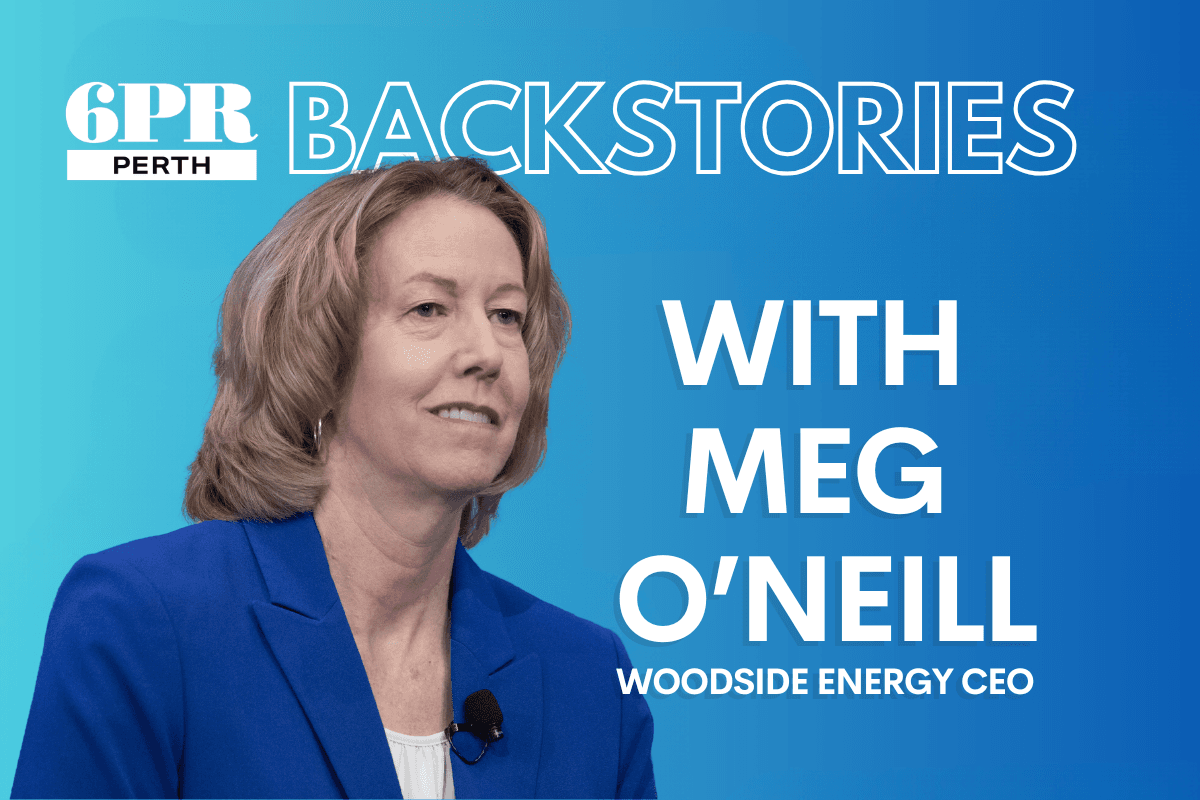
BP said its board appointed Meg O'Neill, currently chief executive of Woodside Energy Group Ltd, as the companys next chief executive officer, with her tenure to begin on 1 April 2026. The appointment was announced in a company press release dated 17 December 2025 and took immediate effect at Woodside, which confirmed O'Neills departure and named executive Liz Wescott as acting chief executive effective 18 December 2025, with the permanent appointment to follow in the first quarter of 2026. The acting chief executives surname is variously spelled Wescott or Westcott in different notices.
Murray Auchincloss stepped down as BP chief executive and as a director of the board effective 18 December 2025, the company said. He will remain in an advisory capacity through December 2026 to support the transition, and he said he was "confident that BP is now well positioned for significant growth." Carol Howle, BP executive vice president for supply, trading and shipping, will serve as interim chief executive until O'Neill assumes the role.
The appointment is notable on several fronts. It is the first time in more than a century that BP has selected an external candidate to lead the company, and O'Neill will become the first woman to head one of the worlds top five oil majors. The move comes amid rapid management turnover the company will have had four chief executives in six years and follows a strategic reset that has shifted capital back into oil and gas, reduced commitments to some renewables investments and emphasized cost cutting.
O'Neill brings deep oil and gas credentials. She succeeded to the Woodside chief executive role in 2021 after a 23 year career at ExxonMobil and after joining Woodside in 2018. Under her leadership Woodside completed the acquisition of BHP Groups petroleum business, creating a geographically diversified independent oil and gas company valued at about 40 billion dollars by some measures. Coverage of Woodside under O'Neill notes the company doubled its oil and gas production and became the largest energy company listed on the Australian Securities Exchange.
BP framed the choice as part of long term succession planning, but the company has offered few public details about any selection process. The appointment is widely interpreted as aligning leadership with a back to basics strategy to make BP simpler, leaner and more profitable. Analysts and investors are focused on how the change will affect specific decisions already in motion including the potential sale of Castrol and the scale of share buybacks.
RBC analyst Biraj Borkhataria posed tough choices for the incoming chief executive, asking "should they defer the sale of Castrol? We think yes. Should they cut the buyback to zero and repair the balance sheet further? We think yes." Market reaction was mixed on the day of the announcement, with shares initially rising and a snapshot showing BP-GB up 0.07 percent at one point before drifting lower.
What remains unclear is O'Neills precise strategy for BP beyond the broad signal of a renewed focus on oil and gas. The transition tightens the link between shareholder pressure for near term returns and operational discipline in a sector still grappling with the energy transition and volatile oil prices. Investors and policymakers will be watching whether the new leadership opts to accelerate production growth, shore up the balance sheet, or recalibrate BPs commitments to low carbon investments.
This article was produced by Prism’s automated news system from verified source data, official records, and press releases, then run through automated quality and moderation checks before publishing. The system is built and supervised by the people who set the standards it runs under. Read our full AI policy.
Did this article answer your question?