Brambati Introduces Fully Electric, Zero-NOx Roasters for Specialty and Mid-Scale Producers
Brambati S.p.A. launched a new generation of fully electric, zero-NOx roasters that serve specialty and small-to-mid-scale producers and cut emissions from gas burners.
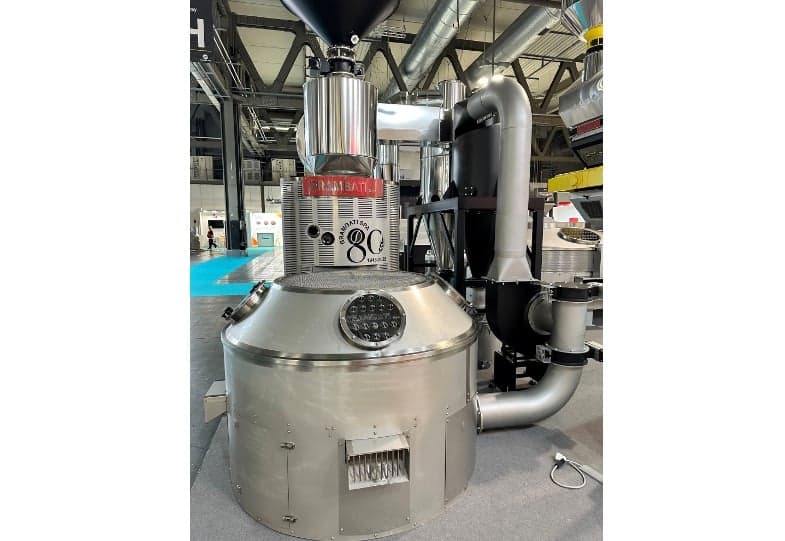
Brambati S.p.A. is pushing electrification in coffee roasting with a new line of fully electric roasters designed for specialty and mid-scale producers. The machines remove burners from the equation, eliminating NOx and other emissions tied to gas-fired systems while offering a range of sizes from roughly 100 g lab models up to 60 kg batch roasters, with larger machines under development.
The move responds to two industry drivers: tighter decarbonization expectations for processing equipment and the need for roast-to-roast consistency across scales. Brambati’s electric platform pairs smart controls and heat recovery systems to manage energy use and replicate roast curves, making it easier to dial in profiles on sample roasters and translate those settings to production machines. For roasters who run cupping labs, the availability of 100 g sample units that mirror the controls of larger models helps preserve cup quality when scaling up.
Practical value is immediate for operations that already have on-site renewables or access to low-cost electricity. Brambati positions the electric roster at customers who can tie machines into solar or wind arrays, or who operate in markets that provide incentives for electrification. Heat recovery reduces the net energy draw of the system, and smart control stacks can store and replay profiles, which speeds training, reproducibility, and quality control across shifts.
Community considerations include electrical infrastructure and permitting. Brambati notes that site electrical capacity will be the main constraint for many buyers. Upgrading distribution panels, adding service capacity, or coordinating phased installations may be necessary for facilities moving from gas to electric. Those with rooftop solar, battery storage, or access to time-of-use rates will see the best operational economics. Government decarbonization programs and electrification incentives can further lower the total cost of ownership for adopters.
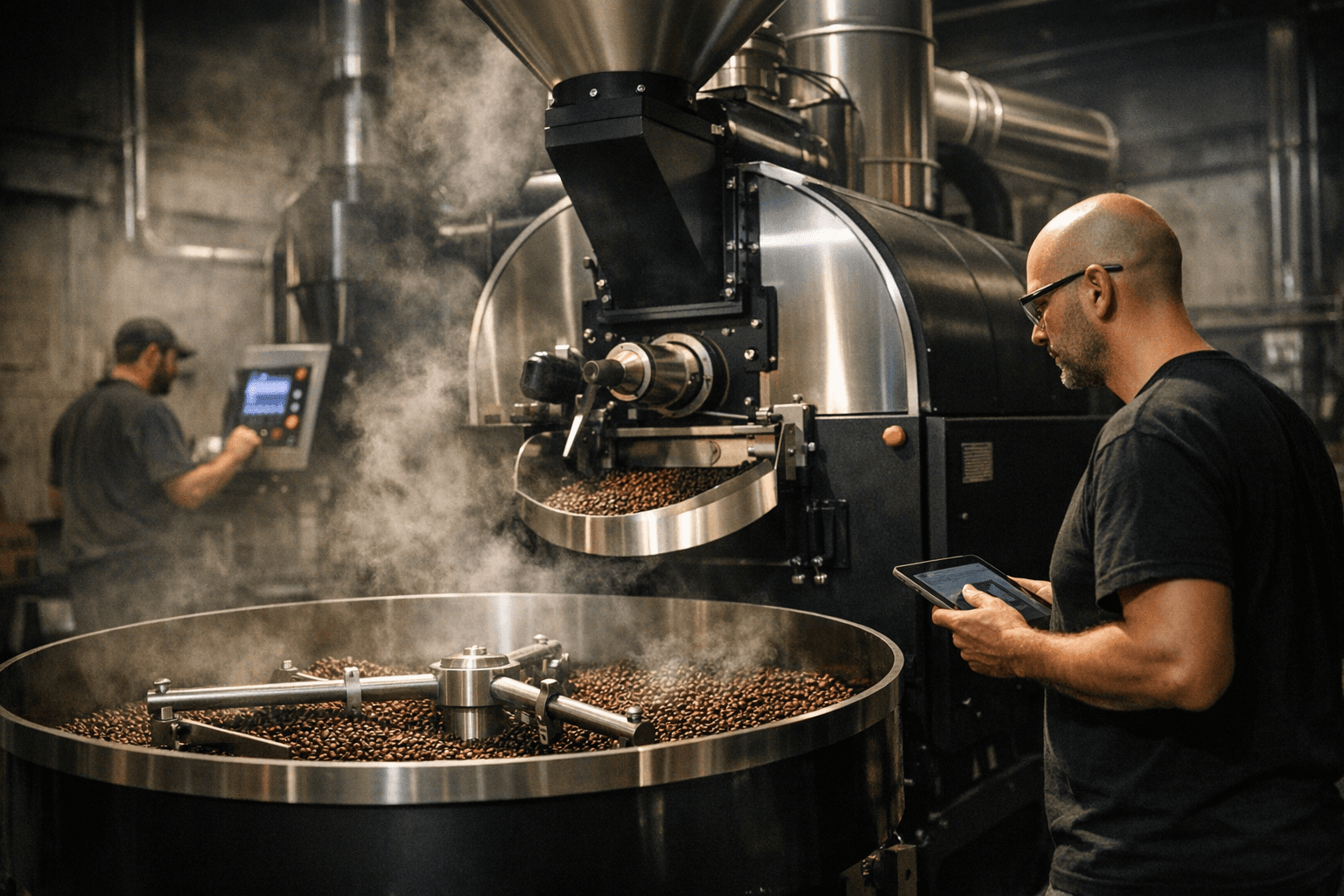
Operational impacts extend beyond energy sourcing. Removing gas burners reduces combustion byproducts in the roastery environment, which can improve indoor air quality and simplify aspects of ventilation and emissions reporting in some jurisdictions. For sample roasters and micro-roasteries focused on traceability and cup clarity, the elimination of flame-related variables may also reduce batch-to-batch variability tied to burner behavior.
Brambati’s product roadmap shows an interest in serving a spectrum of producers, from lab testers and micro-roasters to mid-scale commercial operations. For roasters considering the shift, the immediate tasks are site electrical assessment, exploring utility or government incentives, and trialing a sample machine to verify profile transfer. As Brambati develops larger electric models, expect more roasteries to weigh clean electrification as a practical route to reduce on-site emissions and align roasting operations with broader sustainability goals.
Know something we missed? Have a correction or additional information?
Submit a Tip