Brazil bans foie gras, setting up dispute with France
Brazil’s new foie gras ban bars sales and production, putting French gastronomy and Brazil’s trade ties under pressure. It is Latin America’s first such restriction.
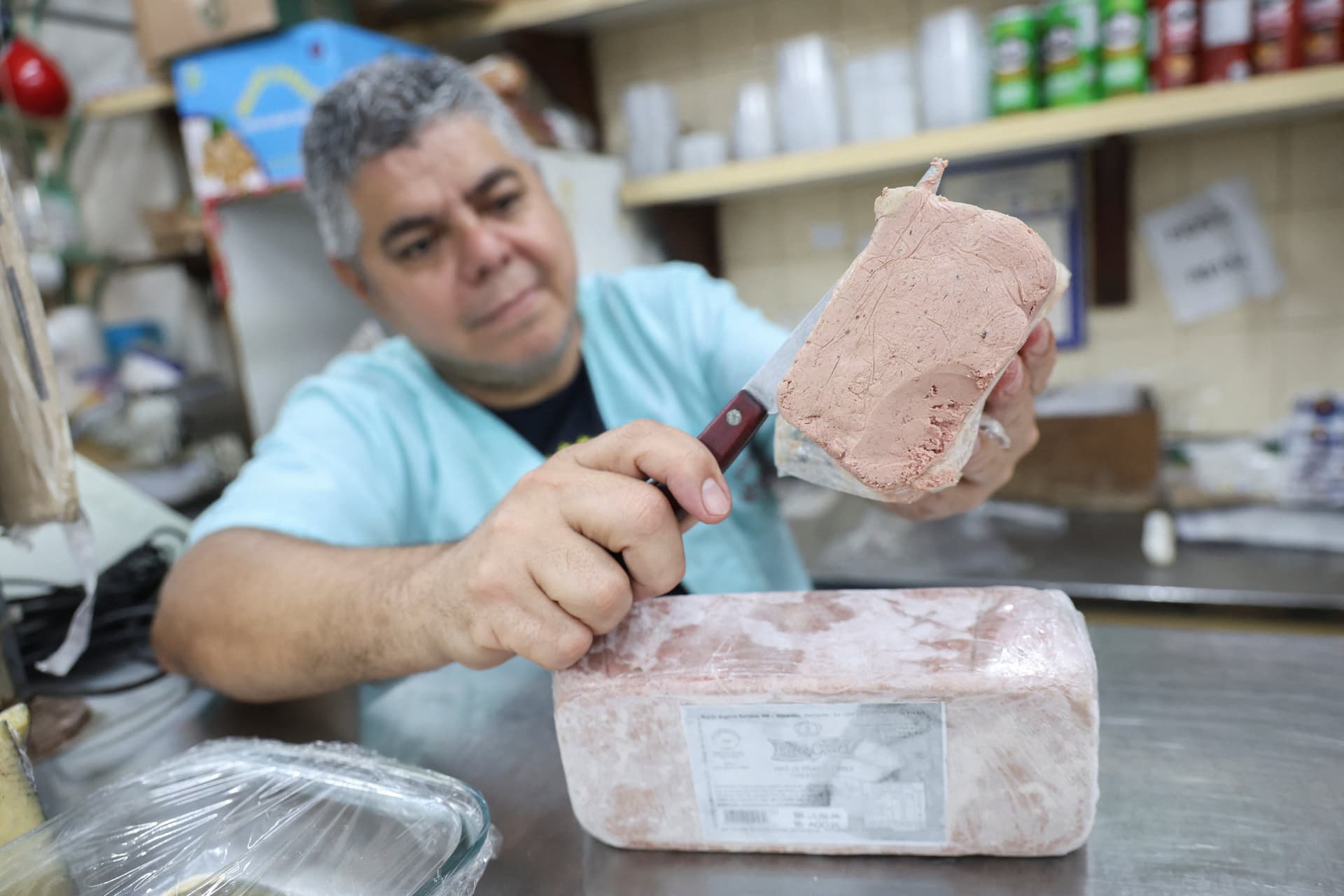
President Luiz Inacio Lula da Silva signed a law on July 24, 2026 that bans foie gras in Brazil, a move that immediately reaches into restaurant menus, specialty food retailers and the import market while opening a diplomatic rift with France. The law prohibits both the sale and production of foie gras, and a Reuters image from Rio de Janeiro showed a pâté of foie gras being weighed in a shop after Lula signed the measure.
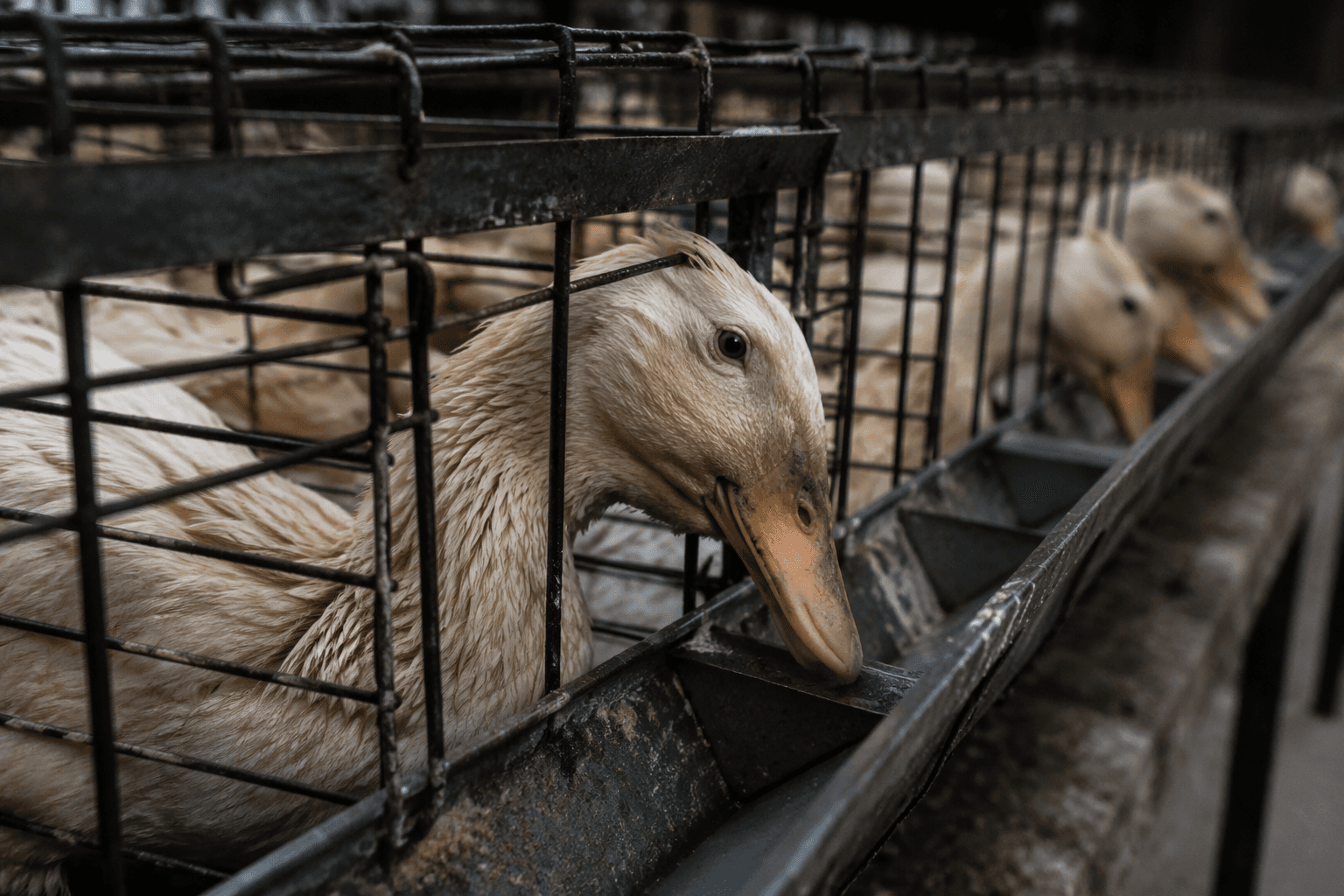
Foie gras is made from the liver of ducks or geese, and it has long been condemned by animal-welfare advocates because force-feeding is commonly used to enlarge the liver. Supporters in France have defended it as part of national heritage, which is why Brazil’s decision lands as more than a food rule: it challenges a product tied to French identity and commerce.
The political path to the ban moved quickly in 2026. Brazil’s Chamber of Deputies approved a foie gras bill in late April, and Animal Equality said on May 6 that the ban was one step away from making history in Latin America. On July 24, Animal Equality said Brazil had become the first country in Latin America to ban foie gras. That places Brazil inside a broader patchwork of restrictions on force-feeding and foie gras sales that varies significantly by region, according to Pro-Animal Future’s January 21 guide.
In practical terms, the law will force Brazilian importers, specialty retailers and restaurants to adjust what they stock and serve. The biggest immediate questions are how the ban will be enforced, whether exemptions will exist and what happens to existing inventories already in circulation. Those details will determine whether foie gras disappears from menus and shelves or remains in circulation through legal gray areas.
The measure also carries a broader signal for regulation in South America. Lula’s government has often tried to balance social-policy themes with pragmatic relations with major trading partners, and the foie gras ban shows that animal-welfare arguments can override the politics of luxury imports when lawmakers decide a product crosses the line. For France, which has long defended foie gras as part of its culinary heritage, Brazil’s decision turns a niche food dispute into a test of trade sensitivity and diplomatic patience.
This article was produced by Prism’s automated news system from verified source data, official records, and press releases, then run through automated quality and moderation checks before publishing. The system is built and supervised by the people who set the standards it runs under. Read our full AI policy.
Did this article answer your question?