Brazil Coffee Shipments Fall 21% in 2025 as Revenue Reaches Record $15.6B
Brazil's coffee shipments fell about 21% in 2025 to roughly 40.04 million 60-kg bags, while export revenue reached a record US$15.586 billion as higher prices offset lower volumes.
Brazil's coffee exporters shipped markedly less green coffee in calendar 2025, but surge in global prices pushed export revenue to an all-time high. Total shipments fell to about 40.04 million 60-kg bags, down roughly 21% from 2024, while export receipts climbed to approximately US$15.586 billion, an increase of about 24% year-on-year. The Brazilian Coffee Exporters Council (Cecafé) published the update on January 19, 2026 and noted that shipments reached more than 120 destinations during the year.
For roasters, traders, and café operators, the headline is simple: tighter supply but stronger dollar returns for exporters. Lower volumes mean some green-bean lots will be harder to secure through the year, especially for buyers who rely on steady container flows and predictable harvest timing. At the same time, higher average global prices translate to greater pressure on input costs for roasters and retailers, which can filter through to retail menu prices and margins.
Cecafé linked the mixed results to robust international pricing and continued investment in quality. That combination helps explain how revenue rose even as physical exports declined: buyers paid more per bag, and Brazil continued to push higher-grade lots into global markets. For the specialty community, this signals persistent demand for differentiated origins and quality-driven premiums; for commodity buyers, it signals ongoing price volatility that calls for careful contract management.
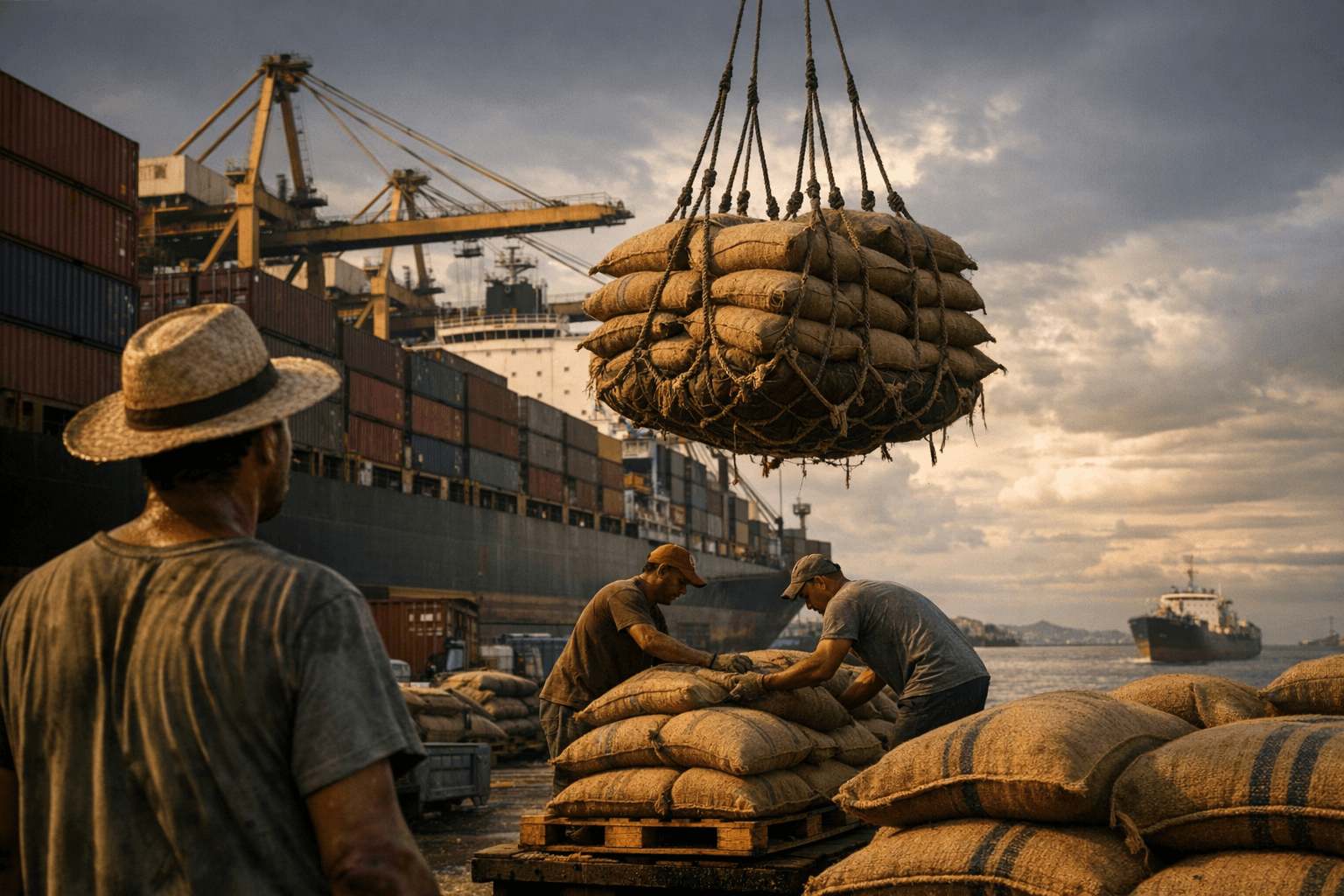
Community-level impacts extend beyond trading desks. Export revenue at record levels can support the supply chain from export houses to logistics providers, while lower shipment volumes may strain workers and transport capacity during peak windows. Practically, buyers should expect more competition for sought-after lots, consider expanding lead times, and review hedging and forward-purchase strategies to smooth cost exposure. Sellers and cooperatives can highlight quality investments when negotiating origin premiums.
Logistics and destinations also matter: with shipments serving over 120 destinations, Brazil's market reach remains broad. This geographic diversity cushions some regional demand shocks but also requires exporters and importers to coordinate shipping schedules, customs paperwork, and quality assurance across many ports and buyers.
What comes next is a close watch on crop and weather signals for the 2026 harvest, freight and container dynamics, and how long higher prices persist. For now, the takeaway is clear: the bean picture has shifted from volume-driven to price-driven, and growers, exporters, roasters, and café operators all need to adjust buying, pricing, and logistics plans to stay grounded in a tighter market.
Know something we missed? Have a correction or additional information?
Submit a Tip