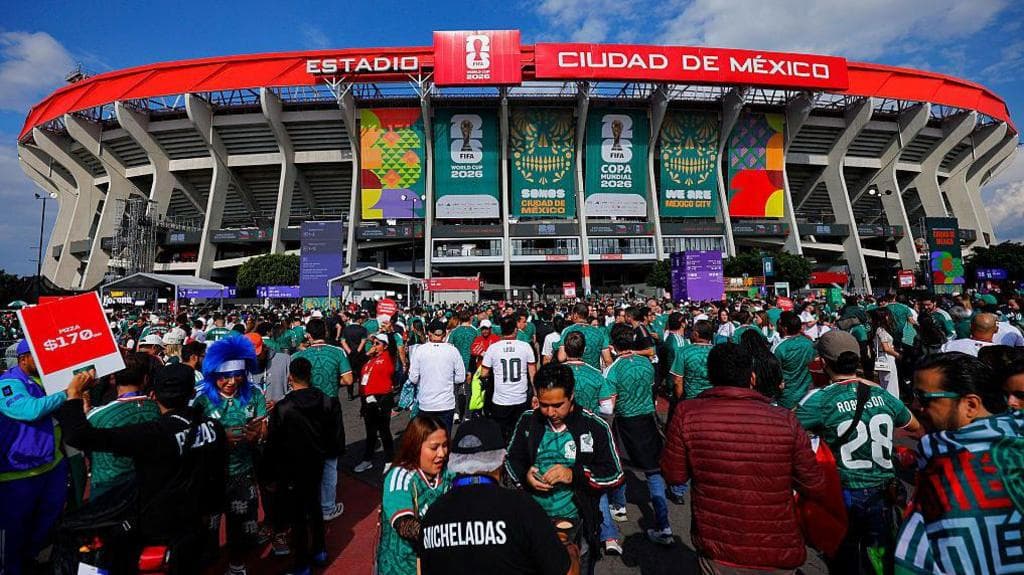
Brazilian diaspora in Japan faces split loyalties as teams meet
Japan's first win over Brazil in 2025 sharpened split loyalties in Ōizumi, where about 20% of residents were born abroad and more than half are Japanese Brazilians.
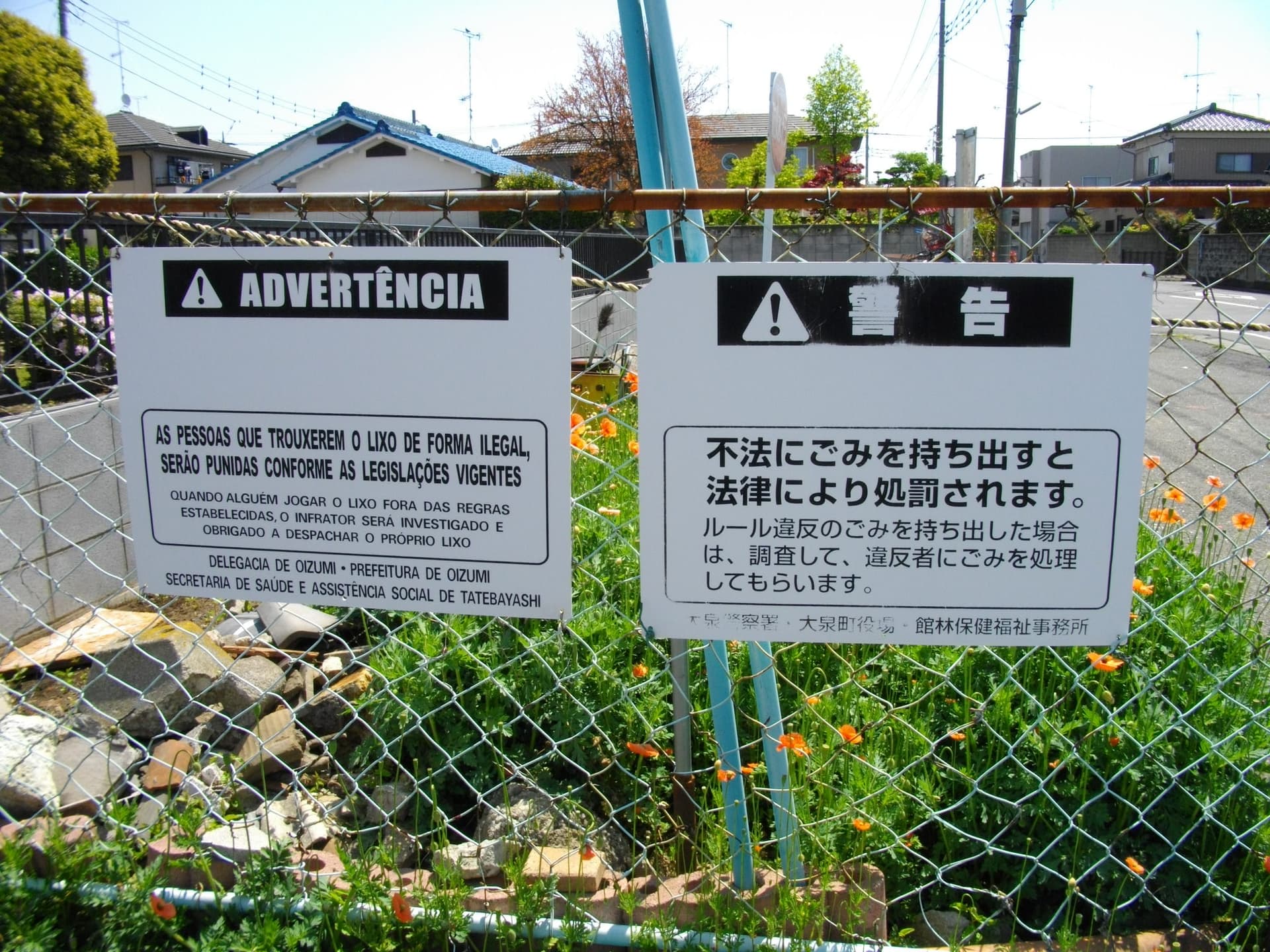
Japan’s first-ever win over Brazil, a 3-2 comeback in Tokyo in October 2025, gave fresh urgency to an old question in Japanese Brazilian neighborhoods: where does belonging land when family history pulls in two directions? In Ōizumi, Gunma Prefecture, often called Japan’s Little Brazil, that tension is visible in daily life, from Brazilian supermarkets and restaurants to bilingual signs and Portuguese spoken in ordinary errands.
The stakes are larger than one match. More than 200,000 Brazilians live in Japan, the result of a migration story that began with Japanese emigration to Brazil in 1908 and then reversed after Japan revised its immigration law in 1990. That change made it easier for many descendants of Japanese emigrants, including Brazilian Nikkei up to the third generation, to work in Japan. Labor shortages in Japan and economic hardship in Brazil accelerated the flow, turning what had been a family link into a substantial diaspora.
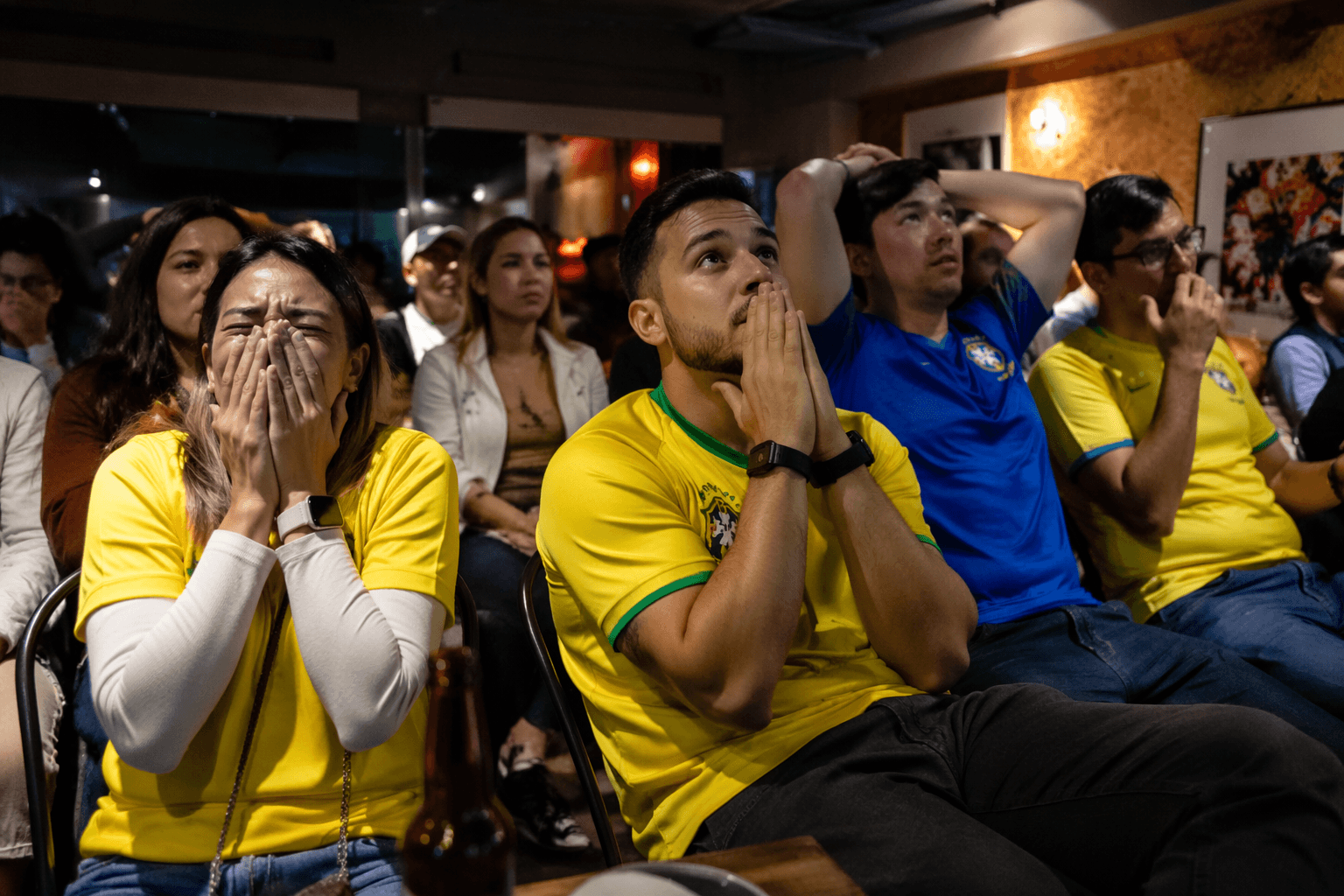
Ōizumi shows how that history settled into local communities. The town hall says about 20% of its roughly 40,000 residents were born outside Japan, and just over half of those are Japanese Brazilians. In a place like that, a World Cup or friendly is never only about the scoreboard. Brazil’s national team remains a sentimental favorite for many Brazilian residents in Japan because of family ties, language, and childhood memory, but Japan’s rise has also become part of the same story, especially for children and grandchildren growing up between two national identities.
Football itself helped build the bridge. Japan’s game has long been shaped by Brazilian influence through the J-League, where Brazilian players and coaches, including Zico, left a deep mark on the country’s football culture. That history made Japan-Brazil meetings feel personal long before Japan finally beat Brazil in October 2025. The 3-2 result in Tokyo ended a long run of Brazilian dominance and showed how the rivalry has shifted from a fixed hierarchy into a contest with real emotional weight on both sides.
Japan’s official population tables, compiled through the Immigration Services Agency and tracked by nationality, residence status, and prefecture, have made the Brazilian presence increasingly visible in public data as well as on the street. In Ōizumi, that visibility is lived out in shopfronts, school life, and family histories that move between Brazil and Japan without fully settling in either place.
This article was produced by Prism’s automated news system from verified source data, official records, and press releases, then run through automated quality and moderation checks before publishing. The system is built and supervised by the people who set the standards it runs under. Read our full AI policy.
Did this article answer your question?