Brexit still reshapes British politics a decade after referendum
A decade after the EU vote, Reform's rise and the collapse of Conservative-Labour dominance show Brexit's political fault lines still running through Westminster.
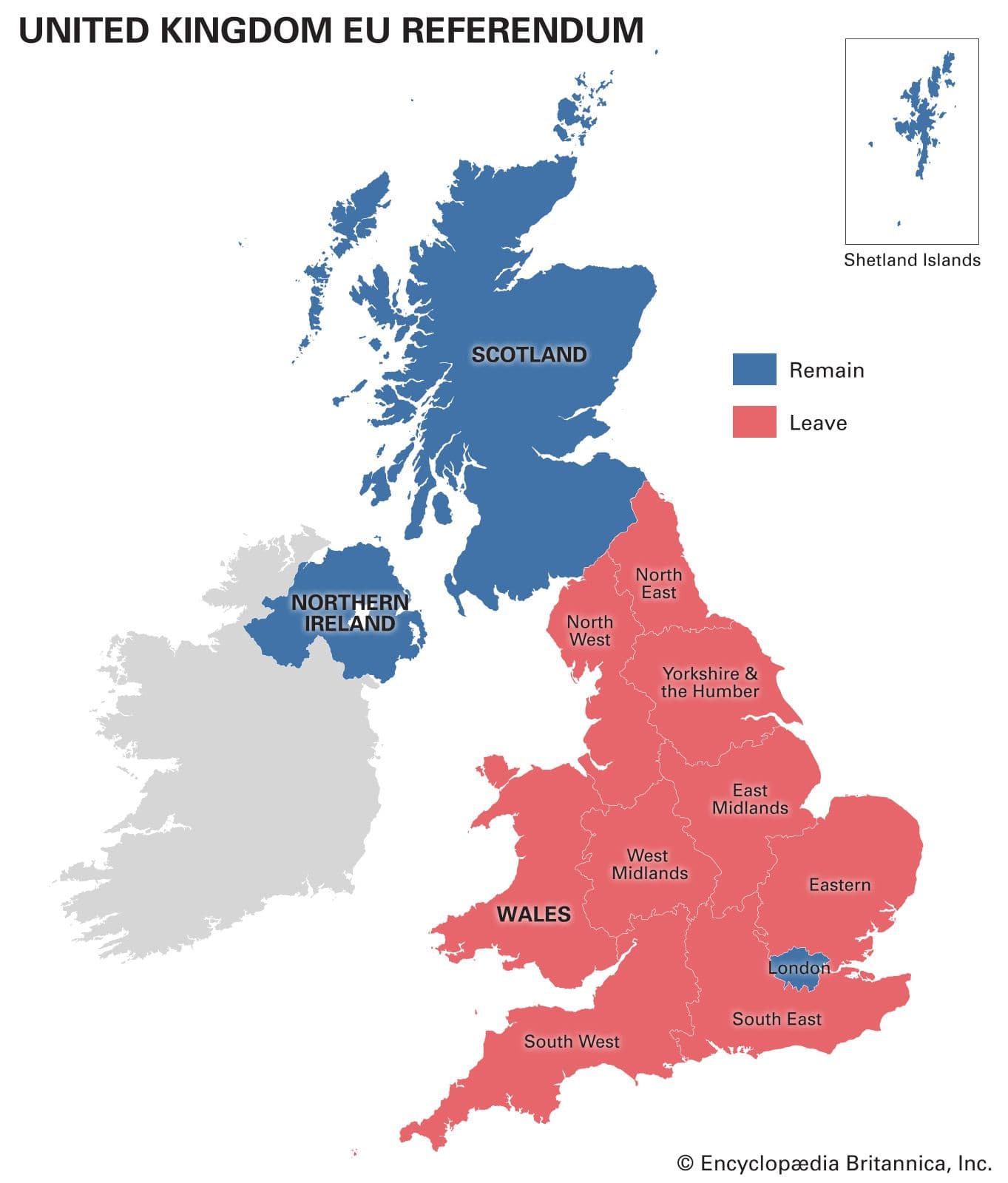
Brexit did more than take Britain out of the European Union. It broke the assumptions that had governed Westminster for generations, and the damage is still visible in party loyalties, seat counts and voting intention a decade later.
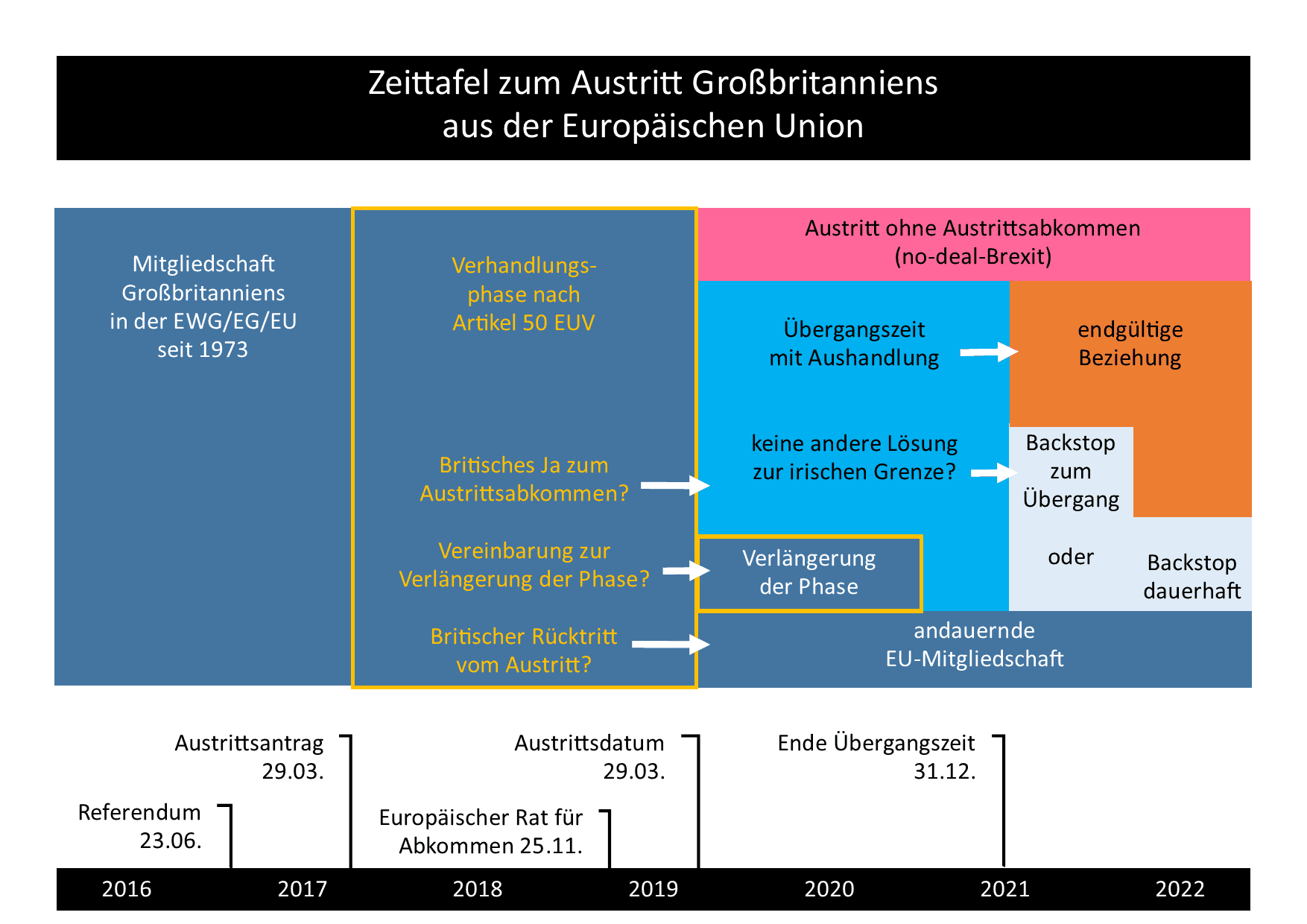
The rupture began with the 23 June 2016 referendum, when the United Kingdom voted 17,410,742 to 16,141,241 to leave the EU, a 52%-48% result on 72.2% turnout. The Electoral Commission later said 33,577,342 votes were cast from an electorate of 46,500,001, after a campaign fought under special referendum rules that drew intense spending and scrutiny. David Cameron, who called the vote but campaigned to remain, resigned the day after the result.
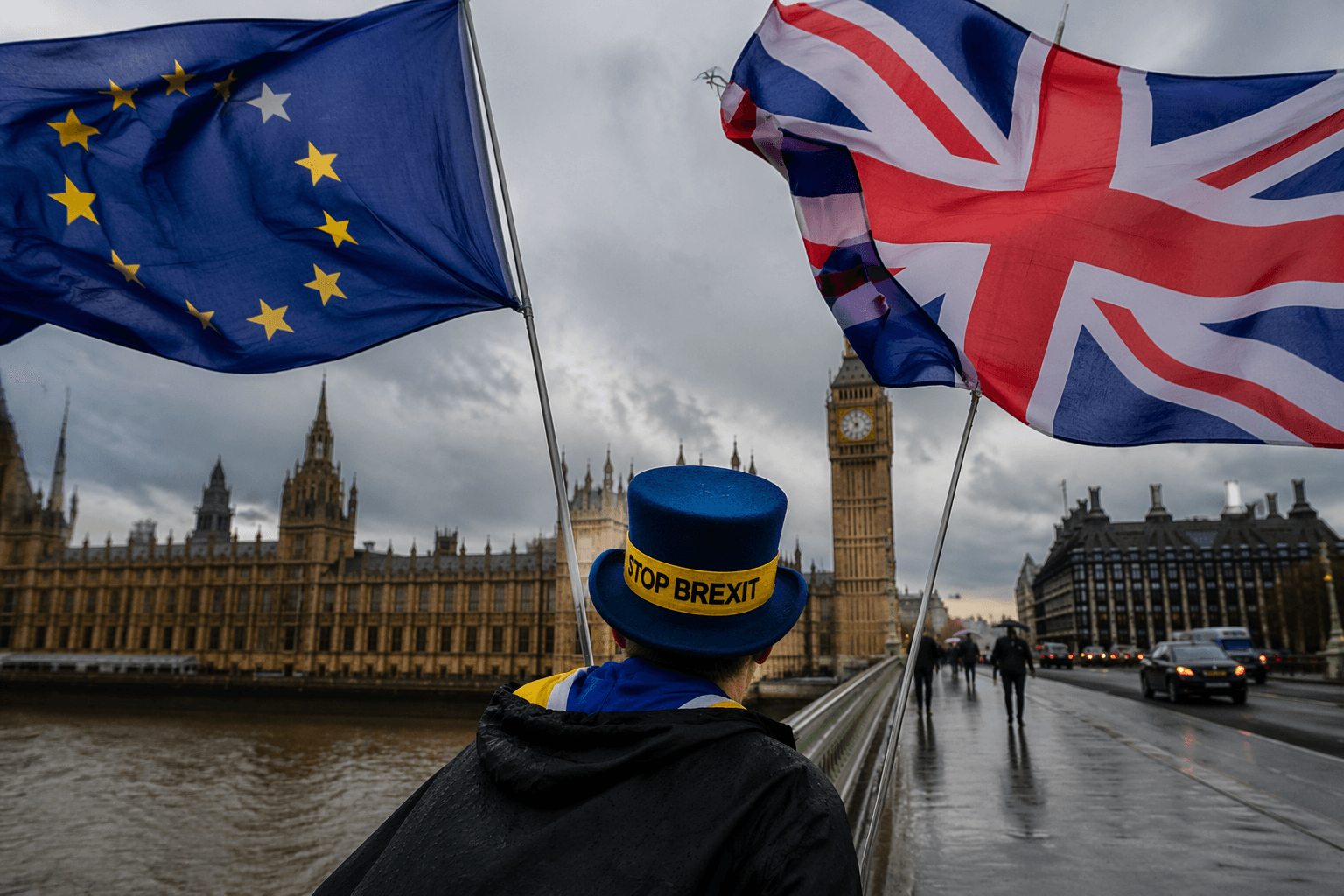
What followed was not a one-off political shock but a long realignment. Britain had spent more than four decades inside the European project before the referendum exposed deep divisions over sovereignty, identity and class loyalty. Those divisions did not fade after Brexit was formally delivered. Instead, they helped loosen the old Conservative-Labour duopoly and made room for parties that had once been peripheral to the national contest.
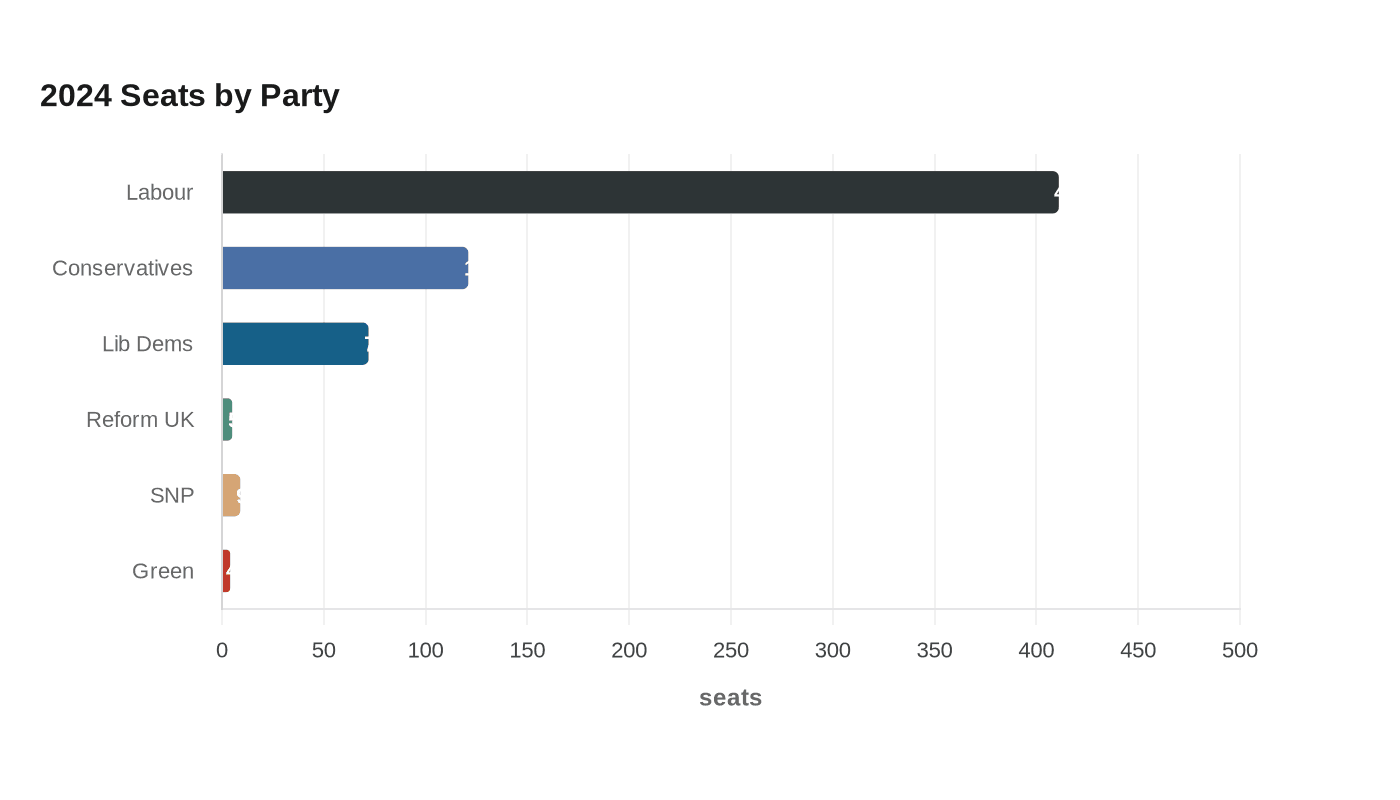
The 2024 general election made that fragmentation plain. Labour won 411 seats, the Conservatives 121, the Liberal Democrats 72, the Scottish National Party nine and the Green Party of England and Wales four. Reform UK won just five seats, but it took 4,117,620 votes, or 14.29% of the national total, a striking mismatch between support and representation that underscored the pressure on Britain’s first-past-the-post system.
The wider picture was even more telling. The 2024 electorate stood at 48,224,212, with 28,809,340 valid votes and 116,253 invalid votes. Reform’s vote share showed that a large bloc of voters had moved well beyond the traditional parties, even if the electoral map had not yet fully translated that shift into seats. By 2026, several polls had put Reform first in national voting intention, with Labour and the Conservatives both stuck in the high teens or low 20s.
That polling has reinforced a stark conclusion: Brexit did not simply reorder Britain’s place in Europe, it unsettled the country’s governing system. The United Kingdom is now about to get its seventh prime minister since the referendum, a measure of how thoroughly the old political settlement has been shaken.
This article was produced by Prism’s automated news system from verified source data, official records, and press releases, then run through automated quality and moderation checks before publishing. The system is built and supervised by the people who set the standards it runs under. Read our full AI policy.
Know something we missed? Have a correction or additional information?
Submit a Tip