Britain begins review of Paramount Skydance's $110 billion Warner deal
Britain’s competition watchdog has put Paramount Skydance’s $110 billion Warner bid under formal review, with an August 7 deadline to decide whether it deepens the case.

Britain’s competition regulator has moved Paramount Skydance’s $110 billion bid for Warner Bros. Discovery into formal review, putting a fresh timetable on one of the most closely watched media mergers in years. The Competition and Markets Authority opened the case on April 13 and said on June 9 that it had formally launched its phase 1 inquiry, with a decision due by August 7 on whether to clear the deal or send it to a deeper probe.
The transaction was announced on February 27, when Paramount Skydance and Warner Bros. Discovery signed a definitive merger agreement. Under the terms, Paramount said it would pay $31.00 a share in cash for all outstanding Warner Bros. Discovery shares, valuing the company at about $110 billion on an enterprise basis. Paramount has said it expects to close in the third quarter of 2026, but only if regulators approve the deal and Warner Bros. Discovery shareholders vote in favor.
For the CMA, the issue is not simply the size of the combination. The regulator has classified the case in the communications sector and said it is assessing whether the acquisition could substantially lessen competition in UK markets for goods or services. That puts the spotlight on how much power a merged Paramount Skydance and Warner Bros. Discovery could wield across film libraries, streaming distribution, television programming and the broader bargaining table with advertisers and distributors.
The strategic logic behind the merger is obvious. Paramount said the combined company would own franchises including Game of Thrones, Mission Impossible, Harry Potter, Top Gun, the DC Universe and SpongeBob SquarePants, and would commit to producing at least 30 theatrical films a year. But the same scale that could strengthen the business also sharpens the competition questions now facing regulators in Britain and beyond, especially in a sector where legacy media companies are under pressure to bulk up.
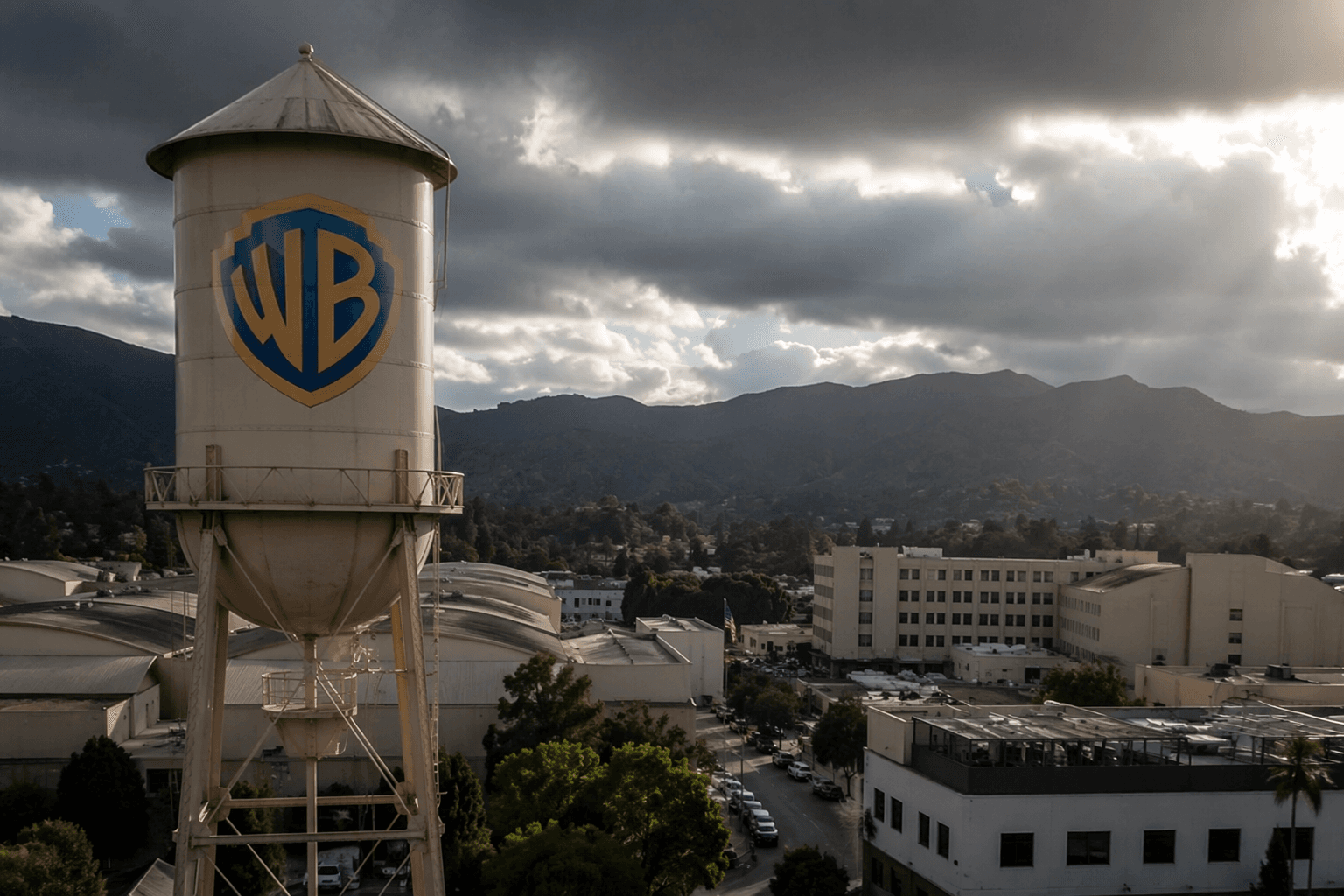
The British review lands as opposition to the deal widens. In April, more than 1,000 Hollywood professionals, including Jane Fonda, Joaquin Phoenix, Ben Stiller, Kristen Stewart, JJ Abrams, Damon Lindelof, David Fincher and Denis Villeneuve, signed an open letter warning that the merger would shrink competition and threaten the creative community. In early June, California, New York and roughly 10 other U.S. states were preparing an antitrust lawsuit to block the transaction, while Institutional Shareholder Services urged Warner Bros. Discovery investors to reject executive pay and exit packages tied to the merger.
With London now formally in the mix, the deal faces another test of whether a bigger media company would simply create scale or instead concentrate too much power over content, streaming leverage and negotiating strength. The August 7 deadline will show how aggressively Britain intends to press that question.
This article was produced by Prism’s automated news system from verified source data, official records, and press releases, then run through automated quality and moderation checks before publishing. The system is built and supervised by the people who set the standards it runs under. Read our full AI policy.
Know something we missed? Have a correction or additional information?
Submit a Tip