Britain weighs charging asylum seekers for accommodation and living costs
Britain may make asylum seekers repay about £10,000 for shelter and basic support before they can seek settlement. The move would turn asylum into a debt-tested path to permanence.
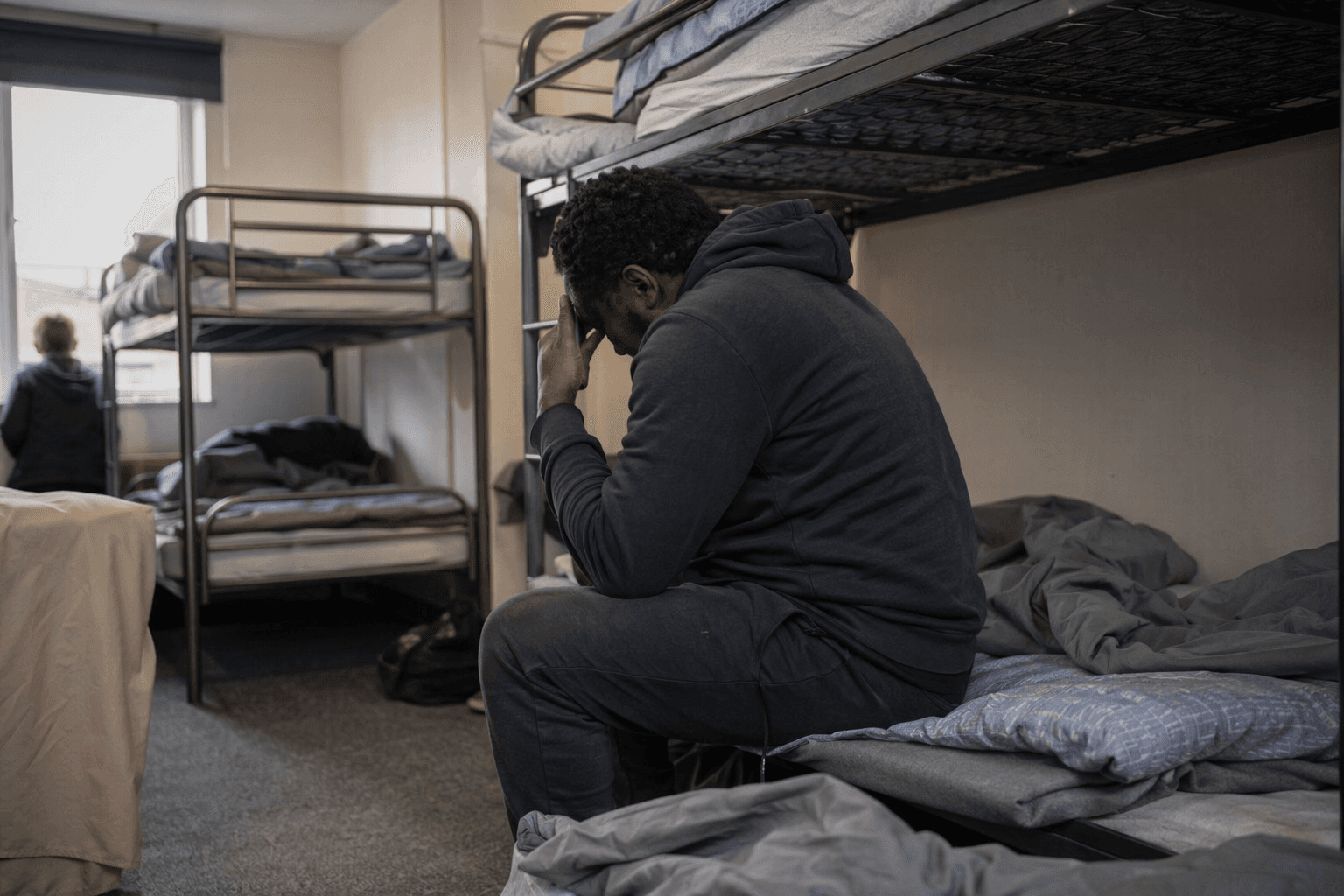
Britain’s government said on June 29 that asylum seekers could be required to repay roughly £10,000 for accommodation and basic living support before they become eligible to apply for settlement. The proposal would make permanence in the UK depend not only on a successful asylum claim, but on whether an applicant can later clear a state-imposed bill for the support that kept them housed while they waited.
Interior minister Shabana Mahmood said the reforms were intended to reduce the burden on taxpayers and to stress both rights and responsibilities. Under the proposal, only adults who can afford to pay would be charged, children would be exempt, and the measure would not be applied retroactively. The government said safeguards would be in place so people are not pushed into destitution, but the practical effect is clear: asylum seekers who receive state support could leave the process owing money before they can even ask for settlement.
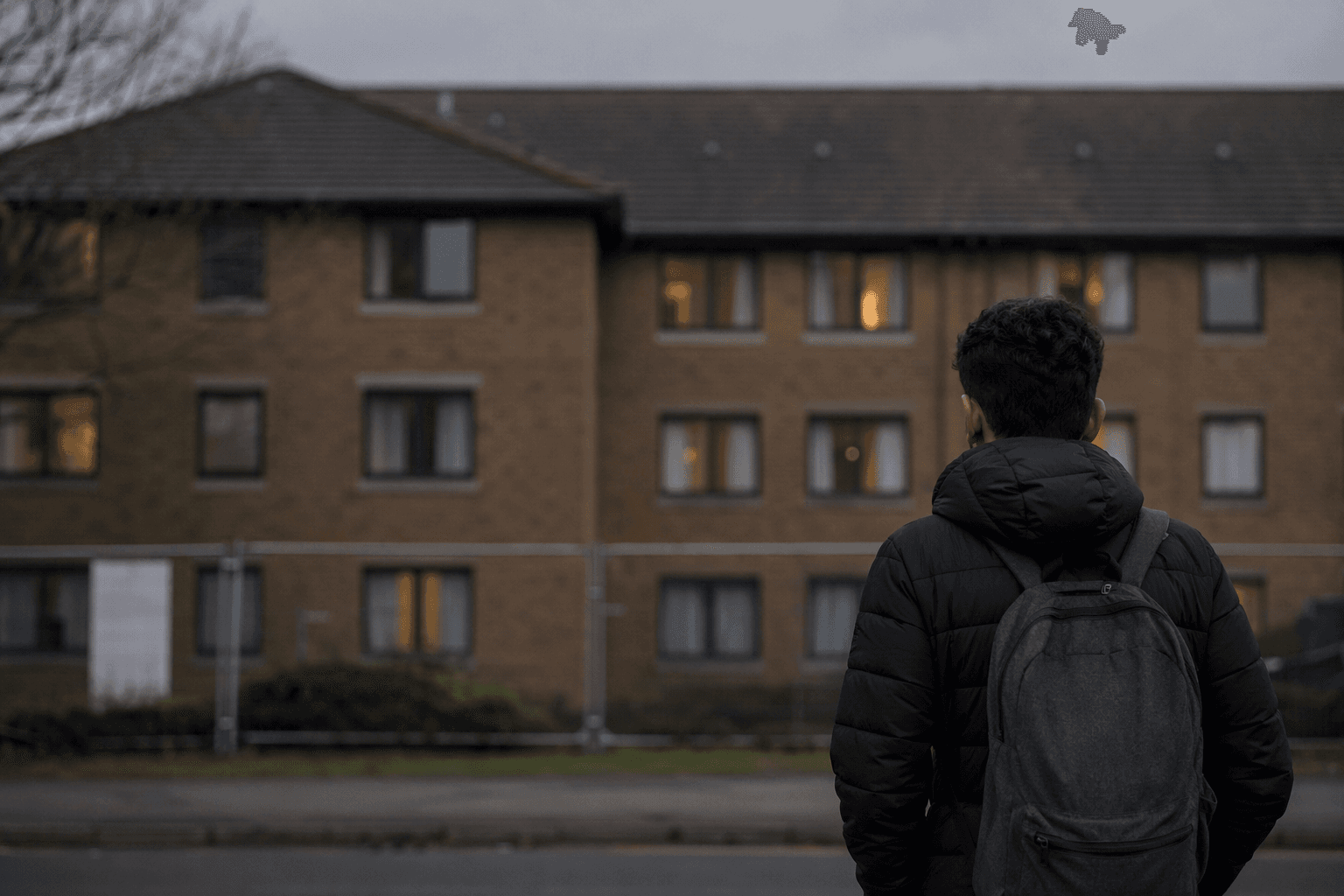
The charging plan lands in a system that already provides limited cash and tightly controlled accommodation. The Home Office currently gives asylum seekers in supported accommodation £49.18 a week in self-catered housing, or £9.95 if meals are provided. London City Hall says that accommodation is normally no-choice, meaning people can be placed anywhere in the UK. That makes the new proposal more than a fee on paper; it would sit atop a dispersal system that already moves applicants far from their own networks.
The fiscal case is built on large and rising costs. The Independent Commission for Aid Impact said UK spending on refugees and asylum seekers reached £4.3 billion in 2023. Home Office costing work has used an assumption of about £120 per person per night for accommodation and support, while Reuters reported that accommodation alone can run about £23.25 per person per night in temporary housing or about £144 in hotels. The Home Office has also said the support system is expensive enough to justify tighter controls.
Mahmood’s move follows a broader tightening already underway. In November 2025, she proposed making refugee status temporary and stretching the path to permanent settlement to 20 years from a previous five-year route. In March 2026, the Home Office launched a separate pilot offering some failed asylum seekers £10,000 each, capped at £40,000 for families, if they agreed to leave voluntarily. Together, the measures show a strategy aimed at deterring arrivals, narrowing long-term rights and making departure, not settlement, the default pressure point.
The politics around the plan are combustible. Immigration remains one of the most contested issues in British politics, and Nigel Farage’s Reform UK has promised large-scale deportations of asylum seekers. Charities including the Refugee Council, Freedom from Torture and Refugee Action have already called Mahmood’s asylum overhaul “cruel and unworkable.” Since migrants need Indefinite Leave to Remain to live, work and study permanently in the UK, the new charge would insert a financial gate between state protection and full membership in British civic life.
This article was produced by Prism’s automated news system from verified source data, official records, and press releases, then run through automated quality and moderation checks before publishing. The system is built and supervised by the people who set the standards it runs under. Read our full AI policy.
Did this article answer your question?

