Britain's defence secretary resigns over military spending dispute
John Healey quit after a budget clash exposed whether Keir Starmer will fund Britain’s shift to warfighting readiness before the NATO summit.
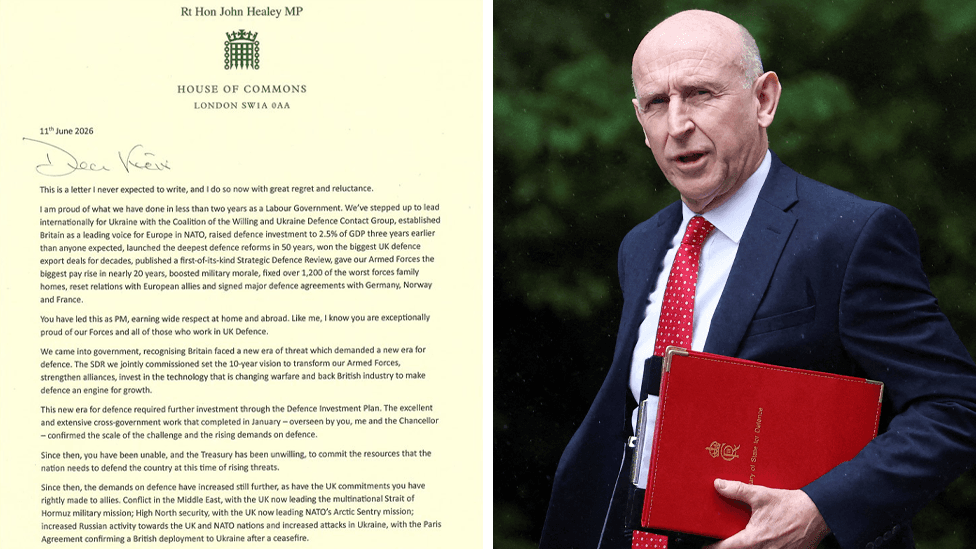
John Healey’s resignation on June 11 exposed a deeper rupture in Keir Starmer’s government: whether Britain will actually fund the military expansion it has promised as Europe faces its harshest security environment in decades. Healey told the prime minister that the government had failed to commit the resources needed to defend the country, saying the Treasury was unwilling to make the investment required as threats mount.
The departure matters far beyond Westminster intrigue. It lands while the Defence Investment Plan remains delayed after months of budget warfare between the defence and finance ministries, even though the plan is supposed to spell out the equipment and procurement needed to move the armed forces toward “warfighting readiness.” Starmer has said it will be published before the NATO summit in The Hague beginning on July 7, only adding pressure to a document already pushed back from last year.

At stake is whether the United Kingdom can match the ambitions of its 2025 Strategic Defence Review, which accepted all 62 recommendations and set out a sweeping shift to stronger homeland defence, a “NATO first” posture and a 10-year transformation of the armed forces. That review called for a Defence Infrastructure Recapitalisation Plan by February 2026, underscoring how far the investment timetable has slipped. It also warned that Russia is waging war on the continent and probing British defences at home, a judgment sharpened by frequent Russian incursions into British waters and the growing view inside military circles that Europe can no longer rely on the United States in the same way.
The fiscal fight is acute because Starmer’s government is trying to reduce debt while the tax burden remains at its highest level in decades. Starmer has said the United Kingdom aims to raise defence spending to 2.5% of GDP by 2027 and to 3% when fiscal and political conditions allow, but Healey’s exit shows how fragile that path has become. British officials and military leaders want the investment plan to lock in funding for readiness, resilience and replacement of ageing capabilities, not just new kit.
Healey’s resignation also deepens the political pressure on Starmer. Reuters-linked reporting said the prime minister is already under strain from within Labour, with talk of a possible leadership challenge after earlier turmoil, including Wes Streeting’s resignation as health minister in May and the emergence of Andy Burnham as a potential challenger. The result is a cabinet-level warning that Britain’s defence posture, and Starmer’s credibility as its guarantor, now depend on whether the Treasury can be forced to pay for the strategy the government has already endorsed.
This article was produced by Prism’s automated news system from verified source data, official records, and press releases, then run through automated quality and moderation checks before publishing. The system is built and supervised by the people who set the standards it runs under. Read our full AI policy.
Did this article answer your question?

