Britain's science links with Europe slowly heal after Brexit damage
Britain’s EU science comeback is real, but the deeper loss is harder to fix: the networks, mobility and trust that Brexit fractured.
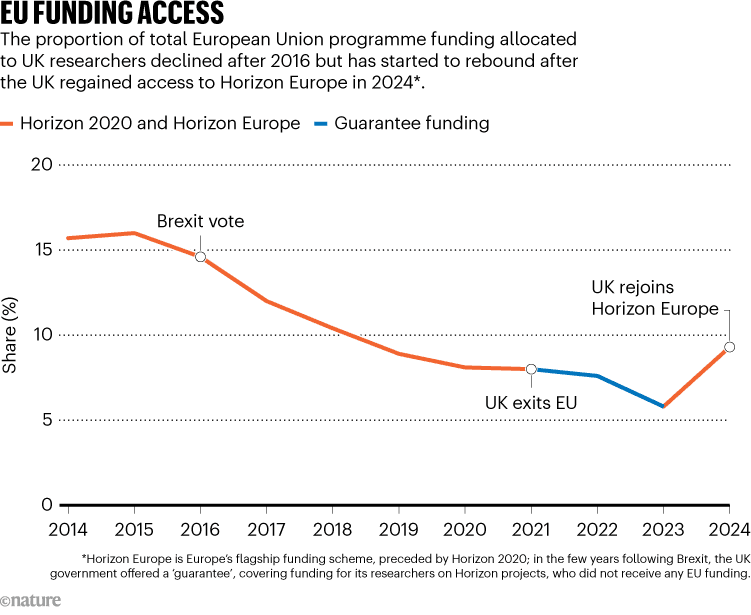
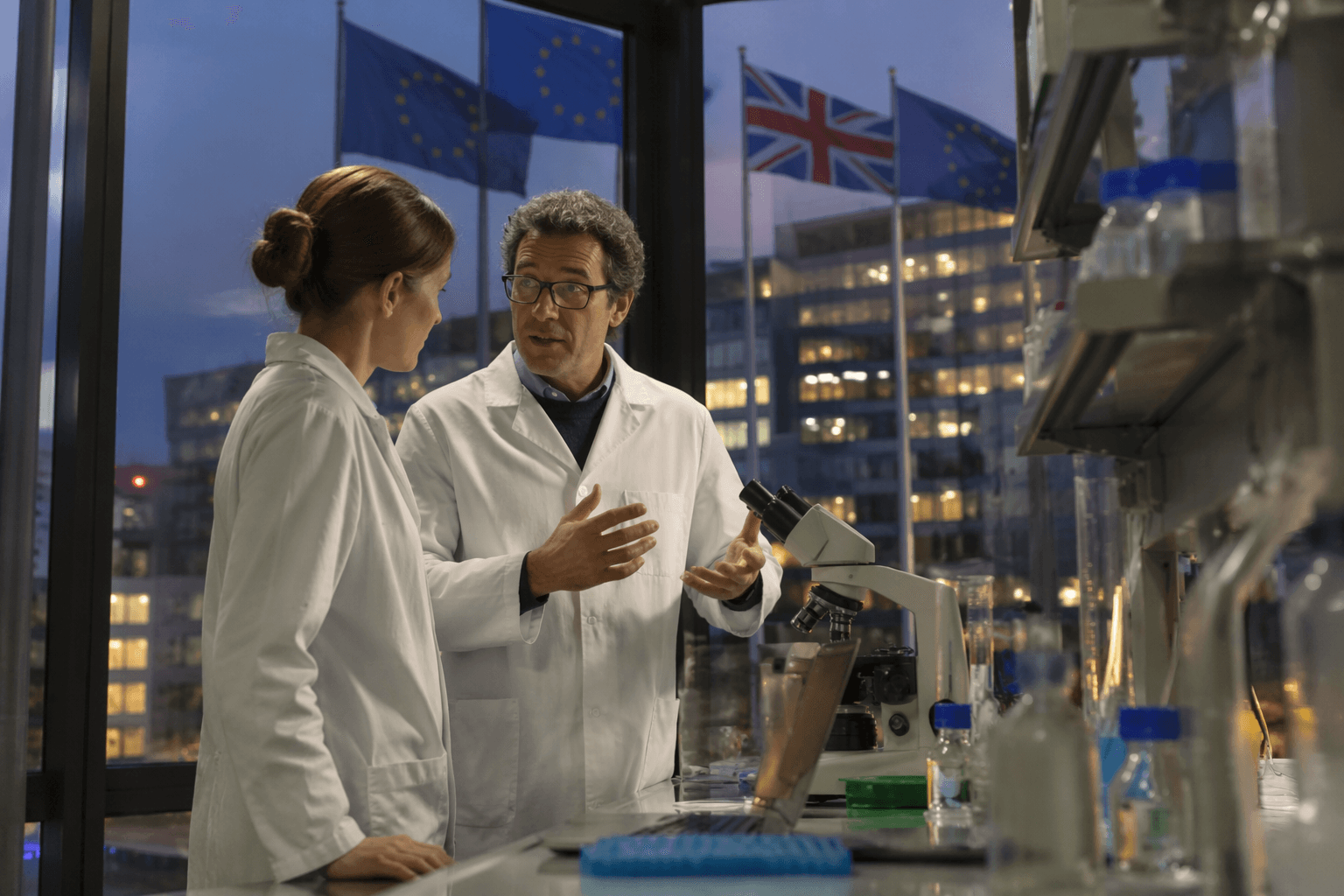
Ten years after Britain voted to leave the European Union, the repair bill for British science is still visible. The UK is winning back more European research money, but the damage to collaboration, mobility and long-built networks has proved much harder to reverse.
The clearest sign of recovery came after the UK formally associated to Horizon Europe on 1 January 2024. Universities UK International said 2024 was the first year since 2016 to show a clear improvement in the number of research awards, projects and funding won by UK organisations, ending a long downward trend in participation and funding capture. UUKi said universities accounted for 67% of all UK participations in Horizon Europe in 2024, up from 65% at the end of Horizon 2020.
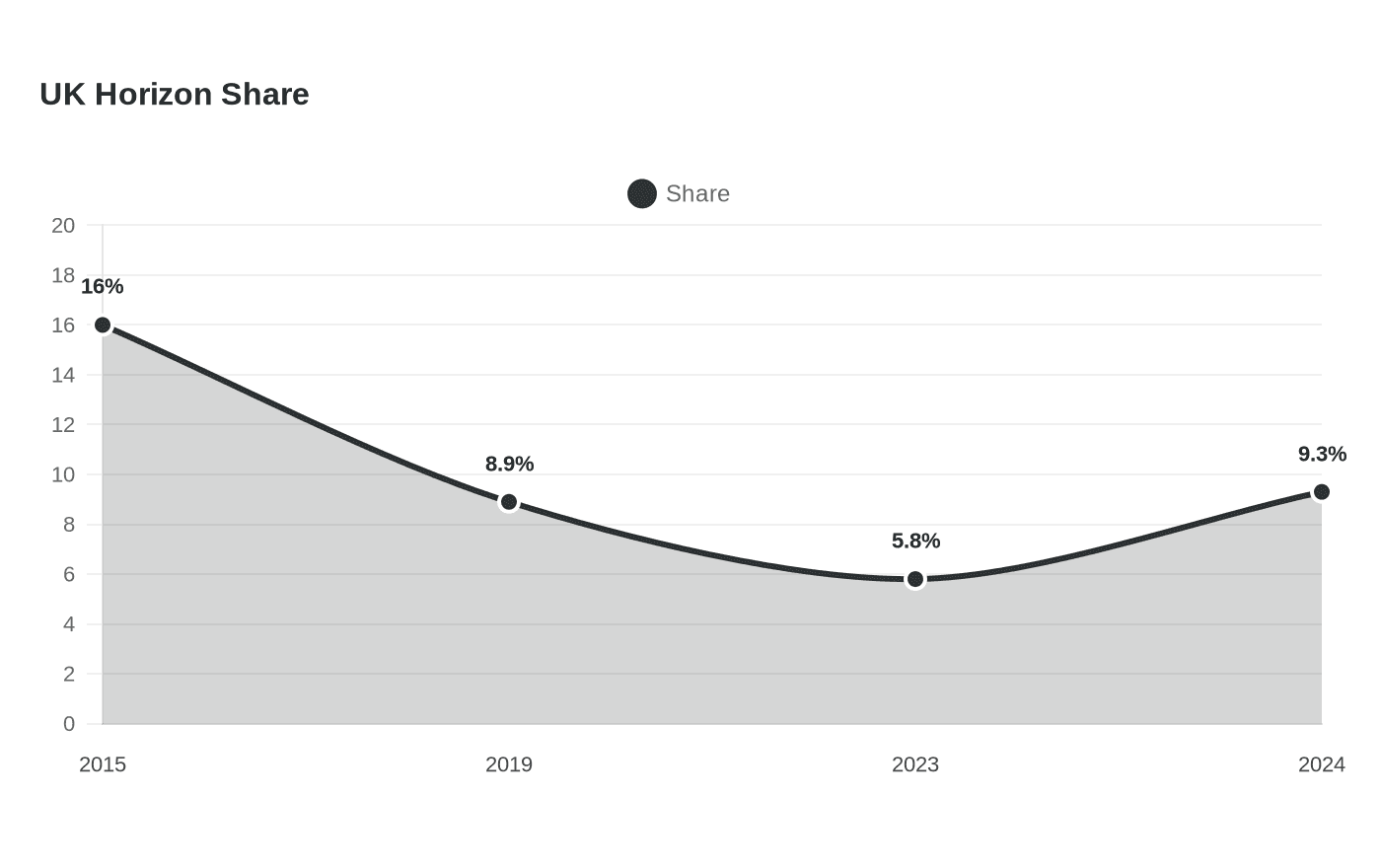
The funding numbers point in the same direction, but they also show how far the UK still has to climb. Research Professional News put the UK’s overall Horizon share at 9.3% in 2024, up from a nadir of 5.8% in 2023 and above the 8.9% share seen in 2019, but still well below the 16% recorded in 2015. UUKi also said the UK’s Pillar I funding share rose from 8% to nearly 14% between 2023 and 2024, a sharper rebound than in the more collaborative Pillars II and III, where rebuilding cross-border consortia takes longer.
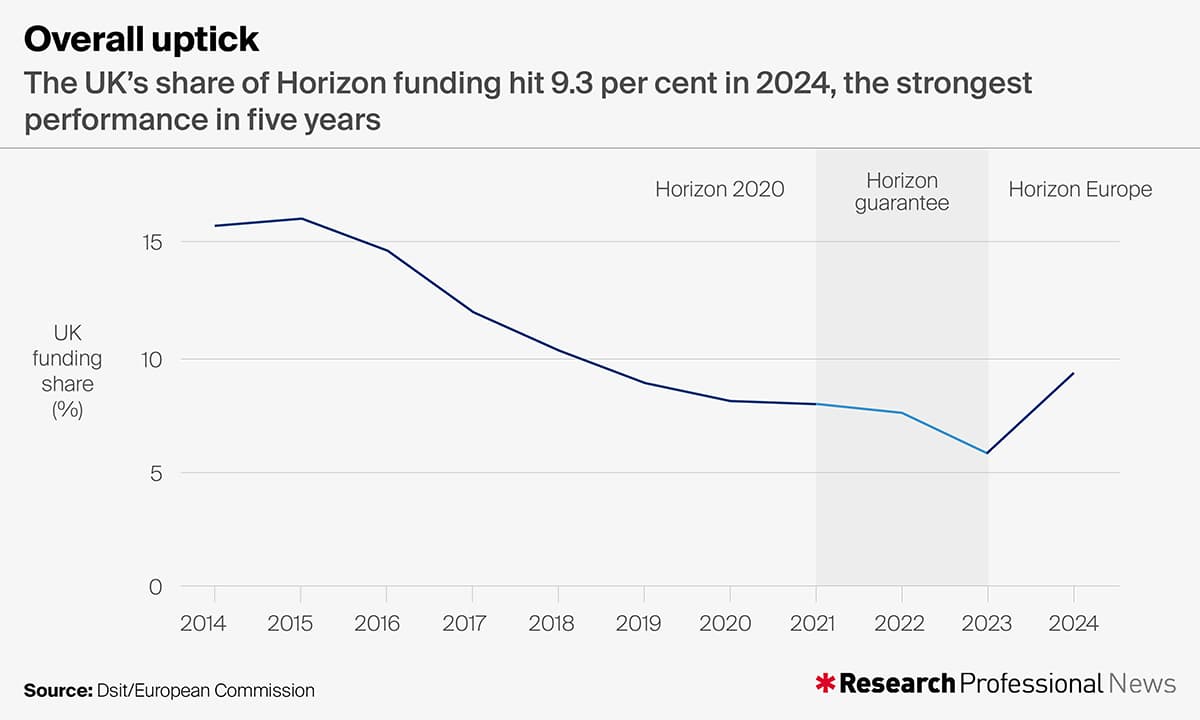
That distinction matters because Brexit did more than interrupt a grant stream. During the 2021 to 2023 period, when the UK was not fully associated, the government relied on a Horizon Europe guarantee scheme to support successful applicants, and UK Research and Innovation says the guarantee applied to successful UK applicants from the 2021, 2022 and 2023 work programmes. The scheme kept projects alive, but it did not restore the habits of cooperation that make multinational science routine.
The broader political repair is only now beginning to widen. On 15 April 2026, the UK and EU signed legal text in Brussels to bring the UK into Erasmus+ in 2027, with the European Commission saying UK organisations will be placed on the same footing as EU member states and other associated countries. For British universities and institutes, that could help reopen student and staff mobility routes that feed research ties. But the long shadow of Brexit remains: money can return faster than trust, and funding shares can recover faster than the collaboration culture that once made British science central to Europe’s research system.
This article was produced by Prism’s automated news system from verified source data, official records, and press releases, then run through automated quality and moderation checks before publishing. The system is built and supervised by the people who set the standards it runs under. Read our full AI policy.
Did this article answer your question?