Britney Spears transfers ownership share of hit song catalog to Primary Wave
Britney Spears has sold her ownership share of her song catalog to Primary Wave, a move that reshapes the financial and cultural stewardship of her hits.
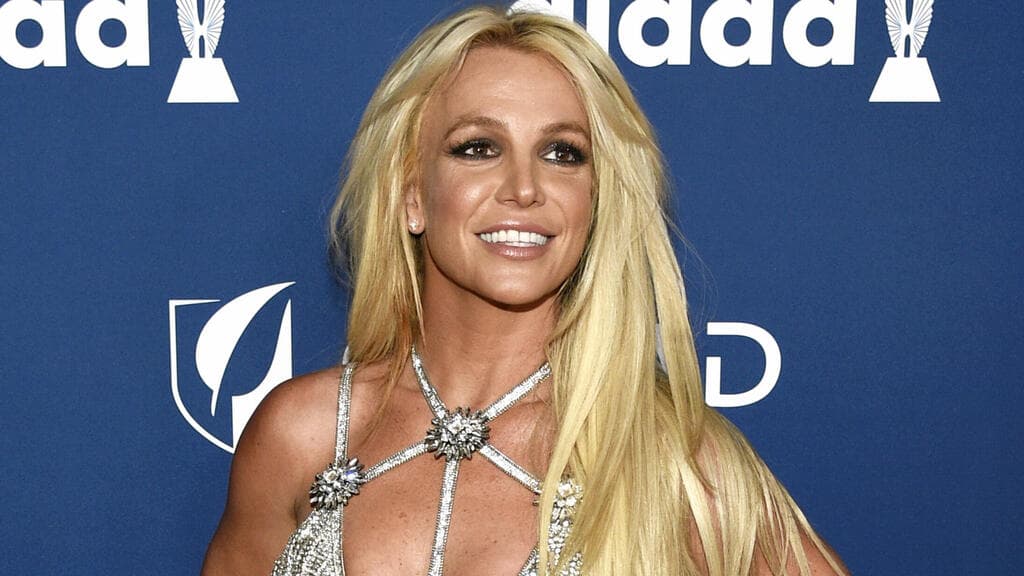
Britney Spears has sold her ownership share of her song catalog to independent publisher Primary Wave, legal documents show, transferring her stake in many of the pop era’s most recognizable singles. The agreement, executed at the end of December, cedes Spears’ ownership interest in a body of work that includes landmark tracks such as “…Baby One More Time,” “Toxic,” “Gimme More,” “Womanizer,” “Everytime” and “Oops! … I Did It Again.”
The contract reviewed by industry attorneys did not disclose a purchase price. People familiar with the transaction say the payday is in the low nine figures, with market estimates clustering near $200 million; neither Spears’ representatives nor Primary Wave confirmed financial terms. The transfer appears focused on publishing and Spears’ artist royalties and ownership shares rather than master recordings, which remain controlled by Sony Music, making this a monetization of songwriting and publishing value rather than masters-based control.
For Spears, the deal is the latest chapter in a tumultuous public career that included a long conservatorship and a candid 2023 memoir. In January 2024 she told audiences she would “never return to the music industry,” and her book described the conservatorship as having “stripped me of my womanhood [and] made me into a child.” Those statements give the catalog sale added resonance: it is both a financial settlement and a symbolic passing of stewardship over songs that shaped a generation.
Primary Wave, founded roughly two decades ago by Lawrence Mestel, has built a business model around acquiring artist catalogs and publisher stakes and exploiting them through licensing, film, television and brand partnerships. The company’s portfolio has included stakes tied to Kurt Cobain’s portion of Nirvana, estates for Notorious B.I.G., Prince and Whitney Houston, and publishing rights for Stevie Nicks. For Primary Wave, Spears’ catalog is a high-profile acquisition that expands its foothold in late-1990s and early-2000s pop, offering sync potential in streaming-era playlists, soundtracks and advertising.

The transaction highlights how the music business has shifted in recent years. Major legacy sales, ranging from multibillion-dollar moves for classic rock catalogs to nine-figure deals for contemporary pop, reflect investors’ appetite for predictable royalty streams amid a streaming economy that favors evergreen hits. For artists, selling catalog shares converts long-term royalty flows into immediate capital, often at valuations tied to projected licensing and streaming income rather than current tour or recording activity.
Culturally, the sale raises questions about control and legacy. Spears’ songs have served as personal soundtracks for millions and as cultural touchstones in conversations about fame, gender and fandom. Moving ownership from an artist to a corporate steward can unlock commercial opportunities, but it also alters who exercises creative or commercial judgment over how those songs are used. Industry analysts note such deals rarely include name and likeness rights, which would demand far higher valuations, suggesting Spears’ public image remains legally separate from the deal.
Economically, the sale secures a windfall and relieves Spears of administrative burdens tied to catalog management. Socially, it closes a chapter on an artist whose public life has been intensely scrutinized and monetized for decades. For the music industry, the transaction is another data point in the consolidation of cultural property and the professionalization of song catalogs as institutional assets to be packaged, priced and marketed for decades to come.
This article was produced by Prism’s automated news system from verified source data, official records, and press releases, then run through automated quality and moderation checks before publishing. The system is built and supervised by the people who set the standards it runs under. Read our full AI policy.
Did this article answer your question?